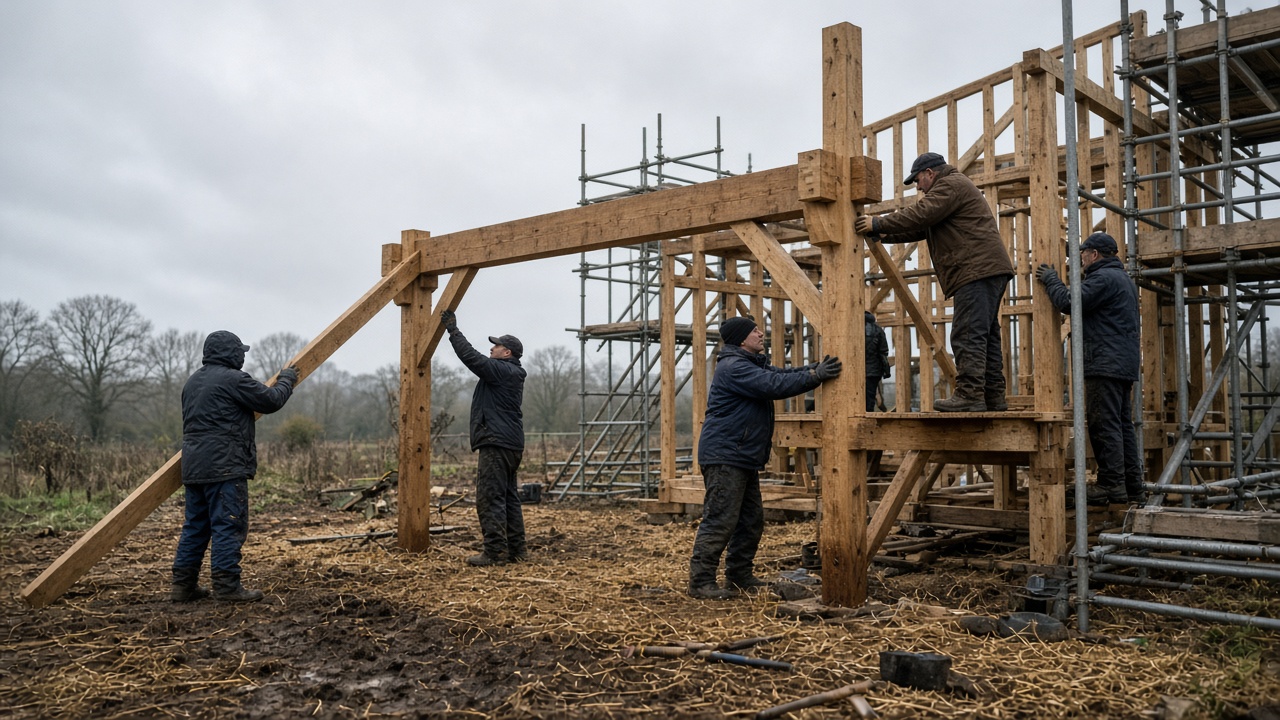
Channel 5 commissioned six additional episodes of Barnwood Builders and a Birmingham live-build special after Broadcasters’ Audience Research Board (BARB) four-week averages showed the restoration format drawing roughly 1.1 million consolidated viewers in the West Midlands—about 18 percent above the slot’s spring baseline and enough to beat several BBC One entertainment repeats in the same Tuesday 8 p.m. window, according to scheduling notes producers shared with trade press Friday and reviewed by InfoHandle. Paramount UK, which programmes Channel 5, framed the renewal as a regional bet: audiences stayed when storylines moved from Shropshire barns to urban fringe workshops where disused industrial buildings become community venues.
Who pays for what
Like most UK factual entertainment, Barnwood Builders mixes broadcaster licence fee–adjacent public-service optics with commercial inventory. Channel 5 sells mid-roll spots and product-placement adjacency around tool brands; the production company carries build materials costs on its production budget and recoups through format sales abroad. The Birmingham special adds a live element—one hour of synchronized demolition and raising—with higher insurance and scaffolding spend that only pencils out if advertisers pay a premium for “event” labeling in the Electronic Programme Guide.
Union crews on the special will work under existing PACT/FAA agreements; there is no new strike waiver. Presenters are not civil engineers; Historic England consultants sign off on structural interventions before cameras roll.
What the audience actually watched
BARB panel data—not yet public in full detail—reportedly showed uplift among adults 45–64 and strong catch-up on My5 within seven days. That pattern matches other “craft labour” formats where viewers watch for process, not cliff-hangers. Social clips of oak peg joinery outperformed personality arguments in the edit room’s engagement dashboard, which is why the recommission leans into longer workshop sequences rather than manufactured team conflict.
Heritage and planning reality
Filming in Birmingham means dealing with conservation areas and bat surveys. A disused brick works featured in the special required temporary listed-building consent; planners insisted on lime mortar samples on camera because producers had advertised “authentic methods.” If consent slips, the live date moves—a risk Channel 5 disclosed to advertisers as a force-majeure clause rather than a secret.
What changes for viewers
New episodes land weekly from November, with the Birmingham hour scheduled for early December before Christmas advertising peaks. There is no promise that every building featured will open on time; the show documents delays when steel deliveries miss slots. For West Midlands households, the practical hook is local hire: timber framers and heritage roofers listed in closing credits report inquiry spikes after broadcast—free marketing they did not budget for.
Local enterprise partnerships in the West Midlands noted the show hires apprentices from college joinery courses; two Birmingham colleges confirmed work-placement slots tied to the special, though Channel 5 does not fund tuition. That civic angle matters for councillors who see heritage tourism dollars when finished barns open as wedding venues on green-belt edges.
What is not decided is international sale timing; a Canadian network holds option rights on earlier series. For UK audiences, the takeaway is programming economics: a mid-tier channel renewed a quiet craft show because regional ratings moved, not because a streamer bought the format. If BARB numbers cool in October, episode counts could still shrink in edit; for now, the order is on paper and cameras are booked.