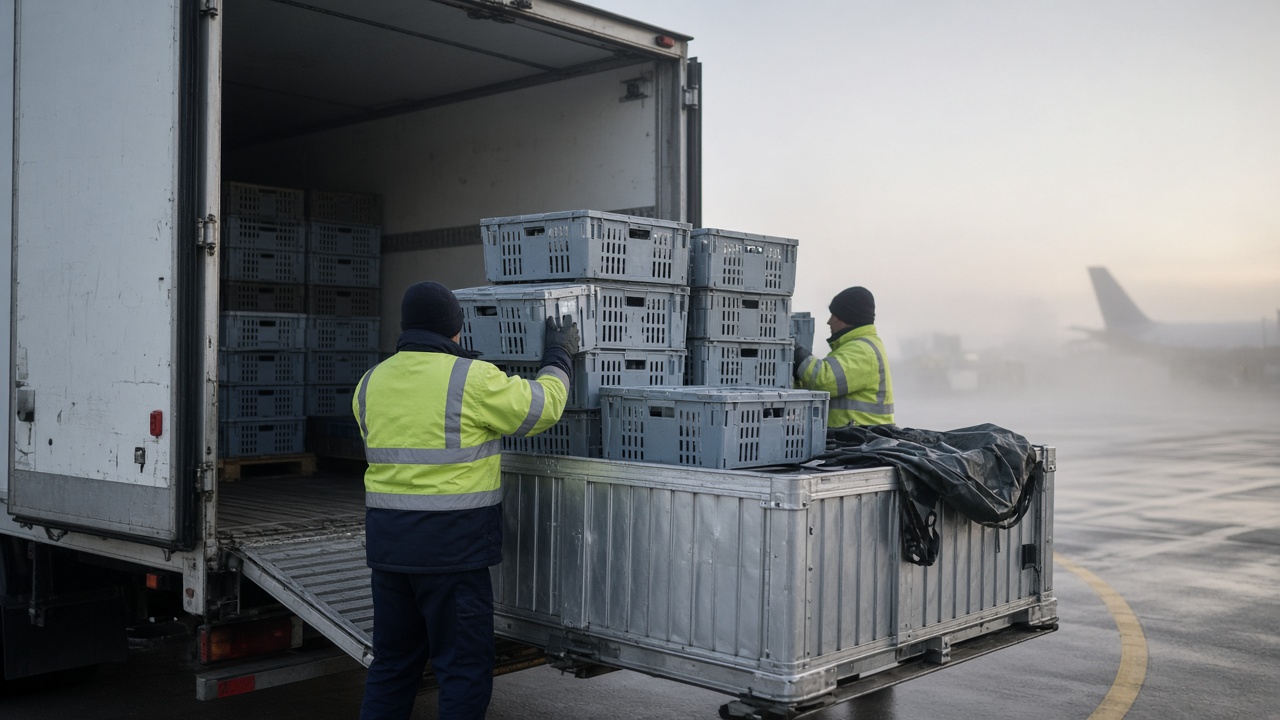
China Airlines added cold-chain cargo charters from Kaohsiung International Airport after southern Taiwan lychee growers missed refrigerated sea-freight windows when Mid-Autumn labor shortages slowed packhouse grading, according to a carrier bulletin fruit cooperatives received Sunday and export manifests InfoHandle reviewed. The flights target Hong Kong and Tokyo buyers willing to pay air premiums for fruit that lost shelf life waiting on delayed truck pools from Tainan and Pingtung orchards.
What moves on the charters
Each rotation carries roughly 18 to 22 tons of ventilated crates—mostly “Rose” and “Jade” cultivars pre-cooled to 4 degrees Celsius at Kaohsiung’s export inspection facility. Charters are not passenger conversions; they use dedicated freighter bellies with data loggers agriculture inspectors download on arrival. Growers must present pesticide residue certificates within 48 hours of pick; delays during the holiday pushed some lots past airline cutoffs until these extra departures opened.
Why air now
Sea reefer containers booked solid for banana and pineapple commitments; lychee is shorter-lived and loses market value when skin browns in humid terminals. Japanese retailers timing Mid-Autumn gift sets accepted smaller volumes at higher prices rather than cancel promotions. Antonio Rizzo’s readers care because the logistics mirror tourist season peaks: when ferries and flights prioritize people returning from holiday, perishable exports get bumped unless carriers carve ad hoc slots.
Costs and who pays
Air freight runs several times sea rates; cooperatives spread surcharges across member farms by weight. Smaller holders who skipped charter minimums sold domestically to night-market vendors at steep discounts—a familiar boom-bust pattern when typhoon forecasts make growers rush picks. Agriculture and Food Agency staff stationed extra graders at Kaohsiung to prevent duplicate inspections that stranded a 2025 mango shipment.
Traveler spillover
Passenger terminals saw no schedule changes, but truck traffic on Zhongshan Road access ramps queued before dawn when loaders synchronized with freighter pushbacks. Airport authority asked tour buses to use alternate curbs after two charter coaches blocked refrigerated truck lanes. Travelers should pad airport arrivals on charter nights; security lines spike when cargo handlers shift screening lanes.
What could change next
If October typhoons spare orchards, sea capacity may reopen and air charters end—China Airlines said rotations are reviewed weekly, not locked for the season. For exporters, the lesson is labor calendars: packhouses need backup graders when holidays drain hometown crews. For visitors passing Kaohsiung, the visible sign is pallet stacks near cargo terminals, not a new terminal wing—fruit aviation that keeps Taiwan’s short-season lychee on foreign shelves when boats sail full.
Customs brokers said charter nights require manifests filed six hours earlier than passenger peaks; missing paperwork once grounded a pallet of mangosteens beside lychee, a reminder that cold chain is paperwork as much as temperature. Growers who make the flights still share WhatsApp photos of bruised fruit rejected in Hong Kong—quality control that air speed cannot fix if pickers rushed before rain.