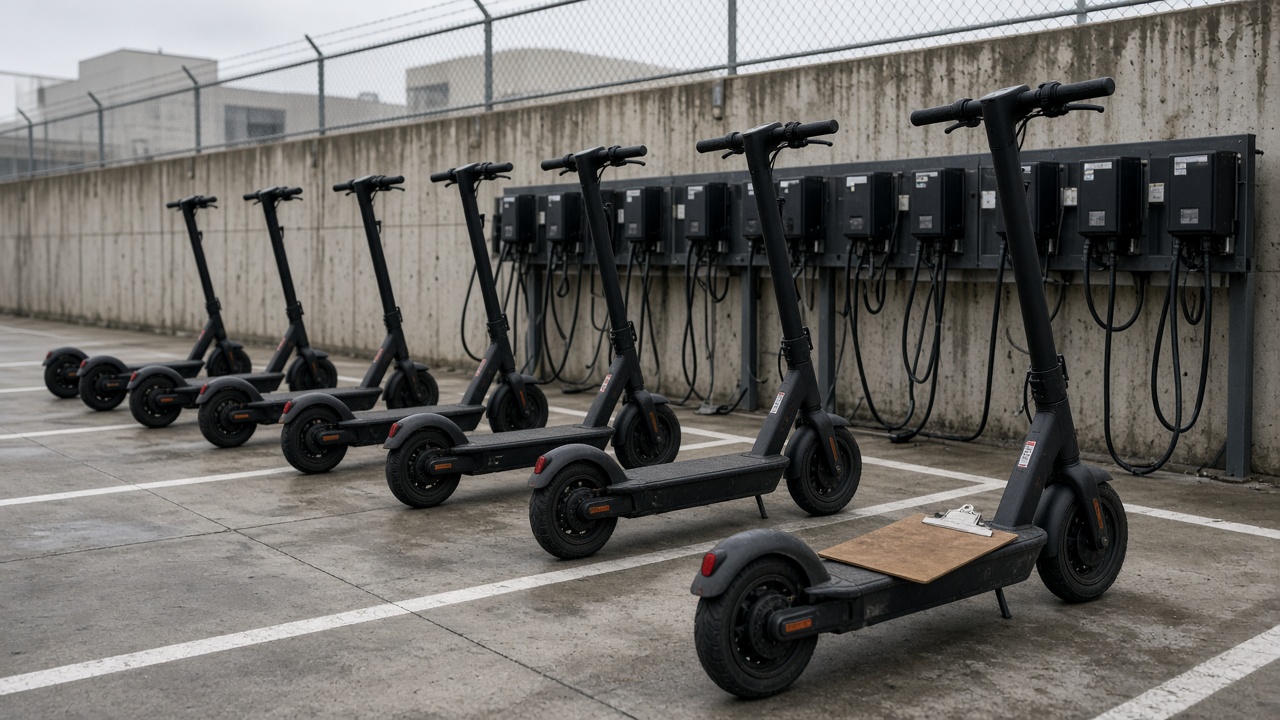
Digit Insurance closed a growth-capital tranche this month that partly values a fleet book tied to Ola Electric scooter telemetry, according to people briefed on the term sheet. The round lets Digit price commercial policies using ride-hours, geofenced corridors, and battery-swapping patterns rather than flat annual premiums—while IRDAI-aligned actuaries retain audit rights over how telematics feeds map to loss ratios.
How fleet telemetry changes underwriting
Gig fleets and delivery partners already insure two-wheelers in bulk; the friction is adverse selection when high-mileage riders subsidize weekend users. Ola Electric’s connected scooters export CAN-bus summaries and swap-station check-ins Digit can batch without storing raw GPS traces in claims systems. Underwriters set corridors—airport loops, university towns—and adjust premiums quarterly when telemetry shows braking harshness or idle time spikes correlated with theft filings.
Digit’s public filings emphasize “contextual insurance”; privately, executives describe the Ola Electric partnership as a hedge against generic motor portfolios where competition crushed margins. Growth investors in the round receive board observer rights tied to data-quality reviews, not marketing access to rider identities.
What Ola Electric gains
The EV maker wants financing and insurance bundles that move metal without bloating in-house balance sheets. Fleet operators buying S1 variants in batches get policy quotes in the same portal they reserve vehicles—reducing drop-off between vehicle order and roadworthy paperwork. Ola Electric shares firmware-level immobilizer hooks insurers requested so stolen scooters in high-fraud postal codes trigger faster claims triage.
Competitors like Ather and TVS offer their own tie-ups; Digit’s bet is that Ola’s fleet scale in Karnataka and Tamil Nadu produces enough telematics density to train models competitors cannot replicate from sparse broker data.
Regulatory framing
IRDAI’s sandbox and motor product filings still require human-readable policy wordings and caps on automatic rate jumps. Digit’s compliance team filed addenda explaining how telemetry variables influence premiums and what happens when riders opt out of data sharing—they pay higher flat rates. Privacy advocates asked whether gig workers truly consent; Digit points to fleet master policies signed by logistics companies, with individual riders notified via employer dashboards.
NITI Aayog’s electric-mobility reports cite insurance innovation as a lever to cut total cost of ownership; the round’s investor deck quotes those policy papers without claiming government endorsement.
Capital use and runway
Proceeds split among claims reserves for the fleet book, engineering hires for telematics ingestion pipelines, and co-marketing with Ola Electric field teams who visit depot operators. Digit is not IPO-ready on this tranche alone, but founders told investors the partnership could expand to battery warranty carve-outs if swap-station downtime correlates with fire claims.
If Ola Electric’s public listing plans shift, Digit’s dependency risk rises—investors negotiated milestone clauses requiring alternate OEM feeds within eighteen months if exclusivity windows expire.
Claims operations
When a scooter logs a sudden deceleration and tip-over pattern, claims triage queues pre-flag adjusters before riders call. Repair networks in Bengaluru and Pune already upload photos via Digit’s app; telemetry adds a layer that spots inconsistent stories when immobilizer logs show movement after reported theft times.
Fraud investigators warn telematics is not panacea—colluding shops can still bill for parts never replaced—but fleet owners say aggregate dashboards helped them retire riders whose behavior spiked loss ratios.
Market read-through
Insurtech valuations in India remain picky after public-market corrections; this round priced Digit as a scaled general insurer with a data moat, not a app-only MGA. For Ola Electric, cheaper fleet policies grease B2B sales without subsidizing premiums from vehicle margin.
Watch whether IRDAI questions cross-subsidy between retail motor and fleet telematics books during the next supervisory review. Until then, Digit’s growth story is tethered to scooters that phone home every swap—and to actuaries who insist those phones tell the truth in audit-ready tables.
Investor roster and governance
The growth tranche mixes existing Indian insurance investors with a sovereign-backed fund that wanted explicit data-governance covenants. Board committees will meet quarterly to review model drift when monsoon riding patterns change—wet roads should not automatically trigger punitive premiums if loss data does not support it.
Digit also committed to publish a plain-language fleet policy explainer for depot managers who are not actuaries. Transparency is part of the pitch: telemetry pricing only works if operators understand why their per-scooter bill moved.