Fortis Hospital Kolkata at Anandapur said it added morning and early-evening bariatric pre-operative nutrition blocks through November after a wave of employer-sponsored health screenings tied to Durga Puja office catering sent sleeve-gastrectomy consults up faster than its dietitian roster could absorb. The hospital is not advertising a discount campaign; it is sequencing medically supervised protein and micronutrient modules so surgeons will not book cases that fail pre-op weight and lab gates.
What triggered the queue
Hospital coordinators told reporters that referrals from IT parks in Salt Lake and New Town rose sharply in the fortnight after pandals reopened, many tagged “corporate wellness” after on-site BMI checks flagged staff who had spent September on buffet-heavy lunch passes. Fortis does not publish daily bariatric counts, but its bariatric coordinator said roughly forty new sleeve evaluations landed in two weeks—about double the usual September pace. Most patients are not emergency cases; they are employees whose insurers or HR teams routed them after fasting glucose and HbA1c panels crossed internal thresholds.
ICMR’s 2020 consensus on obesity surgery still frames bariatric care as a multidisciplinary pathway, not a single OR date. Fortis is leaning on that language: dietitians document twelve supervised high-protein days, thiamine supplementation, and psychologist sign-off before anesthesia reviews a slot. Skipping the blocks would not violate law, but it would break the hospital’s own checklist and complicate morbidity reviews if a patient presents with poorly controlled diabetes on admission.
What the blocks actually require
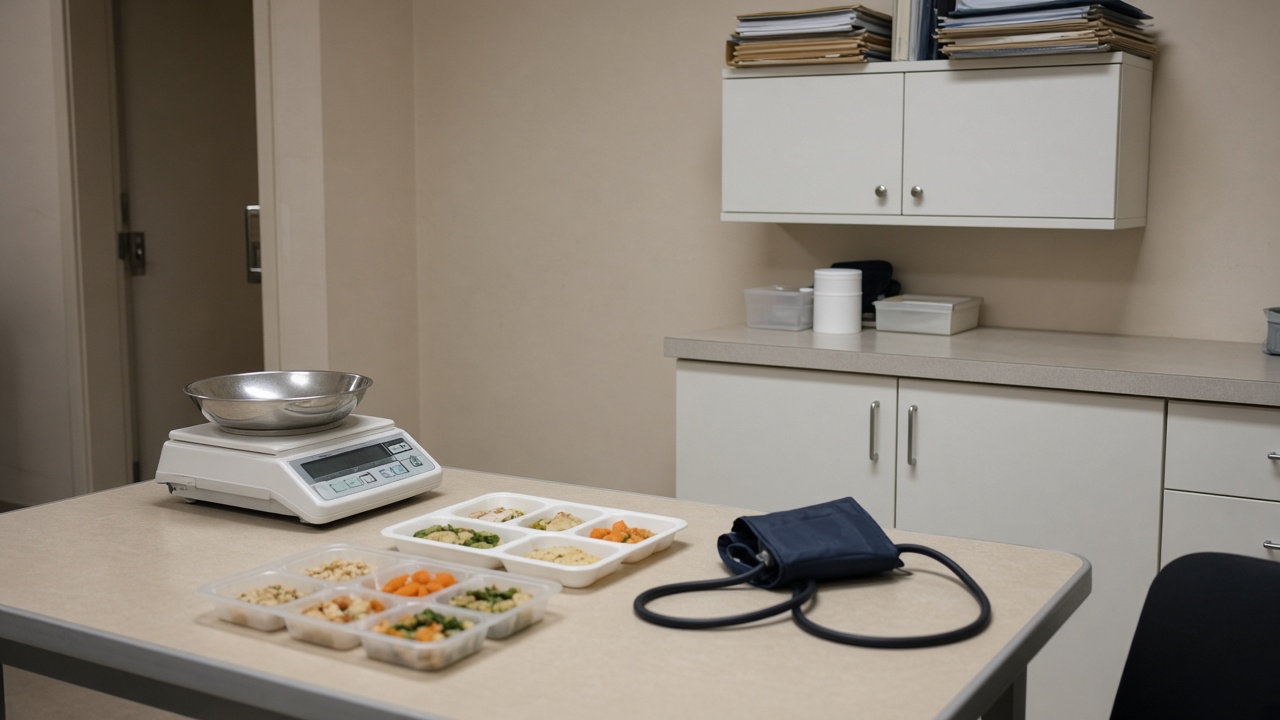
Each block is a ninety-minute group session plus a one-to-one weigh-in. Patients receive measured meal plans—dal portions, paneer swaps, and explicit limits on festive mithai brought from home—and log uploads on the hospital app. Coordinators said the point is not crash dieting before surgery; it is stabilizing liver glycogen and correcting obvious deficiencies so perioperative teams see repeatable labs. Absolute risk framing matters here: for someone with BMI above 37.5 with comorbidities, the mortality benefit of surgery in selected cohorts is well studied, but the immediate week still carries clot and leak risks that worsen when patients treat pre-op weeks as a last chance to eat everything.
Insurance and employer letters
Several referrals arrived with letters from third-party administrators asking whether “nutrition compliance” could be billed separately from the surgical package. Fortis said it bundled the blocks into the existing bariatric pathway fee for now, avoiding pro-rata disputes while volumes spike. Patients on retail health policies without bariatric riders were told upfront that pre-op modules are part of hospital protocol, not an optional add-on—important in waiting rooms where families assume puja sweets are harmless because surgery is already “decided.”
Limits after the festive window
The expanded schedule runs until Nov. 15 unless consult volume normalizes. Operating theaters are not adding nights; surgeons are protecting list integrity. Fortis asked primary physicians to stop faxing catering-company menus as “diet history” and to send recent labs instead. For Kolkata’s post-puja calendar, the honest message is triage: supervised nutrition weeks for people already on a surgical pathway, not a shortcut around lifestyle counseling for everyone who overate at a corporate pandal.