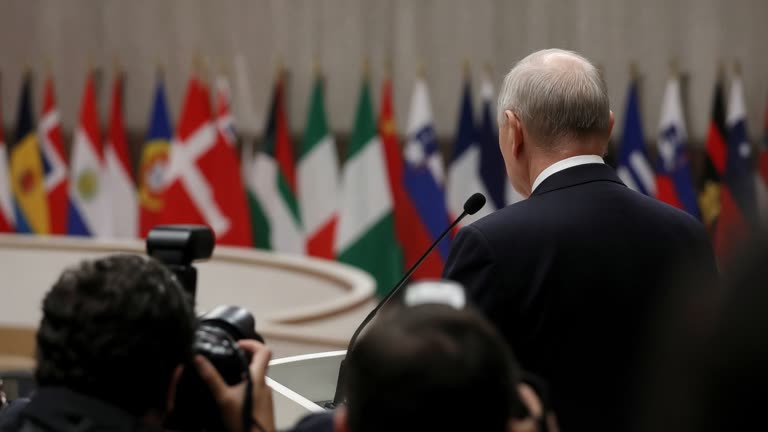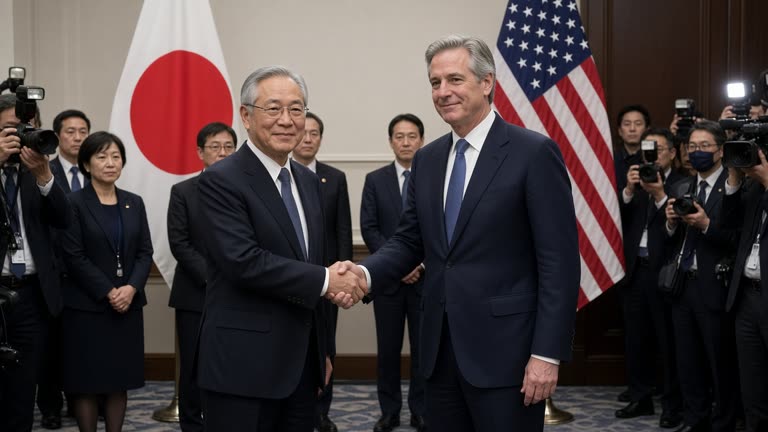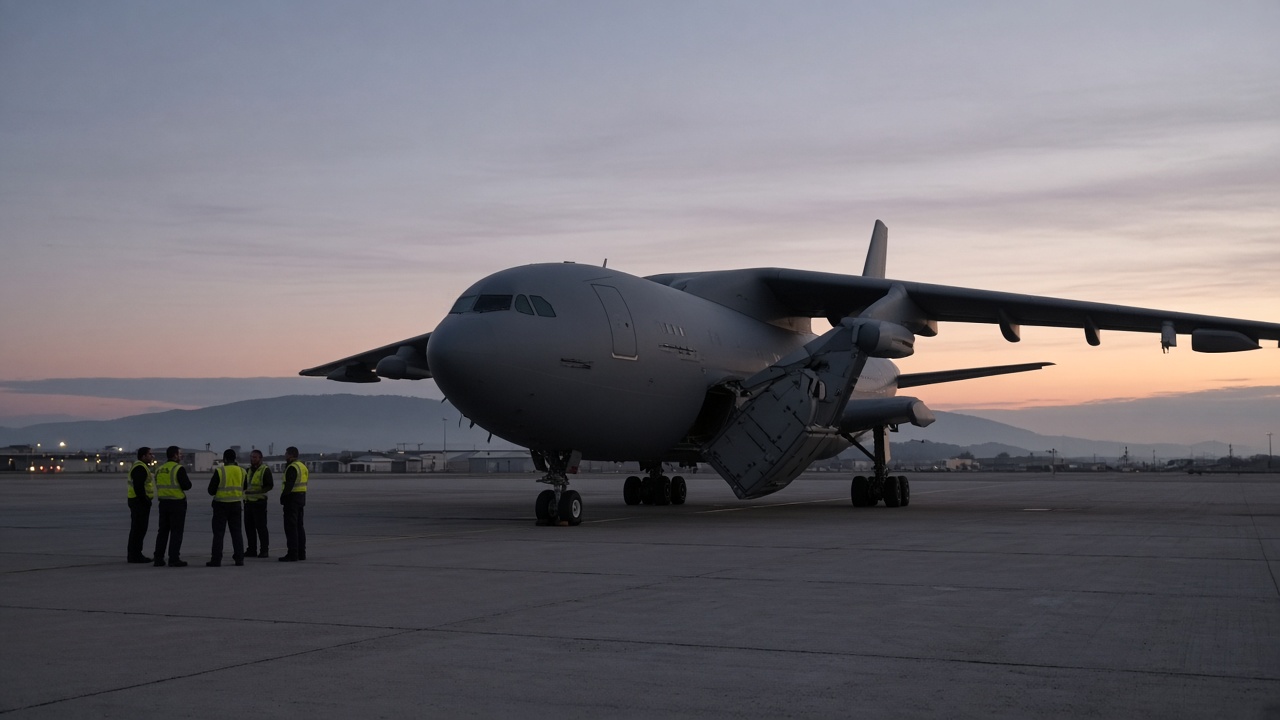
G7 foreign ministers meeting on the sidelines of the United Nations General Assembly demanded Monday that Iran “end its arming of and support” for Yemen’s Houthis, pairing diplomatic pressure on Tehran with a separate British pledge to keep Saudi interceptors airborne as the rebel advance threatens Red Sea shipping lanes. The joint statement, issued in New York, came as Prime Minister Andy Burnham confirmed the United Kingdom will send one RAF Voyager tanker from Akrotiri in Cyprus to provide defensive air-to-air refueling for Saudi jets for several weeks.
The ministers from Britain, Canada, France, Germany, Italy, Japan and the United States condemned “in the strongest terms” continued Houthi strikes inside Yemen and against Saudi Arabia. They tied the escalation to global energy security and warned that attacks on civilian shipping must stop. Iran’s mission to the UN has repeatedly denied supplying weapons, insisting its backing is political only—a claim the G7 text rejected by citing what the ministers called a dangerous pattern of arming and training that violates past Security Council resolutions.
UNGA timing and the Yemen front
The statement lands as senior Iranian officials prepare to speak at the General Assembly and as ground fighting intensifies along Yemen’s western highlands and coast. Al Jazeera reported Monday that Houthi fighters are battling Saudi-backed forces for ridges that could sever government-held pockets in the south from the Red Sea, while displacement camps in Taiz province swell. That battlefield pressure sits alongside—but is not the same story as—reports that President Donald Trump prepared, then aborted, U.S. strikes on Houthi targets over the weekend after last-minute White House hesitation.
Where the Trump episode centers on whether American bombs would leave the ramp, the G7 communique and Burnham’s tanker decision address what allies can do without reopening a full U.S. air war: name Iranian supply lines, back Riyadh’s defensive air patrols, and keep attention on Bab el-Mandeb. The National noted that Houthi gains near Mokha and nearby islands have tightened their hold on the strait’s approaches at a moment when Hormuz disruption has already forced Gulf exporters to weigh longer alternative routes.
Burnham’s Voyager deployment
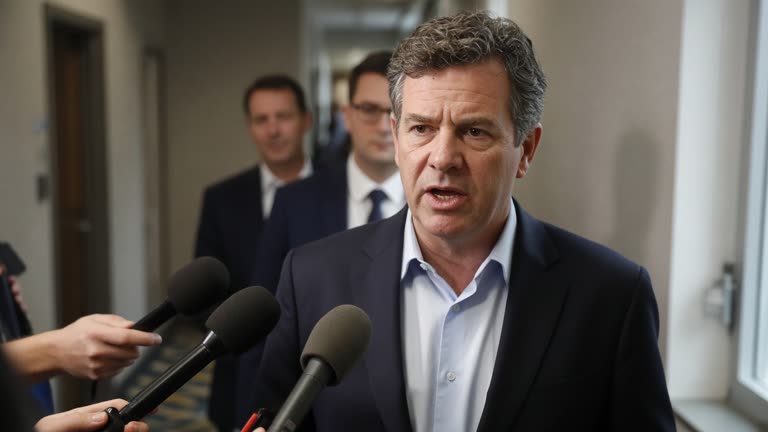
Speaking to reporters en route to New York, Burnham said he approved Saudi Arabia’s request for military support on the advice of Defence Secretary Wes Streeting and Foreign Secretary Ed Miliband. The Voyager—Britain’s sole dedicated air-to-air refueling type in routine overseas service—will not carry strike ordnance; Downing Street framed the mission as defensive refueling to protect energy infrastructure from Houthi drones and missiles.
The deployment is Burnham’s first significant force movement since taking office, and it precedes his inaugural meeting with Trump on Tuesday. Labour aides said the prime minister would press for wider de-escalation on the Iran file even while answering Riyadh’s immediate operational need. A single tanker cannot sustain a campaign alone, but it extends loiter time for Royal Saudi Air Force fighters patrolling pipelines, ports and desalination plants that have come under sporadic fire since the regional war widened.
Bab el-Mandeb and insurer math
Shipping desks already price Bab el-Mandeb risk separately from Hormuz closures. The G7 ministers explicitly called on the Houthis to cease threats against merchant traffic and return to political talks, language that mirrors insurer clauses watching for “political violence” exclusions along the Red Sea corridor. Any sustained Houthi control of coastal batteries and islands raises the cost of Saudi crude reaching European and Asian buyers without transiting the strait under escort.
For Riyadh, a possible U.S. strike pause, a British tanker on station, and a seven-power diplomatic blast create room to fly more defensive sorties without waiting for Washington to re-enter the bombing campaign Trump reportedly halted at the load-in stage.
What comes next
Foreign ministers will watch whether Iran’s UN speeches offer any off-ramp on Yemen, or whether Houthi commanders treat the G7 language as background noise while pushing for those strategic heights. Burnham’s Voyager is scheduled for weeks, not months. The immediate test is whether defensive refueling and a united G7 demand change Houthi targeting along the coast, or whether Bab el-Mandeb joins Hormuz as a second chokepoint priced into every barrel leaving the Gulf.