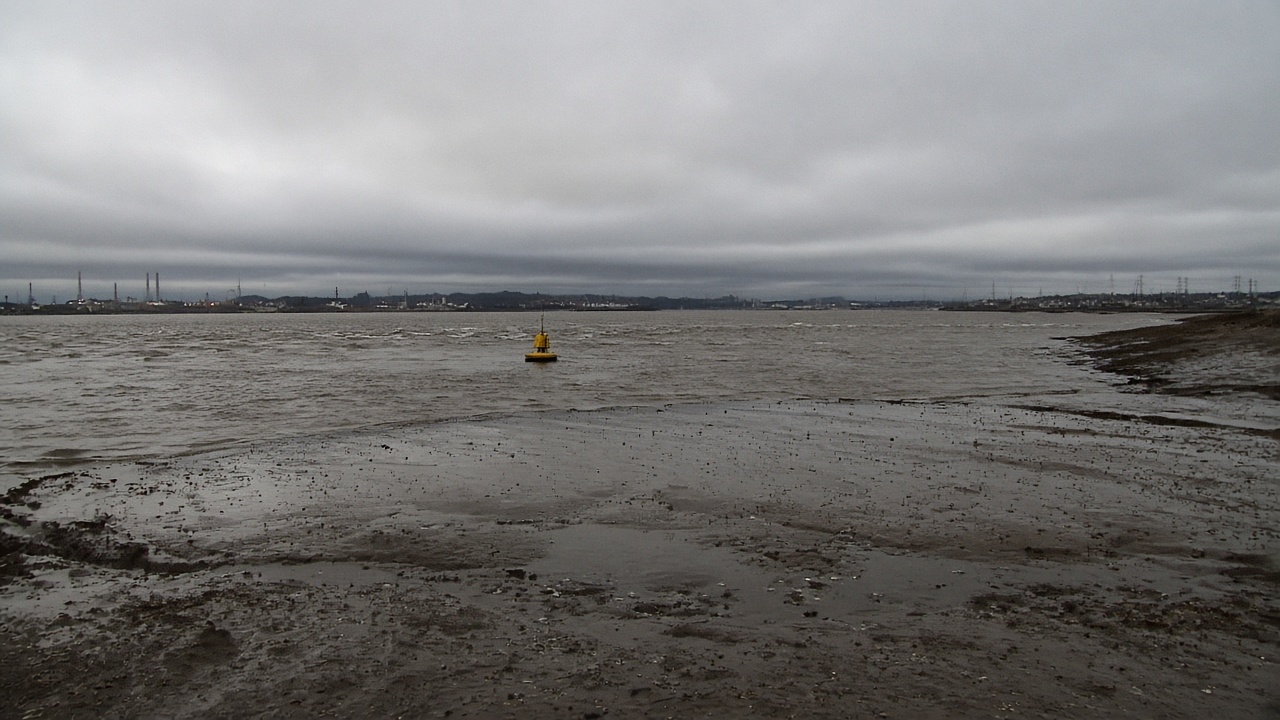
Green Party MP Caroline Lucas secured a Westminster Hall debate for early October pressing the Department for Environment, Food and Rural Affairs to fund continuous River Mersey tidal bore and salinity monitoring, after Liverpool City Region planners told ministers that estuary flood models lack baseline data on bore arrival times since a 2023 gauge failed.
What is on the order paper
Westminster Hall debates do not bind the government, but they force ministerial responses on record and shape spending bids before autumn statements. Lucas’s motion asks Defra to restore a Liverpool Bay array measuring bore height and upstream salt intrusion, linking readings to Environment Agency flood warnings for Wirral and Runcorn flats built on 19th-century reclaimed land.
Co-sponsors include Labour backbenchers from Sefton and Liberal Democrat MPs representing Chester, reflecting cross-party concern that Mersey tidal behaviour shifted after September’s rain deficit and heat dome lowered freshwater input. The debate is scheduled after recess, with a Defra junior minister expected to reply.
Why bore data suddenly matters
The Mersey bore—visible on spring tides when Atlantic pushes against river flow—signals how quickly saline water can reach intake pipes and storm drains. Liverpool City Region’s combined authority cited the missing gauge in a July letter to the agency, arguing new housing on the waterfront needs bore-aware evacuation routes, not only fluvial flood maps from upstream catchments.
Environment Agency officials previously treated bore monitoring as “nice to have” compared with Irish Sea surge buoys. Lucas argues climate-stressed summers make bore timing a public-safety metric: when freshwater slackens, bores arrive earlier and higher, overtopping walls designed for a gentler mixing regime.
Who has the votes—and the money
Lucas lacks Commons numbers to pass primary legislation; the play is to attach monitoring costs to existing flood defence settlements for the Mersey Tidal Power and associated barrier studies. Treasury watchers say £3–£5 million capital for gauge restoration is small against the £700 million barrier dialogue, but requires a lead department willing to label bore science as resilience, not ecology alone.
Labour ministers promised “climate-ready infrastructure” in their manifesto; Mersey MPs will ask whether that phrase includes estuary telemetry or only concrete walls. Conservative opposition may frame the debate as Green Party spending pressure during a fiscal squeeze—unless Wirral Tory MPs endorse local gauge restoration to protect commuter constituencies.
Committee path
Environment, Food and Rural Affairs Committee clerks have flagged Lucas’s data gap in post-recess inquiries on water resilience. If ministers offer only pilot funding, committee chairs could demand EA publish a Mersey bore risk register before approving barrier business cases—linking monitoring to capital approvals the way biodiversity net gain now gates planning.
Combined authority officers want bore feeds integrated with Merseytravel tunnel flood gates; without serial data, automatic closures rely on manual calls from harbour masters—a bottleneck during night tides.
What happens next
Defra can commit to gauge repairs in the Westminster Hall response without new legislation. Lucas’s team said they will table written questions on maintenance contracts for the failed 2023 sensor if ministers defer. Watch whether Labour whips allow free votes on an accompanying early day motion—symbolic, but a headcount on Mersey monitoring before the budget.
Planners in Liverpool’s Paddington Village expansion need the dataset for insurance renewals; absent ministerial cash, they may fund a local array and bill it as city-region innovation—shifting costs downstream while Westminster debates.
Political stakes
The bore is a cultural spectacle as well as a hazard; tourism boards film it for promotion. Lucas is weaponising that visibility to argue neglecting gauges insults both heritage watchers and flood planners. Ministers who dismiss the debate as Green symbolism still owe Wirral residents a timeline for sensor replacement before the next spring tide season.
Local government bids
Sefton Council’s flood risk management plan update, due before Christmas, lists bore timing as a data gap with a placeholder cost line. Lucas’s team wants that line filled from central resilience funds rather than council tax, arguing estuary science benefits multiple constituencies beyond Green voters. Treasury officials have not ruled out reprofiling existing EA maintenance budgets if the Westminster Hall debate draws regional press.