United Nations Secretary-General António Guterres said Monday that the state of the world is getting worse because a “dramatic geopolitical divide” has left the Security Council unable to act while wars in Ukraine, Iran, Gaza, and Sudan grind on. Speaking to Al Jazeera on the first day of the General Assembly’s high-level week in New York, Guterres argued that violations of international law by major powers who hold veto seats are trapping the most vulnerable countries in “very dramatic situations.”
The interview lands as nearly 130 heads of state and government arrive for a debate that will mix familiar crises with newer risks, including a dedicated Security Council session on artificial intelligence scheduled for midweek. Guterres’s mandate ends on December 31, and diplomats have yet to agree on a successor, meaning this week’s speeches may double as a farewell tour for a secretary-general who has spent a decade pleading for reforms to a council he says still reflects “the world of World War II.”
What Guterres said
Guterres told Al Jazeera that ongoing conflicts involving Russia and the United States—both permanent members—have created a crisis of credibility for the UN’s enforcement tools. He did not name individual leaders in the excerpt published Monday, but he linked council paralysis to rising food and fuel prices and to the collapse of trust in multilateral rules. The Philadelphia Inquirer, previewing Tuesday’s opening, reported that Guterres is expected to use his final formal address to urge leaders to defend human rights, invest in sustainable development, and treat AI guardrails as a security issue rather than a Silicon Valley talking point.
Channel News Asia noted that the General Debate opens Tuesday and runs through September 28, with Ukrainian President Volodymyr Zelenskyy and Iran’s Masoud Pezeshkian among the speakers scheduled for Wednesday. Those appearances will test whether Turtle Bay can host adversaries in the same building without worsening the wars they are fighting outside it.
Reform versus ritual
Guterres has long advocated expanding the Security Council and limiting veto use in mass-atrocity cases; none of those proposals have gained traction among the P5. Instead, this year’s agenda highlights side diplomacy: Qatar shuttling Iran proposals, European capitals lobbying for Ukraine language, and a Monday invitation-only AI summit Guterres hosted to press for transparency and human oversight. He told reporters the world cannot “afford a race to the bottom on AI safety,” language that will echo in Wednesday’s council chamber.
For smaller states, the frustration is practical: sanctions regimes stall, peacekeeping mandates shrink, and humanitarian corridors depend on bilateral deals rather than enforceable resolutions. Guterres’s Monday warning is less a prediction than a status report from the official tasked with calling crises by name even when the members who could stop them are also arming the combatants.
What changes this week
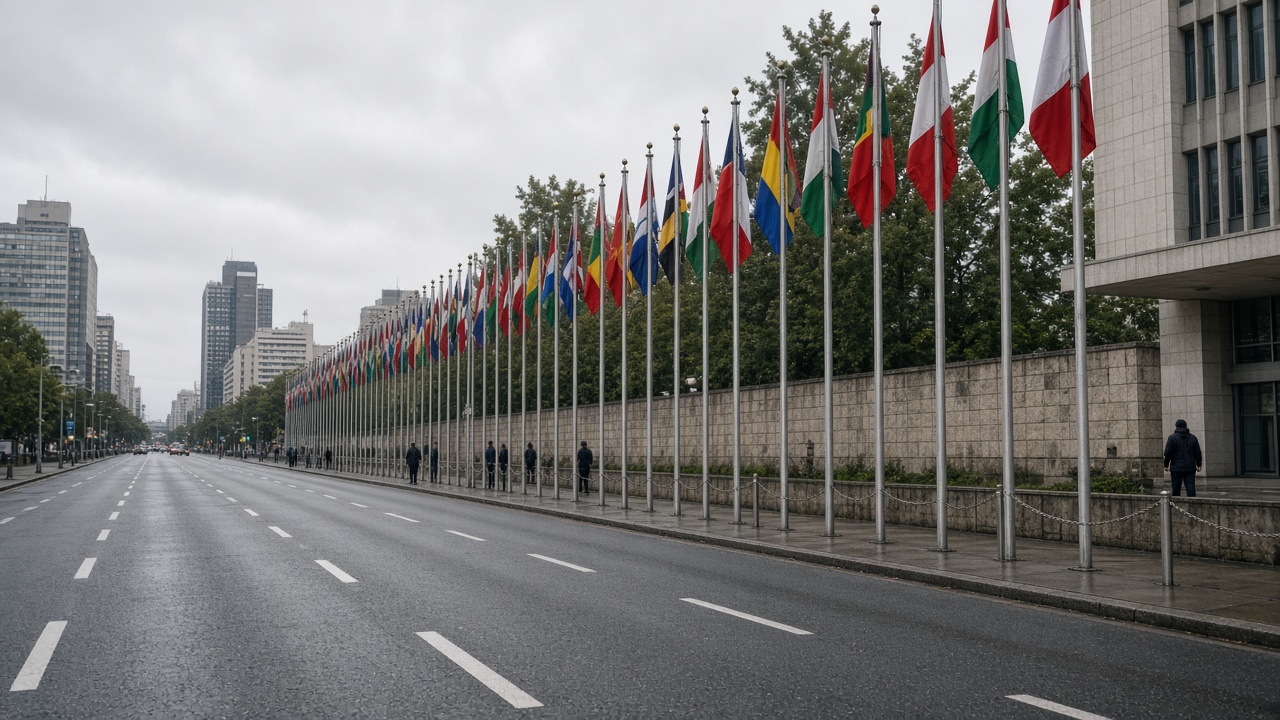
Seasoned UN watchers caution that breakthroughs are unlikely; the value of high-level week is often measured in bilateral pull-asides rather than plenary applause. Still, the density of leaders in Manhattan gives mediators a narrow window to align positions before many delegations pivot to Washington for a separate U.S.–China summit. Guterres’s public diagnosis of council paralysis sets a blunt tone for a week that begins with flags along First Avenue and ends with unanswered questions about who will inherit his reform agenda when the gavel passes to a new secretary-general in January.