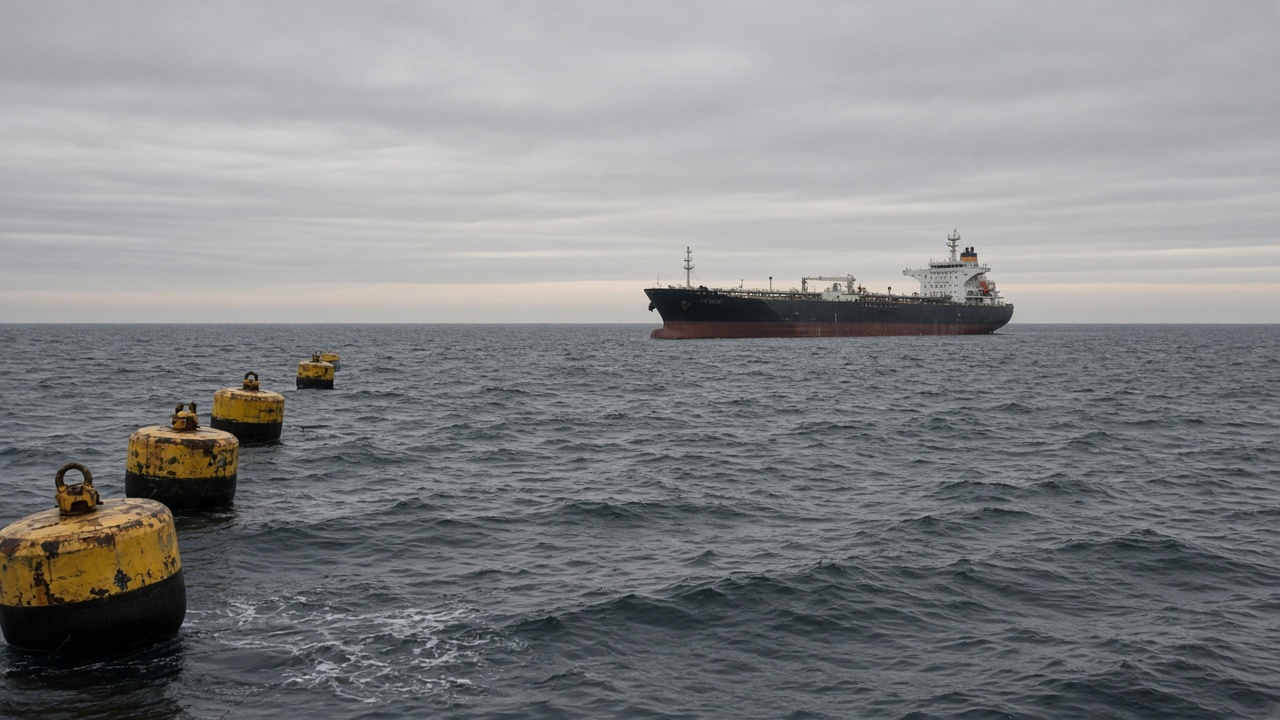
Iran’s Khatam al-Anbiya Central Headquarters warned Sunday that it had received information the United States is preparing to resume strikes on Iranian territory, raising the prospect of a new escalation in a seven-month war that has already choked energy shipments through the Strait of Hormuz. The statement said any renewed assault would draw retaliation against American bases and interests in the region and cautioned neighboring governments against facilitating U.S. operations.
The alert landed hours after President Donald Trump told Fox News he remained in a “deciding mode” on Iran, listing further military action, economic pressure, or a negotiated deal as live options. Iranian officials traveling to New York for this week’s United Nations General Assembly have paired public diplomacy with sharper threats, while Qatari mediators said they were shuttling proposals aimed at restarting talks that collapsed when a June cease-fire memorandum expired.
Shipping data turns quieter
Commercial tracking cited by Al Jazeera showed only about a dozen commodity vessels transited Hormuz over the weekend, down from roughly 35 the prior weekend, as insurers and charterers weigh the risk of strikes or seizures along the narrow choke point that carries a large share of global oil exports. Brent crude futures traded near $102 a barrel Monday even after a modest pullback, with analysts at Eurasia Group telling clients they expect prices to remain in a $90–$110 band through year-end because any rebound in flows would not erase the wider supply deficit.
Tehran has told Qatari and Pakistani interlocutors that talks require an end to U.S. attacks, the release of frozen Iranian funds, and lifting of the naval blockade on Iranian ports, conditions Washington has not publicly accepted. Qatar’s foreign ministry spokesperson Majed al-Ansari said Doha had heard assurances that the United States still wants an agreement, but the military warning underscores how brittle the pause has become.
What Iran’s command said
The Khatam al-Anbiya statement, reported by Iranian state media and international outlets, framed the intelligence as actionable rather than rhetorical, a shift from earlier weeks when both sides traded limited strikes without a full return to the February opening salvos. Iran’s military separately warned regional capitals that hosting or enabling U.S. sorties would be treated as participation in the conflict, language Gulf states have heard before but now must weigh against active Hormuz disruption.
On the U.S. side, Trump’s weekend comments revived his threat to “obliterate” Iran economically or militarily if Tehran refuses a deal, while Iranian President Masoud Pezeshkian’s delegation prepares for meetings on the sidelines of the General Assembly. European and Asian importers are watching both tracks: diplomacy in Manhattan and force posture in the Gulf.
Diplomatic clock
Qatar’s mediation push is the most visible off-ramp, with officials traveling between Doha, Tehran, and Gulf capitals even as shipping insurers raise war-risk premiums. Iranian negotiators have not ruled out talks but insist the June framework’s collapse places the burden on Washington to halt strikes first. U.S. officials have emphasized freedom of navigation while keeping carrier groups within striking distance.
For markets, the immediate question is whether Hormuz transits stabilize before storage draws accelerate. For policymakers, the weekend warning tests whether either capital still believes a controlled escalation is possible. With UN week beginning and tanker counts at a fraction of normal, the next few days will show whether the intelligence report was a prelude to action or a bargaining signal sent through military channels instead of foreign ministries.