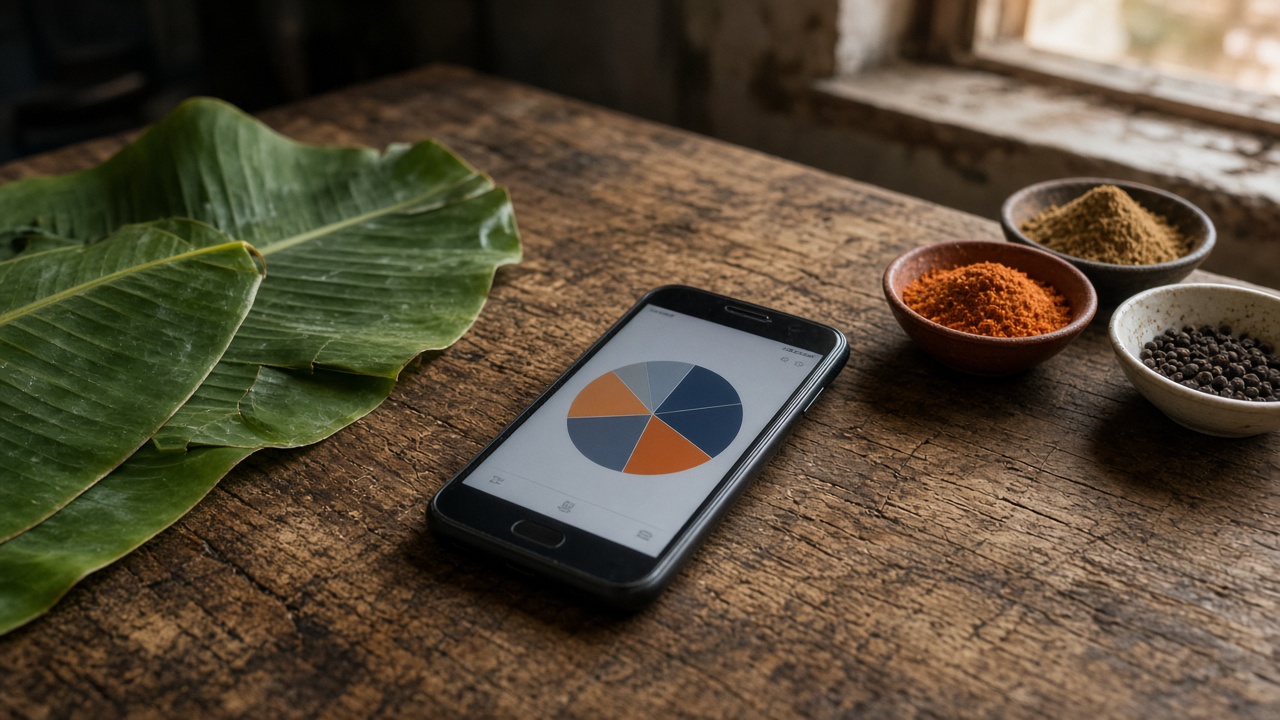
Families across Kochi and Ernakulam district spent Onam week reconciling Gulf remittances inside passbook apps co-branded by Federal Bank and South Indian Bank, using new split tags to show which brother in Doha or Riyadh funded sadya groceries versus gold installments for their mother. The fight is not about exchange rates alone; it is about household transparency when four siblings share one aging parent and no one wants to paste screenshots into WhatsApp groups.
Why the apps matter this season
Both banks rolled out “family view” toggles in August that let a primary NRI account holder assign labels—Onam sadya, medical, temple offering—to inward remittances while dependents in Kerala see credited amounts without full account numbers. Customer service teams in Aluva said call volume shifted from “did the transfer arrive?” to “why is my tag missing?”—a sign the feature is actually used, not just marketed on Onam banners.
RBI’s liberalised remittance rules still cap how much residents can receive, but most of these transfers sit well inside LRS reporting thresholds. The practical friction is timing: UAE salary cycles often land after midnight India time, while fish markets and banana-leaf wholesalers want cash or UPI before dawn. Tagged credits give the sibling running the household a ledger that survives family politics better than a forwarded bank SMS.
How households split obligations
In interviews outside Ernakulam Junction, relatives described a common pattern. The eldest son in the Gulf sends a lump sum; the sister in Kakkanad allocates via the app to vendors—textile shop UPI, caterer advance, ambulance fund for an uncle—so everyone sees balances before Vishu planning starts. South Indian Bank’s passbook shows a pie chart by tag; Federal’s version lists chronological credits with editable notes. Neither bank mediates disputes, but both log edits, which siblings said reduces accusations of hidden spending.
Lawyers caution the apps are not wills or gift deeds. Kerala’s succession customs still govern property; these tools only document who paid for this Onam. For NRI families, that distinction is enough when a mother asks quietly who bought her new mundu.
Limits and privacy
Family view requires explicit invites; banks warn against adding in-laws without consent after a spike in “surprise” logins during last Vishu. OTP fatigue is real—each tag edit can trigger authentication—and older parents sometimes hand phones to grandchildren, blurring audit trails. Federal Bank said it will add read-only mode for elders in October.
Exchange houses on MG Road still see walk-ins who distrust apps, but foot traffic was lighter this Onam among families already on co-branded passbooks. Bank staff in Ernakulam said they will host branch camps after Onam for elders who need help enabling tags without handing passwords to teenagers.
The story is small-bore relationship infrastructure: Gulf money arriving on time, visible, and split fairly enough that sadya prep does not become another group argument—and quiet enough that a mother knows who paid for her jasmine garland without a family meeting.