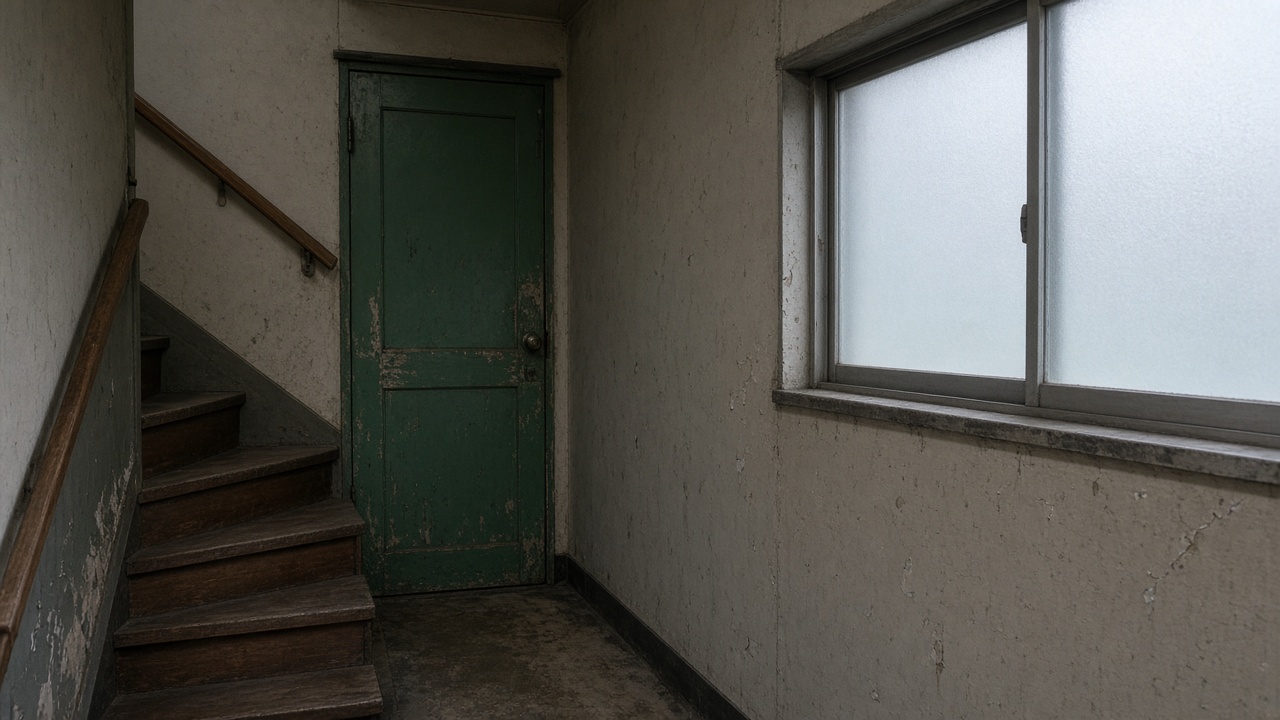
The Ministry of Health, Labour and Welfare released draft enforcement standards on Friday that would require supervising organizations and employers to prove technical-intern dormitories maintain unobstructed fire exits, working alarms, and night-access policies that do not trap residents on upper floors. The proposal opens a public comment window through October 18, after OTIT audits this summer documented chained secondary stairwells and padlocked courtyard gates at two dormitories in Hyogo and Shizuoka.
What the draft changes
Current OTIT guidelines already demand two escape routes for dormitories housing fifteen or more interns on second-floor bedrooms, or one route when occupancy stays below that threshold if alternatives like escape ladders are certified. The draft adds photographic evidence at annual renewals, mandates bilingual evacuation maps posted at sleeping-room doors, and prohibits employers from locking exterior gates between 22:00 and 05:00 unless a staffed fire watch records entries in a logbook reviewed by OTIT.
Supervising bodies that place interns in “attached workers’ dormitories” under the Labor Standards Act must cross-file fire prevention manager appointments with local fire departments—a step MHLW said was often missing when interns slept in factory-attached buildings nominally registered as warehouses.
Why politics caught up now
Prime Minister Kishida’s successor government faces Diet questions on intern welfare after foreign embassies raised dormitory photos during heatwave inspections. MHLW’s draft does not raise stipends or shorten training periods; it targets physical safety where votes are bipartisan. LDP and CDP members on the Health, Labour and Welfare Committee both asked for exit-route documentation in hearings last month.
Hyogo’s case involved twenty-three Vietnamese interns in a metal-processing town; auditors found an interior deadbolt added to a labeled fire door “to stop theft.” Shizuoka’s case featured a roll-up gate locked with a bike lock during a typhoon watch, blocking the courtyard path to a side stair.
Who pays and who inspects
Employers remain financially responsible for dormitory compliance, but supervising organizations lose accreditation if they file false occupancy counts to stay under the fifteen-person stair rule. OTIT regional offices will randomize photo checks starting January 2027 if the draft is adopted unchanged. Local fire departments retain authority under the Fire Service Act to order immediate closures when exits are blocked—powers interns rarely invoke because of language barriers and visa fears.
MHLW estimates 3,800 dormitories nationwide house technical interns; about 12 percent are factory-attached structures built before 1985 earthquake codes. Retrofitting second stairs in wooden buildings may cost millions of yen per site; the draft allows phased deadlines only when fire departments certify temporary ladders—not permanent waivers.
Procedure calendar
Comments submitted by municipalities, labor unions, and employer groups will be summarized for a December cabinet order. Diet members unlikely to block fire-safety text may still attach amendments on cooling standards, which MHLW split into a separate summer guidance memo. Supervisors must train dormitory managers on the new photo upload portal by February.
On-the-ground effect
Intern advocates welcomed exit rules but noted enforcement still depends on whistleblowers. The draft requires employers to display OTIT hotline numbers in Tagalog, Vietnamese, and Indonesian beside evacuation maps. If adopted, a chained fire door becomes an accreditation violation with a published supervisor name—not merely a verbal warning after an embassy complaint.
What happens next
MHLW will hold a webinar for supervising organizations on September 29. Employers with pending intern renewals should photograph every sleeping-floor exit this week; auditors said blurry phone images delayed Hyogo’s case resolution by a month. The ministry’s message is narrow but enforceable: dormitory fire exits are not storage hooks, and visa policy cannot outrun the Fire Service Act.