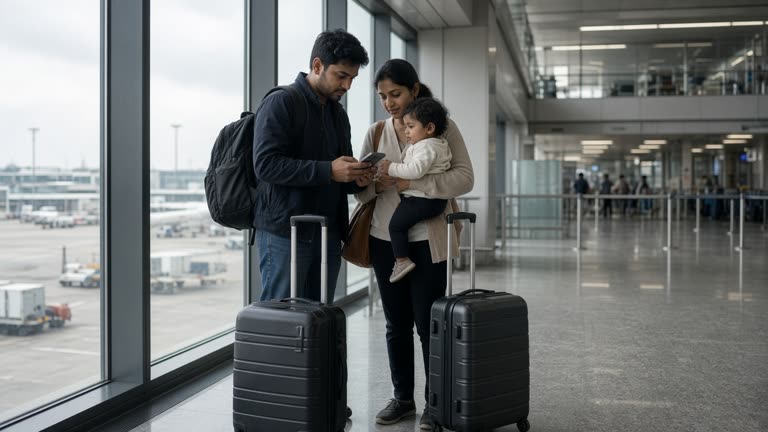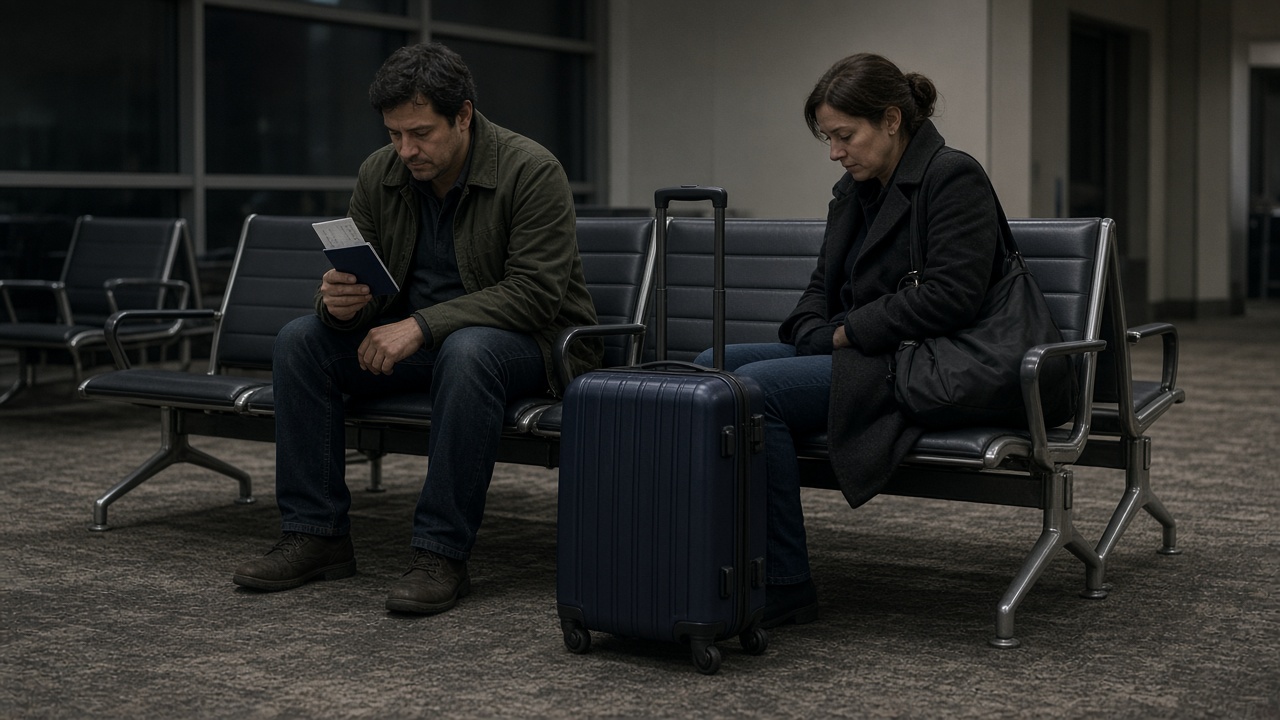
When Maya Chen and Jonah Reeves booked September visits between Oakland and Philadelphia, they thought basic economy would still mean a cramped seat—not a $45 charge to sit together and another $70 to bring a shared carry-on on the return leg. After major U.S. carriers tightened ancillary rules this summer, long-distance couples who budget romance in airport increments are redoing spreadsheets that used to assume at least one free under-seat bag and random seat assignment luck.
What changed on the ticket
American Airlines, Delta Air Lines and United Airlines each adjusted basic-economy bundles in 2025 so that seat selection at booking, priority boarding and full-size carry-ons often require buy-ups to main cabin. The Transportation Department has pressed airlines to disclose fees upfront, but comparison sites still separate base fare from “airline-imposed charges” until the payment screen. For couples flying monthly, those charges can exceed the fare on sale routes.
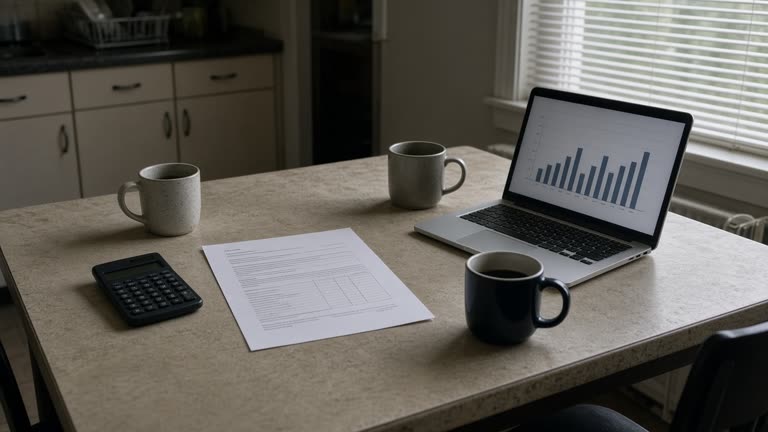
Chen, a nurse practitioner, and Reeves, a teacher, said they now alternate who flies because adding two seat fees both ways can top $180 on top of a $289 round trip. They are not unique: therapists who specialize in long-distance relationships said three of five clients mentioned airline fees in August intake forms, usually tied to missed holidays when fares jumped around UN General Assembly week and early fall conference travel to New York.
The money math
Bureau of Transportation Statistics data show average domestic fares rising through the first half of 2025 as jet fuel tracked wartime crude premiums. Hopper and Kayak both flagged September and October as expensive for transcontinental leisure bookings as business travel refilled cabins. Basic economy was marketed as a way to visit more often; fee stacks push some couples toward one longer trip instead of two short ones, stretching the emotional gap therapists warn about.
Credit card points help only if couples hold the right co-brand cards; many millennials on Chen and Reeves’s income tier carry general cash-back plastic without free bags. Southwest Airlines still includes two checked bags on most fares, but limited transcontinental nonstops can mean longer travel days that eat vacation time—a trade long-distance pairs measure in hours together, not just dollars.
What people are trying
Some couples split itineraries: one partner flies main cabin on the outbound with a carry-on, the other takes basic economy and ships a duffel through ground carriers. Others shift to red-eyes to avoid paying for aisle access on daytime flights. Chen and Reeves tried a Philadelphia meet-in-the-middle weekend in Chicago; the savings were real until hotel rates around a convention weekend erased them.
There is no universal fix. Airlines argue unbundling lets price-sensitive passengers pay only for what they use. For relationships maintained across time zones, the product can feel like a tax on intimacy. Chen said they will still fly—but they build seat fees into the “relationship line item” next to therapy co-pays, and they book earlier, when main-cabin sales still exist.
If fall fares stay high, the advice from counselors is procedural, not poetic: name the fee before it becomes a fight at the gate, and treat visit budgets like rent—reviewed monthly, not after the card statement surprises you.