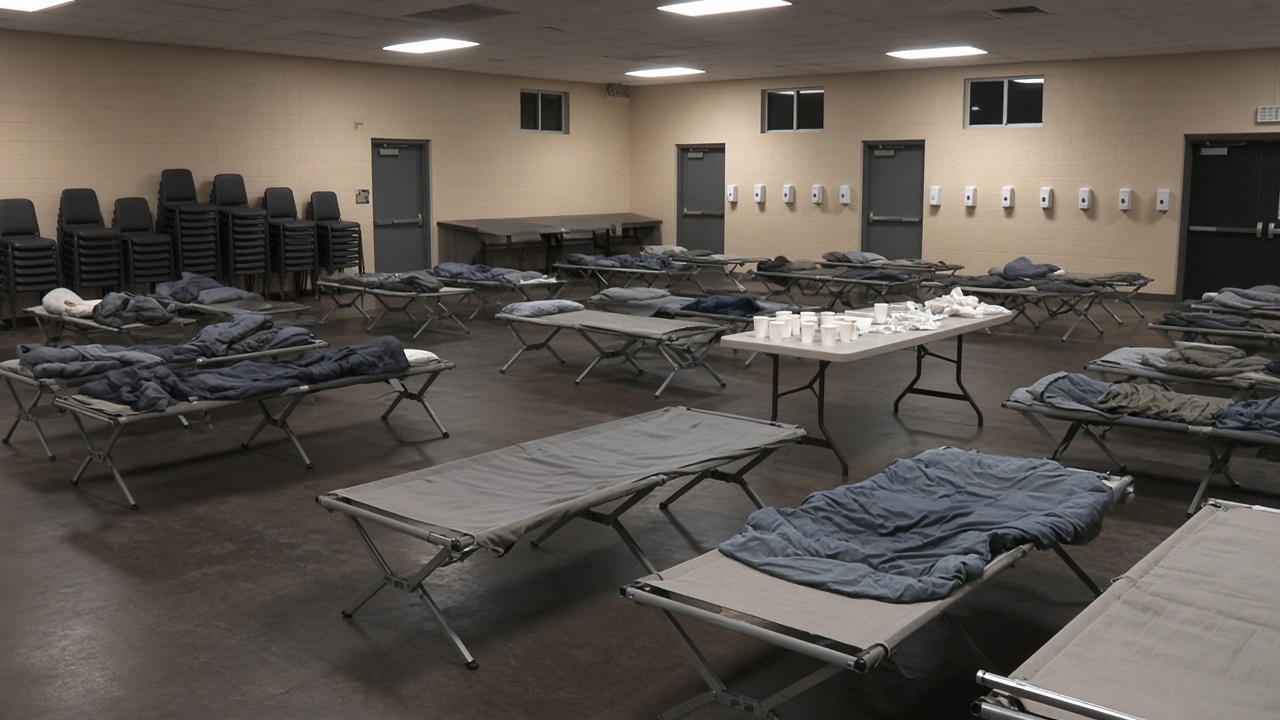
Miyagi prefecture’s pharmaceutical association said Friday it installed refillable heat-rash powder dispensers in twelve designated evacuation halls before a Sunday equinox blackout drill, aiming to cut skin breakdown when air conditioning stops and sweaty bedding stacks up. The move is not a substitute for cooling rooms or intravenous fluids; it targets prickly heat and friction rashes that pharmacists logged after last summer’s real outages, when elders waited hours on gymnasium floors.
What went on the shelves
Each station holds cornstarch-based powder in single-use paper cups beside laminated instructions in Japanese and simple pictograms. Association volunteers trained hall managers to dispense—not prescribe—after checking for open wounds or inhalation risk. Products are over-the-counter items already sold in Sendai drugstores; no experimental compounds appear in the kits.
MHLW heat-illness materials emphasize hydration, shade, and moving vulnerable people to cooled spaces first. Pharmacists aligned with that hierarchy: powder sits downstream of municipal plans to run mist fans and transport frail residents to hospitals if wet-bulb readings spike during the drill.
Why evacuation halls, not clinics
Blackout exercises assume clinics may lose refrigeration and phone lines simultaneously. Miyagi disaster planners mapped halls that double as polling sites and shelter floors; those buildings already host AEDs and diaper stocks. Adding dermatologic comfort items addresses a gap nurses reported when families refused to leave cot rows for minor itching, tying up staff who were triaging blood-pressure checks.
Sendai city’s English disaster pages list pharmaceutical support as a volunteer lane after major quakes; this drill tests whether hall captains can restock powder without calling a central warehouse. Absolute benefit is modest—itch relief, not mortality reduction—but relative misery matters when simulations run three hours with lights out.
Evidence the desk weighed
Randomized trials on starch powders for heat rash in shelter settings are sparse; occupational health literature supports keeping skin dry in humid mass-care environments. Pharmacists did not claim allergy prevention or infection control beyond comfort. People with asthma or COPD are told to avoid airborne powder; staff use cup-and-pour methods instead of shakers.
Infants belong on clinician advice, not hall dispensers. The association excluded pediatric doses from open stations and posted signs directing parents to on-site nurses or 119 if fever accompanies rash.
What readers should not do
Do not treat powder as sunburn care or a fever reducer. If drill day turns into a real heat emergency, cooling and medical assessment beat cosmetic skin steps. Households should still pack personal medications in go-bags; hall dispensers are backups when evacuation happens faster than pharmacy reopenings.
Administrators will survey hall captains after Sunday on usage rates and skin complaints. If uptake is near zero, the association may shift stock to mobile cooling buses instead—another lesson from treating disaster health as logistics, not headlines.
Coordination with drill evaluators
Prefecture evaluators will note whether powder stations delayed evacuation registration lines; pharmacists placed them adjacent to water coolers rather than entry desks. Volunteer medics carry albuterol inhalers separately—powder stations are not asthma clinics. Sunday’s after-action report goes to municipal councils deciding whether to fund year-round stocks or treat them as drill-only consumables.