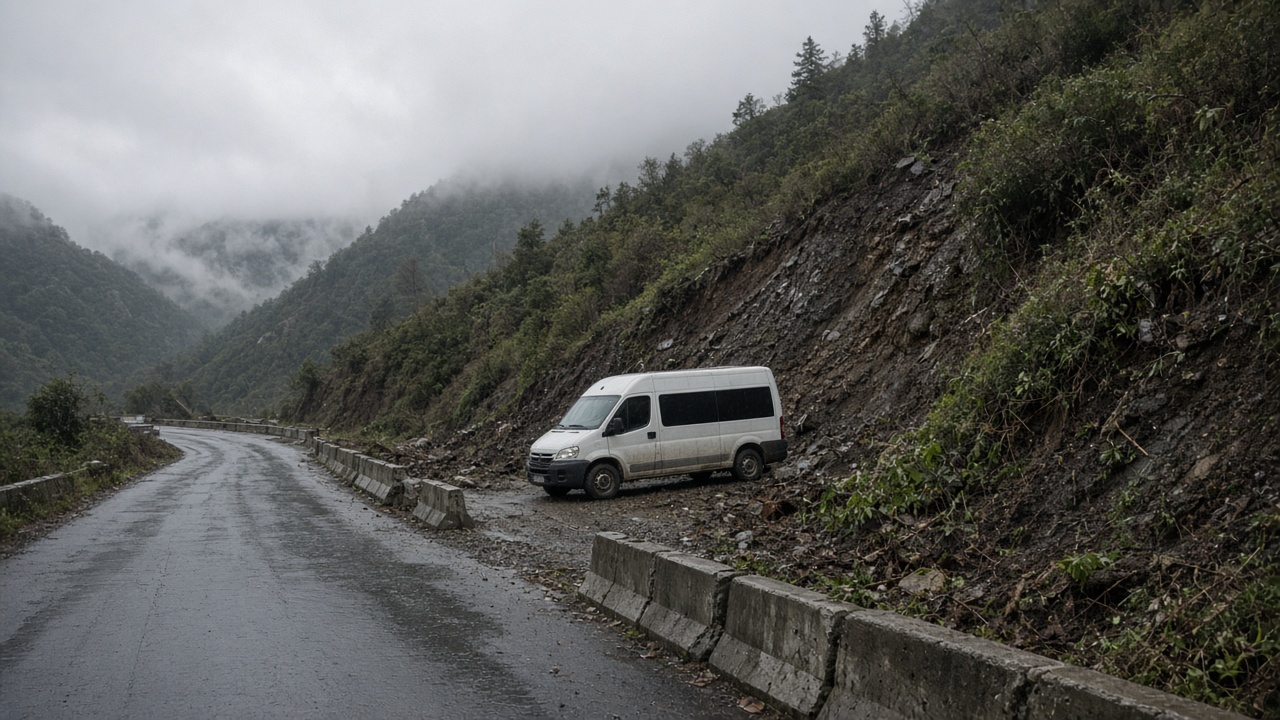
MS&AD Insurance Group’s domestic non-life units increased reserve assumptions on Hokkaido landslide and debris-flow claims after late-summer typhoon bands dumped rainfall that exceeded prefectural hazard maps in several coastal valleys, producing a September claims pick-up actuaries had placed in October tails.
Who led and why
Tokio Marine MS&AD’s reserving committee moved assumptions on inland flood and slope-failure riders tied to Hokkaido policies, according to investors briefed on a routine reinsurance touchpoint. The adjustment is not a catastrophe bond trigger event—it is a timing shift where ground saturation from repeated squalls turned forest road cuts into debris channels faster than historical models using pre-2020 storm catalogs predicted.
MS&AD shares traded in line with sector peers after the move surfaced in broker channel checks; the stock reaction stayed muted because total Hokkaido exposure is a fraction of Kanto earthquake aggregates. Still, combined ratio guidance for the fiscal half now carries a small explicit headwind where management previously cited typhoon season as “within expectations.”
Mechanism in the claims file
Debris-flow claims bundle structure damage, automobile total losses on mountain routes, and business interruption for tourism lodges that lost access roads. Adjusters reported clustered losses in Oshima and Hiyama subprefectures where MLIT hazard maps flagged moderate risk but local soil types behaved like high-risk zones once hourly rainfall topped eighty millimeters across six hours—thresholds JMA weather bulletins documented during the event week.
Reserving teams lifted IBNR layers for September notification lag: municipal road closures delayed site visits, pushing first notices into the fiscal quarter MS&AD wanted clean before investor day. Reinsurance recoveries remain probable on excess layers, but fronting insurers must book gross reserves first, which is the accounting move equity analysts model this week.
What the street already priced
Consensus had baked average typhoon seasons after two quiet years; Hokkaido slope failures are a reminder that climate volatility is regional, not only Okinawa wind damage. MS&AD’s diversity across auto, fire, and overseas life limits single-prefecture shocks, yet domestic non-life margin recovery narratives depend on fewer reserve releases, not additions.
Competitors Sompo and Tokio Marine fielded similar adjuster surges in Hokkaido; broker reports suggest industry-wide reserve bumps are possible if October rains re-saturate the same watersheds. None have confirmed numbers ahead of quarterly filings.
What would falsify by Friday
A dry October with no follow-on debris flows would let MS&AD release a portion of the added assumptions if claims close below expectations—management hinted at that path on the reinsurance call. Conversely, a second typhoon track across western Hokkaido would force upward revisions across the sector, not just MS&AD.
Regulatory intervention on landslide rider pricing would break the near-term story; MLIT and the Financial Services Agency have encouraged hazard map updates but have not imposed premium caps this season. Political pressure after tourism losses could accelerate subsidies, indirectly reducing net claims for insurers.
Investor mechanics
Reserve increases flow through combined ratios before investment income offsets; MS&AD’s yen-heavy portfolio benefits from domestic bond yields, but underwriting credibility matters for multiple expansion. ESG investors ask how MS&AD incorporates climate-scenario rainfall into Hokkaido models—actuaries cited updated gridded precipitation sets, not yet public in investor PDFs.
What happens before earnings
Watch third-quarter supplementary data for Hokkaido loss ratios versus prior-year September. Reinsurance renewal conversations in January will reprice slope-failure frequencies if 2026 ends above trend. Until filings land, Nina Okonkwo’s desk treats the reserve lift as a timing and geography story: MS&AD acknowledged that Hokkaido’s autumn debris flows arrived in the claims window earlier than models allowed, and shareholders shoulder a modest combined-ratio nudge until weather proves otherwise.
Local government and tourism spillovers
Hokkaido prefectural offices reopened mountain access roads under emergency contracts, shifting some debris removal costs off insurers temporarily, but structure damage claims still land on residential fire policies with landslide riders. Ryokan associations in coastal towns said September cancellations clustered around road uncertainty rather than wind damage—a nuance adjusters code differently from typhoon windstorm buckets.
MS&AD’s corporate clients with forestry equipment fleets filed smaller auto claims than homeowners, yet commercial property schedules in Oshima still triggered business-interruption reviews when customers could not reach plants for three days. Those files fed the same reserve committee discussion as household debris flows.