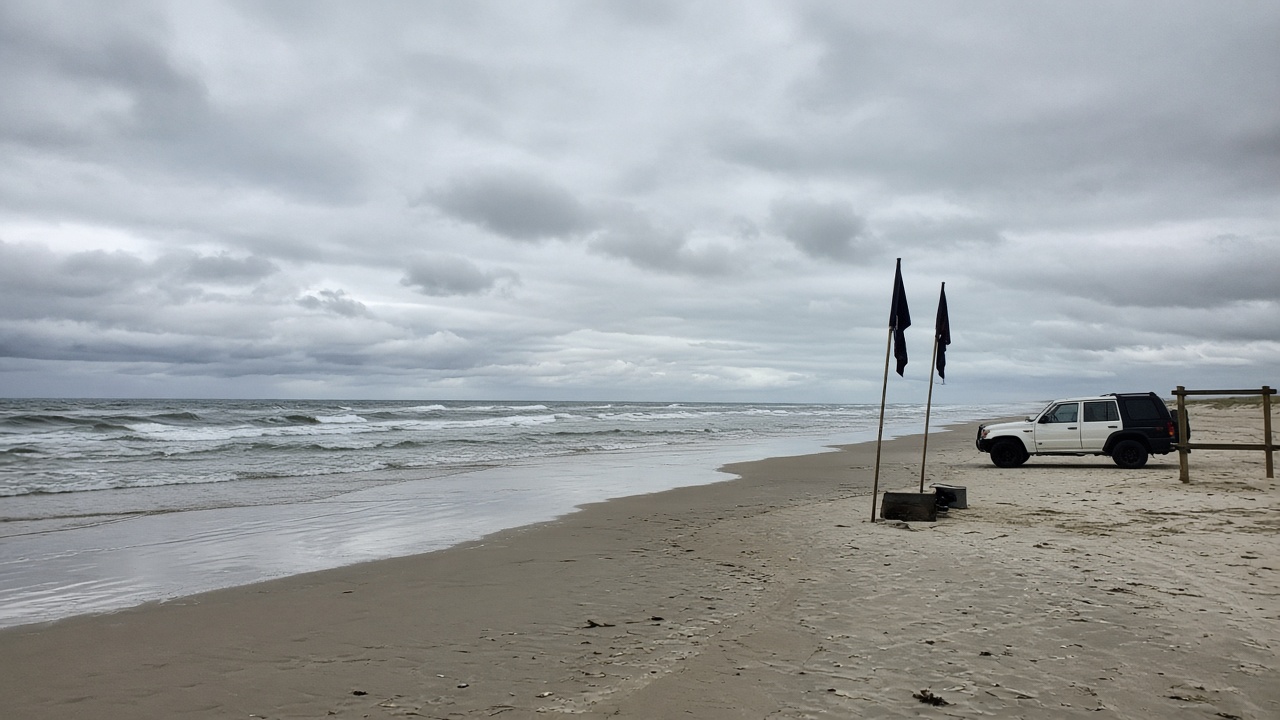
Beaches across Perth’s northern suburbs remained shut on Sunday while authorities searched for the great white shark that killed a swimmer at Sorrento Beach and debated a catch-and-kill order that Western Australia had not used in roughly a decade. Greg James O’Neill, 63, was taken in shallow water on Friday morning in front of witnesses; his body had not been recovered by Sunday afternoon, complicating both the police investigation and coronial work.
What happened at Sorrento
The Department of Primary Industries and Regional Development said it received a report at about 10:15 a.m. on 18 September of a possible shark incident involving a swimmer. WA Police and local rangers closed every beach in the City of Joondalup from the Marmion boundary sign in the south to the Iluka sign in the north. SharkSmart advisories told surfers and parents to expect additional caution even after formal reopenings.
Witnesses described a shark estimated at three to six metres. Water police believed they had located the animal on Saturday before losing track of it, a pattern shark researchers say is common hours after an attack when the animal moves offshore.
The catch-and-kill decision
Fisheries Minister Jackie Jarvis said she took the “extraordinary step” of authorising fisheries officers to destroy the shark if captured, citing exceptional circumstances, the hazard posed by the animal, and the potential recovery of coronial evidence. Jarvis ruled out a widespread cull, distinguishing the order from historical drum-line programs that drew international criticism.
DPIRD set capture gear — drum lines normally used for tagging — about 1.5 kilometres off Sorrento Beach. By Sunday, officers had withdrawn some on-water patrols while land-based teams continued to warn the public. Deputy Premier Rita Saffioti said she “100 per cent” supported Jarvis and announced that daily aerial shark surveillance over metropolitan beaches would resume Monday, nearly a week earlier than the scheduled 26 September restart.
Political and community reaction
WA Greens healthy oceans spokeswoman Sophie McNeill criticised the kill order, arguing there was little chance of catching the responsible shark and calling instead for expanded drone and helicopter spotting plus more tagging funds. Saffioti rejected that critique on Sunday, telling reporters the government would review existing mitigation — enclosures, the SharkSmart app, sirens, and personal deterrent rebates — but would not apologise for prioritising public safety after a fatal attack.
Sorrento Surf Life Saving Club paid tribute to O’Neill as a “much-loved” grandfather. The death was the third fatal shark attack in Western Australia in 2026 and followed a serious bite off Geraldton earlier in the week in which a surfer survived but lost part of his leg, according to ABC reports.
Monday reopening plan
The City of Joondalup said beaches would stay closed until rangers reassessed conditions at 10 a.m. Monday, 21 September. DPIRD recommended continued caution in the Sorrento area even if flags go up, noting that spring surf crowds are building ahead of school holidays.
Marine biologists interviewed by the ABC said the probability of finding the exact shark days later was slim, a scientific judgment that does not settle the political demand for visible government action after a death so close to shore. For coastal clubs, the immediate operational issue is whether weekend carnivals scheduled along the Joondalup strip receive insurance clearance if drum lines remain deployed.
What swimmers should expect
Surf Life Saving WA urged the public to check the SharkSmart website and app before entering the water Monday. Patrol rosters are being shifted to cover reopened beaches with extra jet-ski support. Until O’Neill’s body is located and the shark order lifted or executed, Sorrento remains a symbol of how quickly a routine ocean swim can shut half a city’s coastline — and how WA’s leaders choose between conservation politics and a grieving family’s demand for answers.