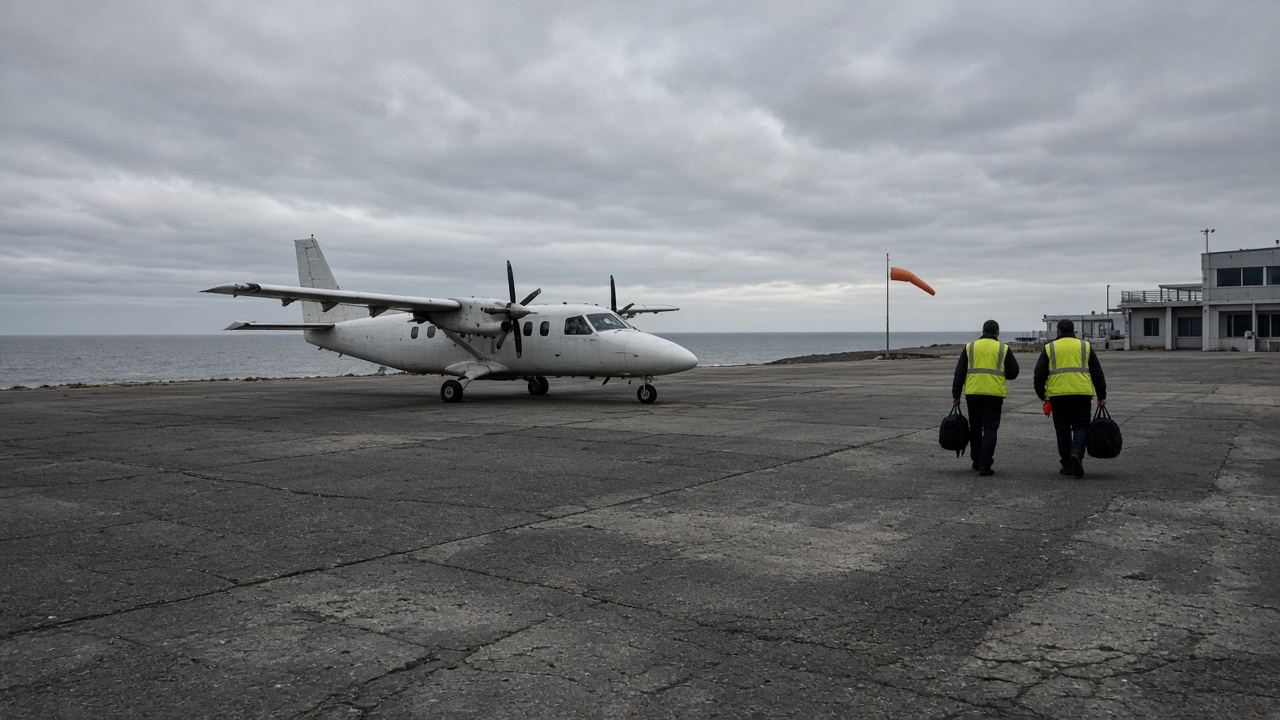
Rex Airlines will run two daily return rotations between Adelaide and Port Lincoln from September through December to move southern bluefin tuna fleet crews during changeover weeks, doubling the usual winter timetable on a route that already competes with QantasLink on the 52-minute crossing. The extra Saab 340 blocks target deckhands and factory hands who previously bused from Adelaide overnight or missed sailings when a single midday flight sold out to mining and healthcare travellers.
How crews use the route
Port Lincoln bills itself as Australia’s seafood capital; purse-seine and longline operators stage out of Boston Bay when the tuna season peaks. Crew contracts often run three weeks on, one week off—tight windows when a missed ADL–PLO leg meant a $200 taxi to Whyalla or a lost day’s pay waiting for the next Rex departure. Kayak fare trackers show return Adelaide–Port Lincoln tickets on Rex recently near $377 in economy, while Rex’s booking site still advertises one-way seats from $169 to $199 depending on date.
Rex’s schedule tool lists weekly patterns by origin-destination pair; the seasonal doubling applies through the period when major processors ramp headcount for export quotas. Unaccompanied-minor policies matter less here than excess baggage for gum boots and freezer suits, which Rex handles under standard regional allowances if packed within the 23-kilogram checked limit.
Costs versus the highway
Driving the Eyre Highway from Adelaide to Port Lincoln takes roughly seven hours without stops—twelve if you share a station wagon with three shipmates splitting fuel near Ceduna. At $1.90-a-litre diesel and two days of lost turnaround, airlines argue the $199 seat is cheaper for employers who bill crew travel as operating expense. QantasLink still flies the corridor; Rex’s pitch is frequency and Port Lincoln terminal proximity to the tuna wharves compared with parking at Adelaide Airport’s long-term lot for fly-in managers.
Accommodation in Port Lincoln tightens when fleet crews arrive together; moteliers near Tasman Terrace said Tuesday night Rex arrivals book out when the second rotation lands before 6 p.m. Visitors chasing tuna charters benefit from the same seats, but Rex sales data cited by local tourism boards show most new bookings are corporate accounts tied to seafood exporters.
Operational limits
Regional Express has rebuilt capacity after broader network restructuring; adding a second daily ADL–PLO pair depends on aircrew bases in Adelaide and aircraft freed from Queensland regulated routes that shift during Burketown runway closures listed on Rex’s schedule notices. Weather diversions to Whyalla or Ceduna still happen on southerly busters in October; crews carry satellite phones because the highway can close when salt spray reduces visibility on the coastal plain.
Qantas continues parallel service; neither carrier publishes tuna-crew block figures separately from public load factors. Fisheries compliance officers note more Adelaide-based observers can reach Port Lincoln for landing inspections when flights align with offload times—a secondary benefit regulators mention in industry briefings.
What travellers should book
Rex recommends booking the crew-change rotations three weeks ahead; walk-up seats disappear when mining fly-in-fly-out traffic overlaps tuna turnaround. For Adelaide residents chasing a long weekend on the Eyre Peninsula, the story is simpler: twice as many chances to land before lunch, walk the foreshore, and fly home Sunday without burning a day on the road—provided you do not need a car in a town where the taxi rank sits outside the terminal door.