Sudan’s army pressed an offensive in western North Kordofan on Monday with airstrikes on Rapid Support Forces positions, while RSF drone attacks on the state capital El Obeid killed two people and injured 22 others Sunday, according to Egyptian and Sudanese media accounts. The twin developments show how the three-year war has shifted back toward Kordofan corridors that link Khartoum to Darfur, with both sides using air power to strike deep behind front lines.
Ahram Online, citing Al-Qahera News, reported that army aircraft hit RSF-held areas west of North Kordofan as ground units advanced toward the state’s western reaches, part of what Sudanese outlets described as a fourth consecutive day of army gains across Kordofan. Reinforcements were moving into the region, the correspondent said, as commanders aim to secure routes toward West Kordofan and eventually Darfur, where the RSF still holds key cities including El-Fasher.
Army push in North Kordofan
Sources quoted by Ahram and regional broadcasters said strikes focused on localities including Al-Mazroub and Sodari, where the army has tried to dislodge RSF units from towns that control access to grazing land and trade roads. The army said Sunday its air defences shot down a hostile drone near Al-Kukaiti, one of several areas it claimed to have recaptured in recent days. Those battlefield assertions could not be independently verified, but satellite imagery analysts have tracked expanding army footprints along the western strip of North Kordofan since a major operation launched last week.
Army chief of staff statements accusing Ethiopia of allowing RSF drone launches from across the border added a diplomatic irritant to the military picture, though Addis Ababa has previously denied facilitating paramilitary flights. For Khartoum’s generals, success in Kordofan would loosen the RSF stranglehold on El Obeid, a city of roughly half a million that has absorbed tens of thousands of displaced civilians and now lives under the sound of approaching rotors.
El Obeid drone toll
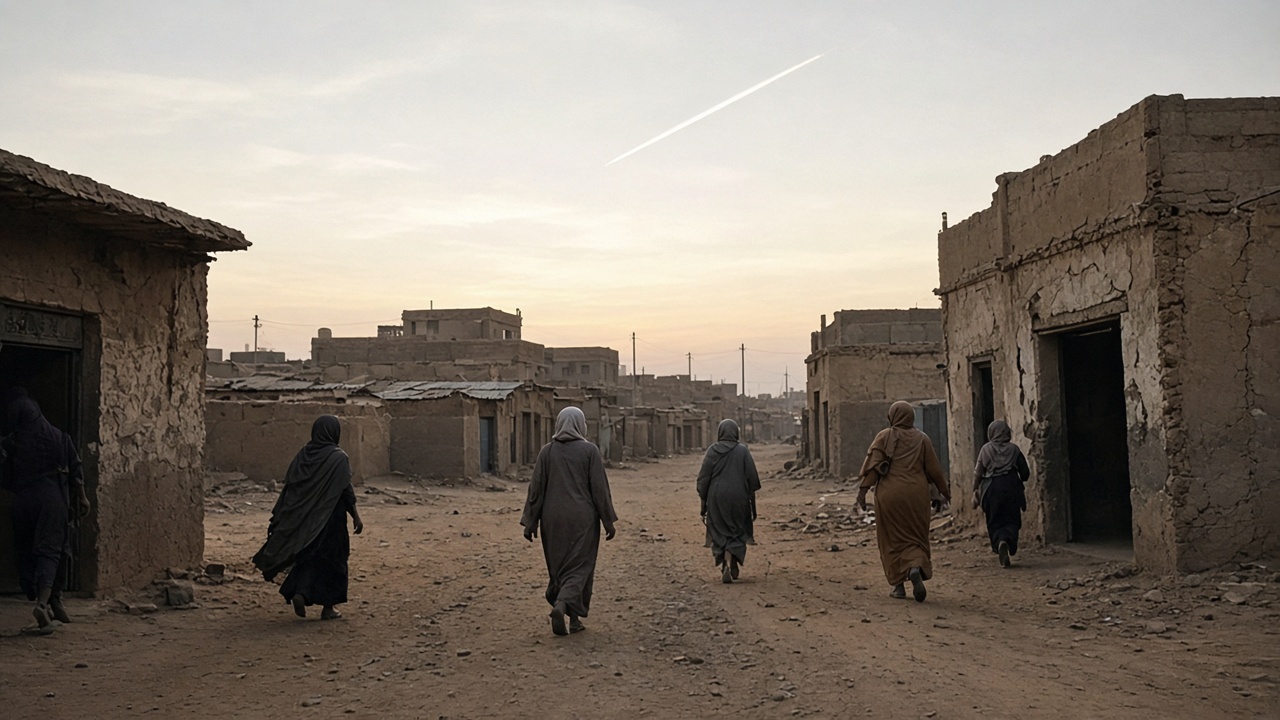
While the army bombed western positions, El Obeid endured another wave of guided drones attributed to the RSF. Radio Tamazuj, citing the Sudan Doctors Network, said attacks between dawn and midday Sunday struck several neighborhoods, killing two people and wounding 20 others—figures close to the 22 injured cited in wider reporting. Local sources told Darfur24 and Sudan Tribune that drones hit the headquarters of the army’s 5th Infantry Division, areas around El Obeid airport, and a finance ministry compound, triggering explosions heard across the city.
The doctors network condemned strikes on residential areas as violations of international humanitarian law and called for pressure on RSF leadership to halt attacks on civilians. El Obeid has seen repeated drone campaigns in 2026; the UN human rights office documented dozens of civilian deaths from similar strikes earlier in the year, with fuel stations, schools, and water points damaged. Sunday’s casualties extend a pattern in which military targets and civilian infrastructure sit blocks apart in a city where markets still operate under fear of the next alert siren.
Why Kordofan matters
Control of North Kordofan determines whether the army can reopen overland supply lines to Darfur and whether the RSF can threaten Khartoum’s hinterland from the south. Reuters reporting from earlier in the summer described El Obeid as strategically vital, with both sides reinforcing positions as drone warfare intensified nationwide. Aid groups including Médecins Sans Frontières warn that front lines now sit within tens of kilometers of the city, squeezing hospital fuel stocks and raising transport costs for families already facing famine conditions in parts of Sudan.
Neither the army nor the RSF has shown willingness to return to cease-fire talks that collapsed after the war began in April 2023. Monday’s combination of army air raids and paramilitary drone reprisals suggests commanders still believe battlefield gains trump negotiation. For residents of El Obeid, the political logic is secondary to sheltering from the next sortie—whether it comes from a Sudanese air force jet over Sodari or an RSF drone over a neighborhood street.