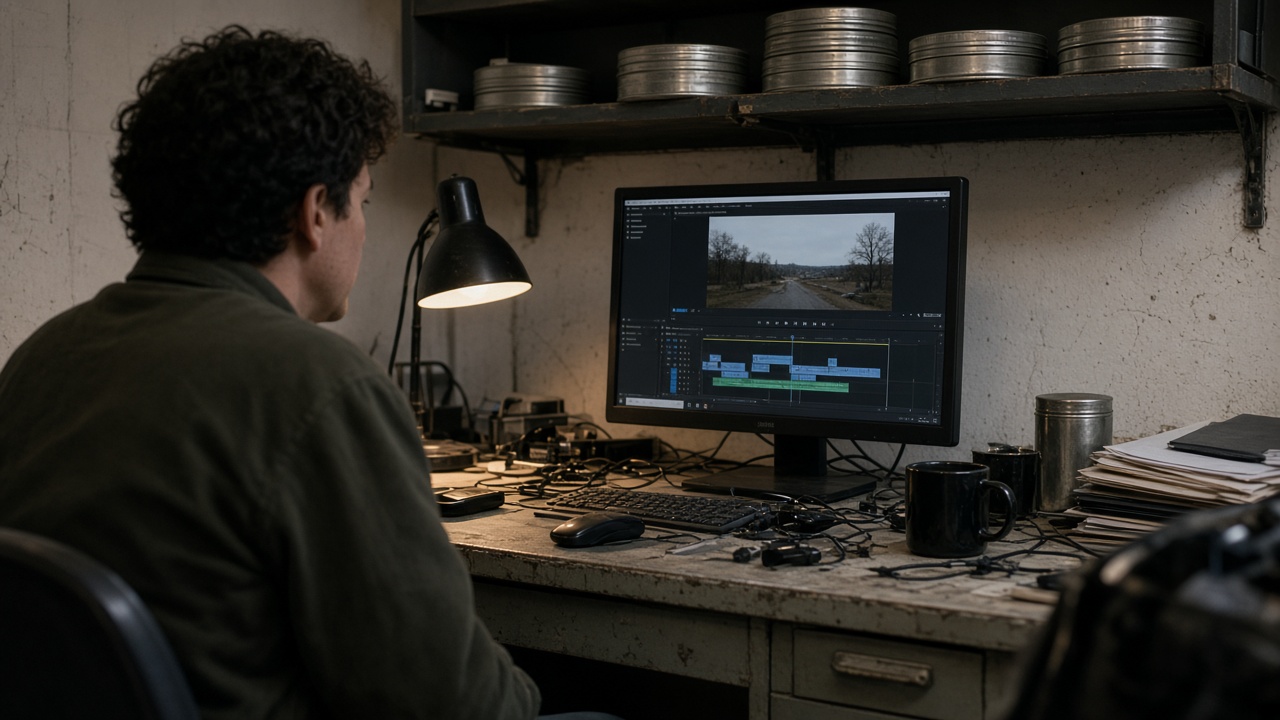
The Taiwan Film Institute began accepting completion-grant applications for micro-budget documentaries that stalled when location permits expired or crowdfunding slowed after the Mid-Autumn holiday, according to guidelines filmmakers received Monday and reviewed by InfoHandle. Grants cap at NT$800,000 per project and cover post-production, sound mix, and festival submission fees—not new shooting days—reflecting a pipeline where dozens of COVID-era starts never reached premiere status.
What the money can buy
Eligible works must be at least 70 percent photographed, with a locked picture edit and a delivery plan within nine months. Funds may pay colorists, subtitle artists, archival clearance lawyers, and accessibility tracks; they may not finance lead actors’ deferred fees or buy out music rights above the published ceiling. TFI said priority goes to Hokkien, Hakka, and indigenous-language documentaries whose broadcast windows would otherwise miss Golden Horse submission deadlines in August.
Grantees must screen at one TFI-partner festival and upload a five-minute classroom clip for licensed educational use—a concession PTS negotiated so public money yields reusable civic material.
Who is applying
Producers in Kaohsiung port neighborhoods and Taichung night-market corridors dominate early inquiries, many pivoting from abandoned fiction shorts when insurance for crowd scenes priced them out. A Pingtung crew documenting betel-nut stand matriarchs said their Indiegogo plateaued at 42 percent after donors spent travel cash on holiday visits home; completion funds would pay a mixer who already cut a rough on deferred wages.
Student co-productions are eligible if a registered company holds copyright; university labs may not double-bill equipment grants.
Strings and ownership
TFI takes a non-exclusive five-year streaming license for a festival portal, not theatrical distribution rights. International sales remain with producers, but grant contracts require revenue sharing if Netflix-style buys exceed NT$3 million—a clause added after a 2024 dispute over a migrant-worker documentary sold twice. Mainland co-productions are excluded from this round; culture ministry officials cited cross-strait content review unpredictability.
What completion does not fix
Archival news footage from defunct stations still costs thousands per minute; grants will not cover protracted fair-use litigation. Dolby Atmos mixes are optional, not scored, acknowledging theaters that never upgraded after pandemic closures. Rachel Lee’s desk notes the policy is less a rescue fund than a finishing school: TFI wants world premieres that justify tourism bureau subtitles, not infinite rough cuts.
Timeline
First committee decisions are slated for late October; funded projects must premiere domestically before exporting to Hong Kong or Southeast Asian documentary showcases. For filmmakers, the actionable step is inventory: list missing legal releases before applying, because auditors rejected 18 percent of last year’s files for unsigned township oral-history consent forms.
Sound designers who worked the 2024 completion cohort said the grants most often rescued projects stuck between a rough cut and a festival DCP—where NT$200,000 color passes feel optional until a programmer rejects projection. TFI will host two Kaohsiung office hours for producers who need help translating budget lines into the online portal, a concession after last year’s dropouts cited form fatigue rather than creative block.