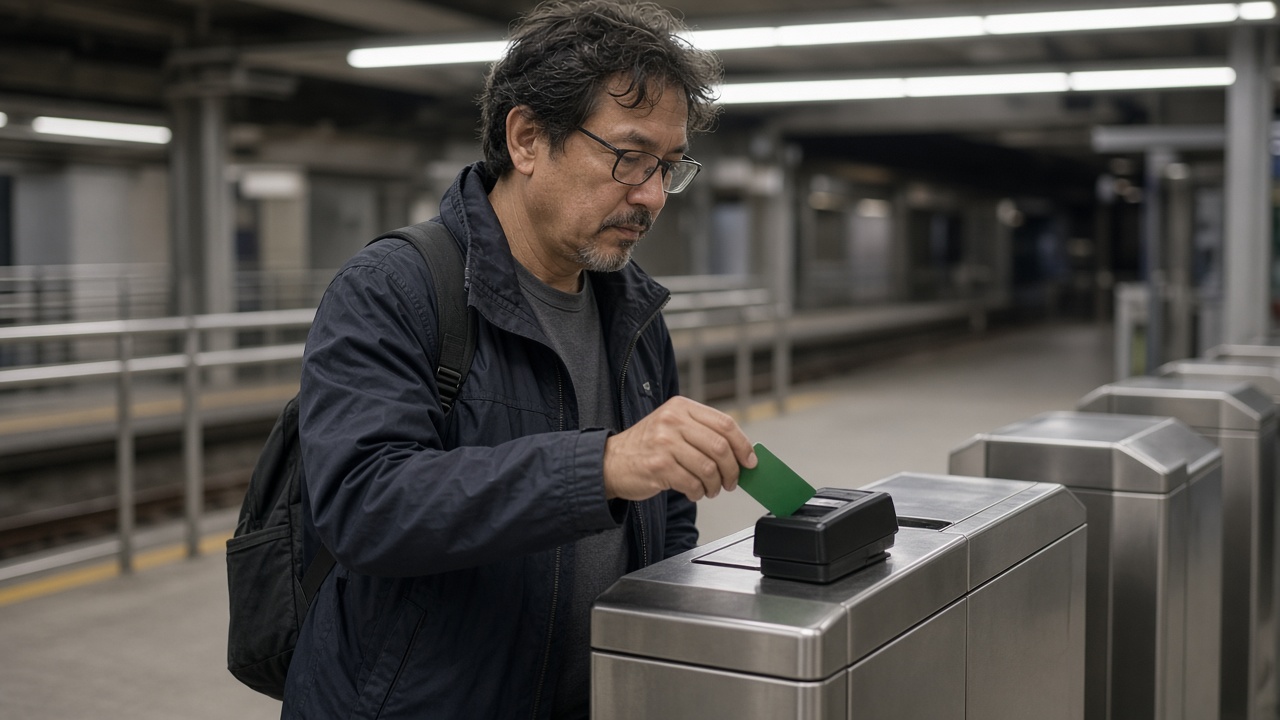
Translink adjusted how go card top-up rebates and reversals work as South East Queensland moves toward harmonised fares under the 50-cent flat rate and a wider smart-ticketing rollout. The changes matter to households who load credit online or via auto top-up but travel less often than they expect: if a top-up is not tapped on within a set window, the operator returns funds to the payment card, a feature that quietly acts as a rebate for dormant balances. Translink's September customer bulletin narrows communication around those reversals while keeping cash top-ups at fare machines for passengers without debit cards.
What changed for top-ups
Registered go card holders can still add A$10 to A$200 online, or A$5 to A$200 by phone, using Australian Visa and Mastercard debit and credit products. Auto top-up triggers when balances fall below five dollars, with a minimum A$20 reload. The critical rule unchanged in substance but newly highlighted in harmonisation FAQs: online and auto loads that never see a tap-on within sixty days reverse to the funding card. Translink positions that as consumer protection against paying for trips never taken, effectively a automatic rebate rather than a marketing promotion.
With every journey priced at 50 cents regardless of zones on the SEQ network, older eight-journey-then-half-price schemes matter less on paper, though archived pages still describe weekly journey counts for passengers on legacy concession cards. Harmonisation here means one fare table, one rebate logic, and clearer messaging before contactless bank cards fully replace plastic for adult fares on rail.
Brisbane commuter dollars
Nathan Price's desk models household impacts in actual dollars: a family of four making return school and work trips five days a week spends eight dollars a week at the flat fare, before parking or missed-tap default charges of A$2.50. A forgotten tap-off still hurts more than the fare itself. Translink encourages balance adjustments within 120 days through online accounts, a separate remediation path from top-up reversals.
Smart-ticketing project director Sarah Capstick has previously urged passengers migrating to bank-card taps to reclaim go card balances first, because dormant cards can transfer value to Translink after five years of inactivity while remaining refundable on request. Harmonisation updates coincide with that migration, reducing double-loading when commuters keep both a go card and a wallet phone.
Cashless network edges
SEQ remains cashless for onboard fares, but machines and retailers still accept cash to load go cards, an equity detail for passengers without Australian-issued cards accepted online. Minimum top-ups at attended Queensland Rail windows follow the same reversal rules once loads are electronic. Tourists using international cards at stations may still face rejection online while fare machines take broader schemes, a friction point the September bulletin addresses with a station finder link rather than new fees.
Concession green cards keep working physically even where concession fares no longer apply under the 50-cent policy, a transitional oddity harmonisation documents acknowledge. Rebates on unused value become more important when there is no longer a large balance sitting on cards used weekly.
Politics and budgets
Queensland Treasury funds the 50-cent fare experiment; Translink operational rules determine how much value flows back to banks through reversals versus staying on cards. Finance journalists track reversal rates as a hidden line item. The September shift is not a fare rise; it is admin timing aligned with harmonised customer communications before the next state budget sitting.
Opposition transport spokespeople have focused on service frequency rather than top-up mechanics, but community legal centres said clearer reversal emails reduce complaints from seniors who feared they lost money when balances dipped without travel.
What to do before October
Passengers should register cards, enable auto top-up only if they ride weekly, and tap on within two months of any online load to avoid a reversal they might misread as a bank error. Harmonisation does not remove go cards overnight; it makes their economics simpler at 50 cents a swipe while Translink standardises rebates and warnings so Brisbane, Ipswich and Gold Coast riders see the same small print.