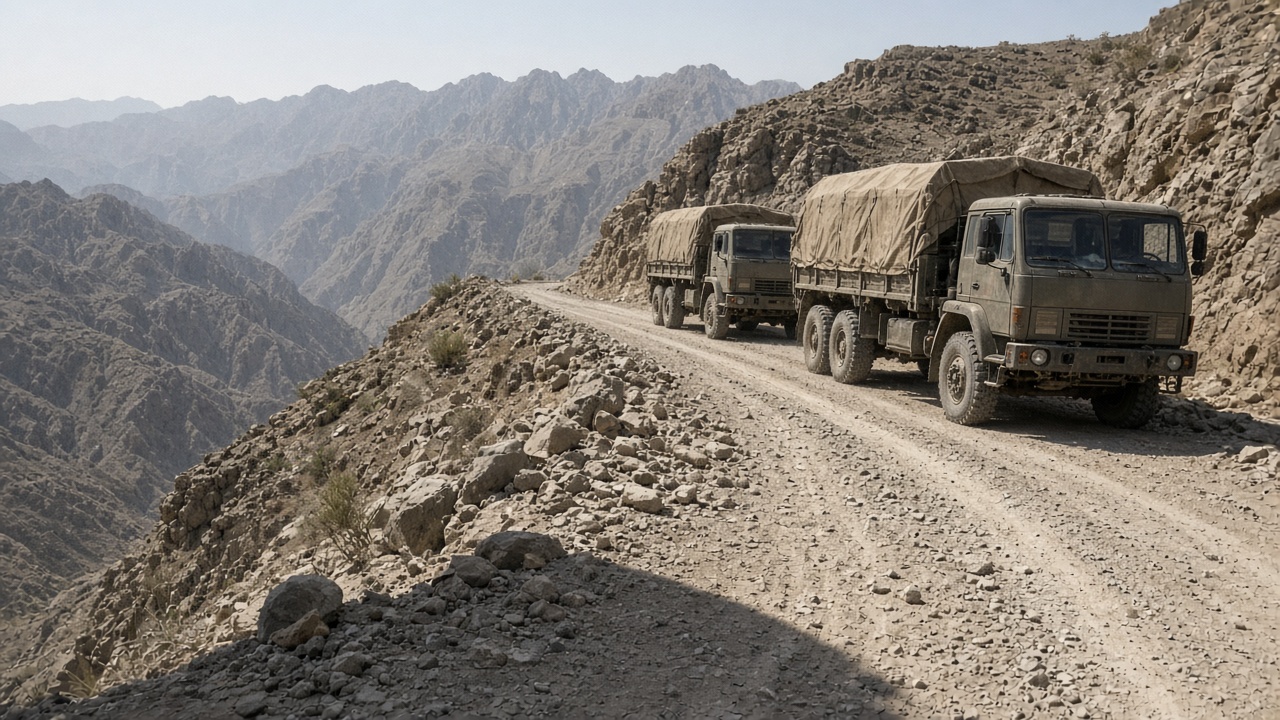
Houthi forces pushed Monday to seize heights that could sever Yemen’s Red Sea coast from pockets still held by Saudi-backed troops, according to Reuters, as diplomats absorbed a report that President Donald Trump aborted U.S. airstrikes against the group at the last moment. The New York Times said the administration had prepared Sunday attacks after urgent appeals from Saudi Crown Prince Mohammed bin Salman, only for Trump to halt the operation even as personnel were loading ordnance onto aircraft.
The battlefield focus is Al-Wazi’iyah district in Taiz province, a mountainous corridor linking the Red Sea to Yemen’s interior. Control there would complicate resupply for anti-Houthi units and tighten the group’s grip on shipping lanes already subject to sporadic missile and drone fire. Fighting intensified over the weekend as both sides traded artillery in terrain that has changed hands repeatedly since the wider regional war expanded earlier this year.
Riyadh’s weekend alarm
Houthi media said the group struck Riyadh over the weekend for the first time since the latest escalation began, a claim Saudi authorities have not fully detailed in public readouts reviewed by international agencies. The reported U.S. strike package was framed inside Washington as a response to those pressures on a key ally, yet the last-minute stand-down fits a pattern of Trump weighing public backlash and oil-market stability before authorizing new Middle East sorties.
Saudi Arabia has continued its own air campaign while seeking American firepower against Houthi launch sites. A canceled U.S. mission leaves Riyadh to calibrate how aggressively it can strike without widening the Red Sea insurance crisis that has already fed into global freight costs.
Why the highlands matter
Taiz sits between Houthi-held territory and the government’s nominal seat in Aden. Heights above Al-Wazi’iyah overlook roads that move goods between the port of Mocha and inland population centers. Analysts tracking the war said a Houthi consolidation there would not end the conflict outright but would shrink the space for UN-backed cease-fire talks that have stalled since the Iran front reopened.
Civilian convoys have faced checkpoints and shelling along the mountain passes, according to aid groups, though full casualty counts lag behind front-line reporting. The geography favors defenders who know the wadis, which helps explain why the push has been grinding rather than decisive.
Washington’s calculation
White House officials declined to confirm the Times account on the record Sunday night, but congressional staffers briefed on Middle East posture said Yemen strikes remained on contingency lists even after the reported abort. Trump’s Iran rhetoric over the weekend dominated headlines, yet the Yemen file shows how entangled the theaters are: Riyadh wants Houthi capabilities degraded while Washington tries to avoid a second open-ended air war.
For shipping insurers, the lesson is that Red Sea risk can spike on a Sunday planning cycle even when bombs never leave the flight line. For Yemen’s civilians, the more immediate concern is whether the highland battle becomes another fixed front in a war that has already displaced millions. The next U.S. decision may arrive as quietly as this one reportedly ended—with orders withheld after loads were already on the ramp.