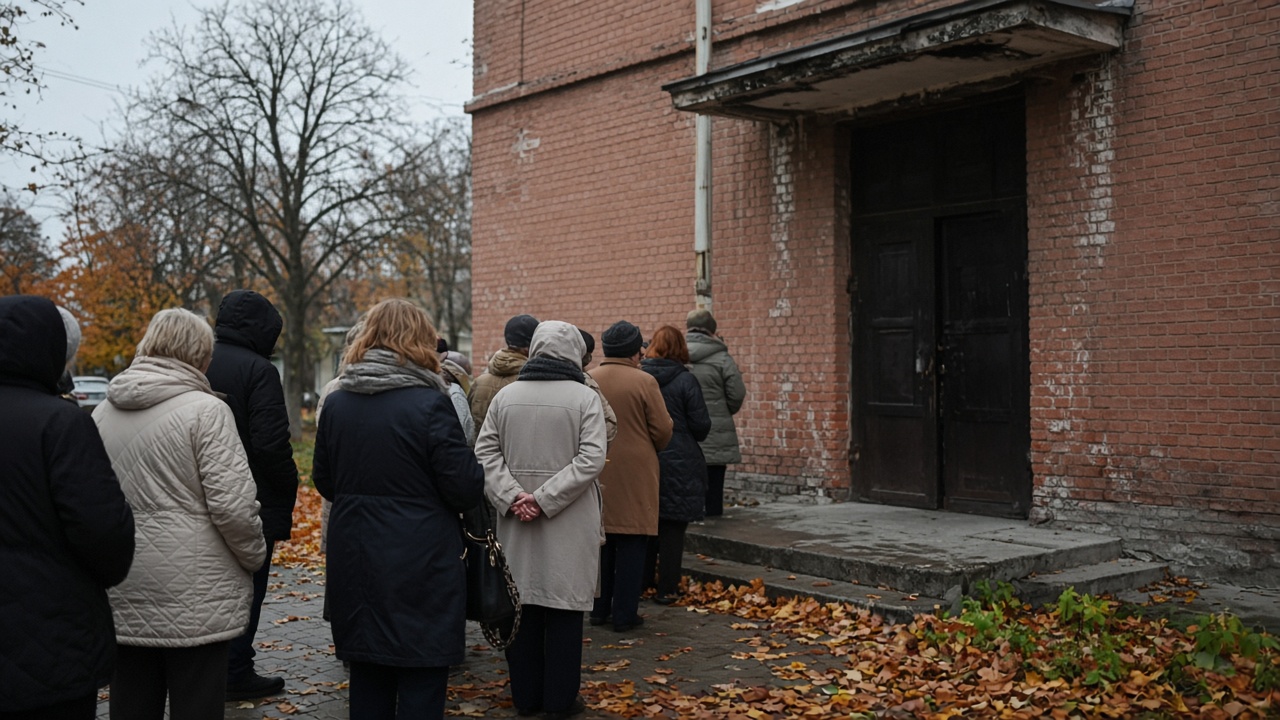
Russia’s ruling United Russia party won 57.83% of the vote in a parliamentary election that President Vladimir Putin cast as a wartime test of national unity, the Central Election Commission said Monday after more than 95% of ballots were counted. The share was up from the 49.82% United Russia recorded in 2021, the last contest for the State Duma, and enough to preserve the Kremlin’s constitutional majority in the lower house even before allied parties are allocated seats.
Voting ran Friday through Sunday across 11 time zones, with early turnout figures reported above 60% in some regions. Opposition figures who might have challenged the ballot were either barred, in exile or boycotting a process they described as a managed plebiscite. Independent monitors from the Organization for Security and Co-operation in Europe did not deploy a full mission, citing restrictions Moscow imposed after the 2022 invasion of Ukraine.
What the Kremlin is selling
Putin told voters that backing United Russia meant backing soldiers at the front and stability at home. State television led newscasts with images of servicemen casting ballots in occupied Ukrainian territory and of factory workers praising pension indexation. Communist Party leader Gennady Zyuganov, whose faction traditionally places second, complained of “administrative pressure” but still urged supporters to participate so the party could retain committee chairmanships.
Western governments dismissed the election as illegitimate in territories Russia claims to have annexed. Ukraine’s foreign ministry said any vote held in Donetsk, Luhansk, Kherson or Zaporizhzhia regions violated international law. The U.S. State Department said it would not recognize results from those areas, though it stopped short of calling for new sanctions solely on the election night.
Numbers that matter inside the Duma
United Russia’s improved headline share does not automatically translate into new war powers—the Duma already rubber-stamped mobilization measures and budget increases—but it gives Putin a cleaner narrative before winter campaigning in Ukraine. Kremlin advisers have told foreign interlocutors that a strong showing reduces pressure from nationalist hawks who want broader conscription and from economic technocrats worried about inflation near 8%.
Communists were tracking near 19% in partial returns, with the Liberal Democratic Party of Vladimir Zhirinovsky’s successors and the Just Russia party splitting the remainder. None of the systemic opposition parties called for an end to the war; their debates centered on pension timing and regional infrastructure spending.
What comes next
Final seat allocations and committee assignments will be announced after the commission certifies results later this week. Diplomats in Moscow expect Putin to use the margin in speeches at home and in messages to partners such as China and India, arguing that Western isolation has failed to break domestic support for the invasion.
For Ukraine and NATO capitals, the outcome confirms what intelligence assessments already assumed: there is no electoral off-ramp visible inside Russia. The practical question shifts back to battlefield aid, sanctions enforcement and whether Ukraine’s allies can sustain funding through another heating season—not to whether Sunday’s count might suddenly empower a peace faction in the Duma.