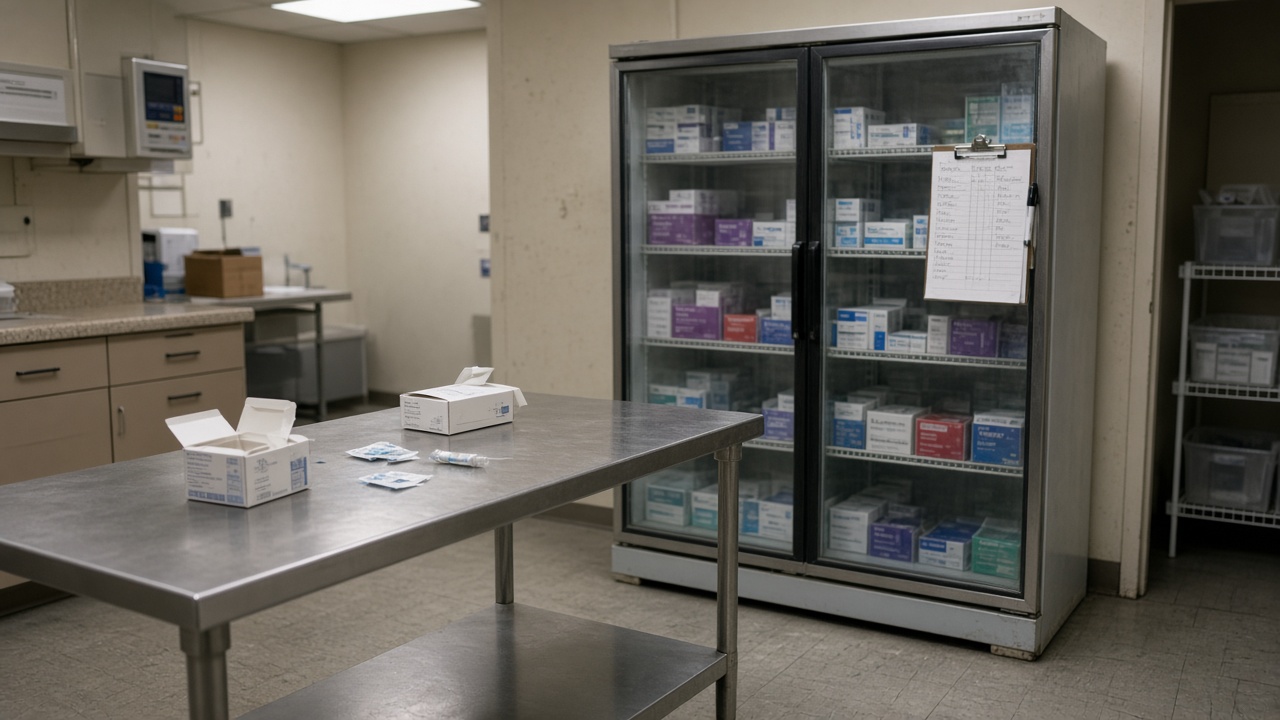
Western Sydney Local Health District has asked participating pharmacies to log every positive respiratory syncytial virus result from TGA-listed nasal rapid antigen kits in the same temperature-monitored fridges that hold pharmacist-only stock, then fax or upload the anonymised line list before 4 p.m. so after-hours GPs can prioritise infants under six months. The protocol does not replace notifiable-disease reporting to NSW Health; it adds a local triage lane as WentWest primary health network data show RSV notifications in the district tracking an early 2026 season with more than 5,000 cases logged statewide by May.
What pharmacies must record
Under the district memo circulated last week, pharmacies that sell combination COVID-19, influenza and RSV self-tests must separate unused kits from returned positives in a dedicated 2–8 °C compartment and note batch number, ARTG identifier and time of read on a paper ledger the district audits monthly. Pharmacists may counsel on self-care but cannot prescribe antivirals; a positive RSV line triggers an automatic SMS template urging carers to book a GP within 24 hours if the child is wheezing, feeding poorly or under three months old.
The Therapeutic Goods Administration has listed multiple nasal-swab combo kits since 2024, including products from Hangzhou Alltest and Assure Tech suppliers; district officials said they are not favouring one brand but will reject results from kits past shelf life or stored above labelled temperatures. Independent Pharmacies Australia runs point-of-care flu and COVID testing at selected NSW sites, but Western Sydney’s push targets suburban shops already selling combo RATs over the counter.
Why fridges matter clinically
RSV immunoassays are stable at room temperature until opened, yet pharmacists reported parents leaving completed swabs in cars during school pickup; false negatives climbed in spot checks at two Blacktown sites in August. Fridge storage after reading preserves the control line for photograph upload if a GP disputes the result. NSW Health’s notifiable disease dashboard still lags pharmacy point-of-care by days when GPs rely on PCR confirmation at hospital labs.
WentWest’s bulletin to GPs this month cited a jump from 601 Western Sydney notifications in late 2022 to 12,829 in 2025 after RSV became notifiable in September 2022, and warned 2026 is mirroring that curve. Absolute risk for healthy older children remains low, but bronchiolitis admissions at Westmead and Blacktown hospitals filled spare cot capacity on two weekends in August, prompting the district to treat pharmacy positives as an early warning rather than waiting for emergency presentations.
GP and parent math
Carers paying roughly $50 for a five-pack combo test at retail need to understand a positive RSV line is not an automatic emergency visit; the district’s callback nurses use an Ottawa-style infant respiratory distress checklist over the phone. GPs can request rapid PCR at WiSE Pathology Macquarie Park and similar hubs where a 15-target respiratory panel returns in about 30 minutes, but those sites sit east of the district’s heaviest caseload in Mount Druitt and Liverpool corridors.
TGA guidance still requires negative RAT users to follow current isolation advice for COVID-19 where applicable; combo kits do not distinguish viral load, only antigen presence. Pharmacists must not display district triage posters as therapeutic claims—the memo explicitly bars language implying TGA approval extends to the district workflow.
What happens next
The trial runs through November 2026 unless NSW Health folds pharmacy RSV logging into a statewide portal. District executives will compare fridge-log positives against hospital bronchiolitis admissions weekly; if correlation holds, WentWest may fund evening telehealth blocks for GP practices that accept pharmacy-referred infants. For now, the operational story is mundane cold chain and paper logs—how Western Sydney turns pharmacy fridges into the first rung on an RSV ladder before winter peak demand.