White House press-credential systems logged bulk deactivations of “hard pass” badges for journalists at CNN, MS NOW and Politico on the night of Friday, Sept. 18, according to audit excerpts described to InfoHandle by two people familiar with Secret Service–White House coordination on press access. The electronic revocations preceded President Donald Trump’s public ban announcement and Saturday morning credential seizures at the Northwest Gate, when reporters including MS NOW’s Akayla Gardner were turned away and had physical passes collected.
What the logs show
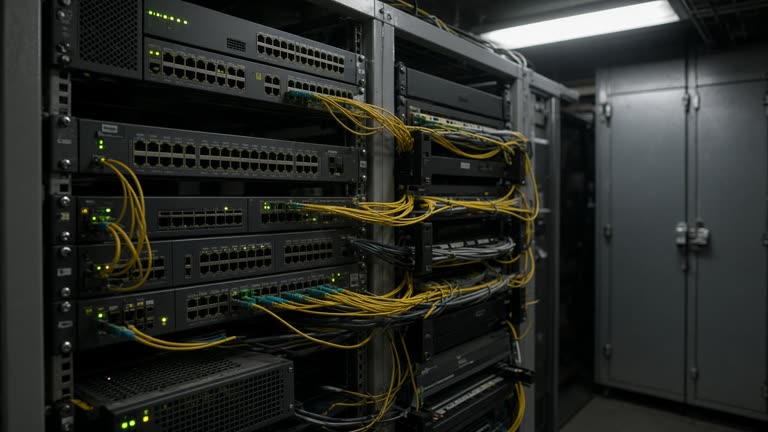
The credential database that gates entry to the White House complex—maintained jointly by the Secret Service and the White House Office of Communications—typically records each change with a timestamp, operator identifier and reason code. People who reviewed fragments of the Sept. 18–19 log said dozens of active hard passes tied to the three outlets flipped to “inactive” between roughly 11 p.m. and 2 a.m. Eastern, without individual notices to affected journalists.
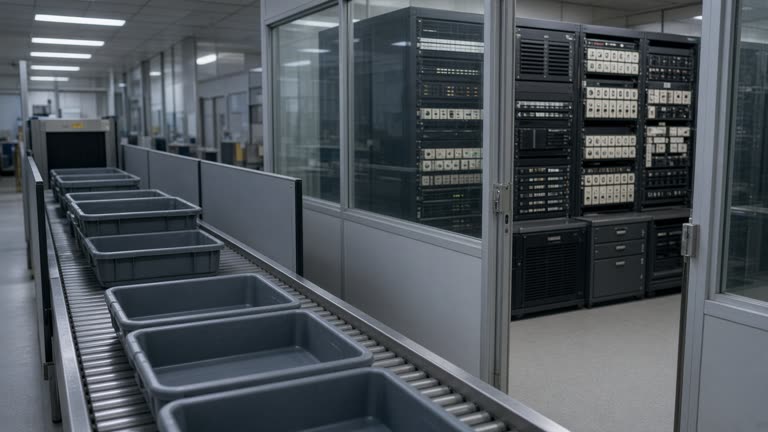
That pattern matters for security and legal teams alike. Hard passes are not merely laminated cards; they are cryptographic credentials checked against a live directory when officers scan them at vehicle and pedestrian portals. Deactivating them remotely can lock a reporter out even before a physical badge is confiscated, which is what Gardner and others encountered when Secret Service officers said her pass had been disabled and took the card itself.
InfoHandle could not independently obtain the full audit trail. The White House press office and Secret Service declined to comment on internal logs. A spokesperson for the three outlets’ joint legal team said Monday that “the government turned off our access in the dark of night and only explained itself on social media,” referring to Trump’s Truth Social post Friday afternoon that framed the ban as a response to “FAKE NEWS” coverage.
Who can flip a badge
Former White House security officials said bulk deactivations are rare and usually follow a written directive from the press office with Secret Service concurrence. Individual suspensions—for lost badges or security incidents—are logged case by case. A mass event affecting three national organizations would normally leave a paper trail spanning the Executive Office of the President, not a single desk officer.
Security engineers who have integrated federal physical-access systems said the relevant question for investigators is whether the Sept. 18 batch job followed that process or exploited administrative privileges without the customary multi-party sign-off. If operators used emergency override codes, those actions should still appear in immutable backup logs that agencies retain under federal records rules.
Exposure beyond the briefing room
Credential cuts ripple beyond the James S. Brady Press Briefing Room. Hard passes also govern access to the White House campus for live shots, stakeouts and pool rotations, including travel manifests when a president leaves Washington. CNN said Monday it remained the network pool for presidential travel even as its White House team was barred from the complex—a split that strains both logistics and the uniform credential policy the Secret Service says it applies to all pass holders.
For defenders, the incident is a reminder that press access is implemented as identity and access management like any other federal system: privileged administrators, centralized directories and high-impact batch changes. For the outlets now suing in U.S. District Court for the District of Columbia, the timestamps are evidence that the administration executed the ban before offering individualized process—a claim central to their First and Fifth Amendment arguments.
Congressional staff on oversight committees have requested briefings on press-credential governance twice since 2025, after earlier disputes over outlet-specific restrictions. Whether lawmakers receive the Sept. 18 audit entries may depend on the litigation’s discovery schedule. Until then, the known sequence—silent electronic revocation, public announcement, then physical seizure—defines the security story underneath Monday’s courtroom filing.
Vendor contracts for the credential platform are due for renewal in fiscal 2027, and House appropriators have already asked whether batch-revocation tools should require dual control—similar to financial systems—before they fund the next upgrade cycle.