Chinese President Xi Jinping will pay a state visit to the United States from September 23 to 25 at the invitation of President Donald Trump, China’s Foreign Ministry said Monday, opting for a bilateral summit in Washington over the customary pilgrimage to the United Nations General Assembly opening in New York. The announcement reshapes a week already packed with crisis diplomacy over Iran and Ukraine, concentrating the world’s most consequential bilateral relationship in the U.S. capital instead of Turtle Bay.
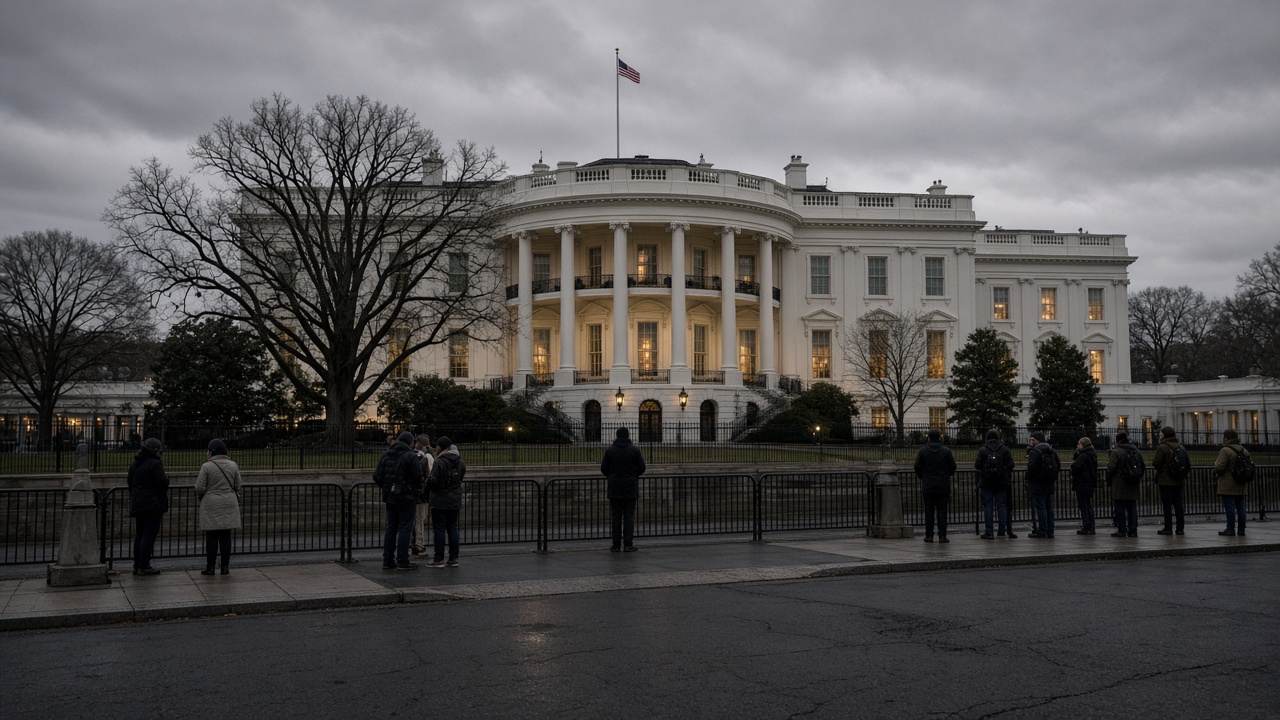
Foreign Ministry spokesperson remarks quoted by Reuters said Xi would hold “in-depth exchanges” with Trump on major issues in China–U.S. relations and on “world peace and development.” The White House said Trump and First Lady Melania Trump will host Xi and Madame Peng Liyuan on Thursday, September 24, for an official state visit—the first such ceremony for Xi at the White House in more than a decade.
Protocol signals and lowered expectations
The White House released a detailed schedule: a South Lawn arrival ceremony with hundreds of military personnel, a state dinner, tea in the Red Room, and a Friday visit to the National Archives to view historical documents tied to the two countries’ relationship. U.S. officials told reporters Trump may greet Xi personally at Joint Base Andrews, a rare gesture normally reserved for the closest allies. Analysts said the choreography aims to extract concessions on trade and technology even as both leaders face domestic headwinds.
Reuters reported that since their last meeting, Xi has overseen resilient Chinese export growth while Trump has contended with softer approval ratings and the economic drag of the Iran war. That imbalance has tempered hopes for sweeping breakthroughs; diplomats instead expect discussions on extending a trade truce forged last year and on guardrails for artificial intelligence competition.
What is—and is not—on the table
Senior U.S. officials briefing the press said AI and the future of the “Busan truce” framework would top the formal agenda, according to South Korea’s Herald Business. Taiwan remains the silent third rail: allies in Tokyo and Taipei worry that a trade-focused bargain could sideline security commitments, though the White House has not publicly linked the issues. China’s UN mission separately noted Beijing will host a development dialogue in New York on September 25, allowing senior diplomats to represent Xi while he is in Washington.
Skipping the General Assembly rostrum deprives the UN of a chance to press Xi on Ukraine, South China Sea patrols, or human rights, but fits a pattern of major-power leaders privileging direct leader-to-leader channels. It also underscores a recurring question at the UN this week: whether multilateral forums still matter when the United States and China schedule their own parallel summit across the Amtrak corridor.
Markets and allies watch
Investors are focused on whether the two sides renew tariff pauses that prevented a deeper shock to global supply chains after last year’s escalation. Chipmakers and automakers with cross-border exposure moved cautiously Monday, while currency desks weighed the possibility of yuan stability commitments tied to export quotas. In Brussels and Seoul, officials said they would parse any joint statement for language on export controls and rare-earth flows that could ripple through battery and defense supply chains.
By Monday afternoon in Beijing, state media framed the visit as a stabilizing gesture after months of rhetorical sparring, without previewing concessions. In Washington, planners were finalizing motorcade routes and protest permits as the city prepared for a “super week” that begins with UN speeches in New York and ends with a state dinner whose guest list will be parsed as closely as any communique.