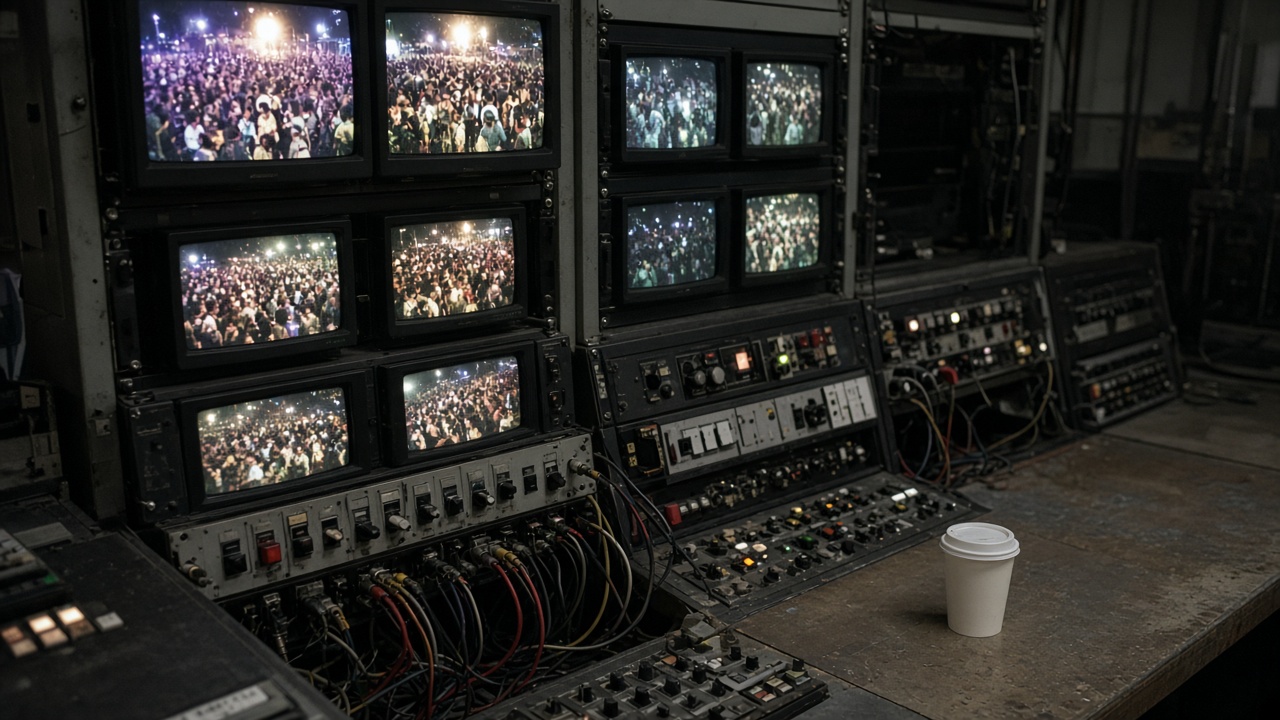
Zee Music Company locked encoder settings for its Navratri garba live streams this week after direct-to-home distributors said unpredictable bitrates were freezing set-top boxes during peak aarti hours in Gujarat and Mumbai suburbs. The label is not changing artists or venues; it is standardizing how video leaves its Mumbai master control so Tata Play, Airtel digital TV, and smaller MSOs receive feeds their legacy decoders can hold.
What partners were seeing
Engineers at two DTH operators told trade reporters that last year’s garba simulcasts spiked above eight megabits per second when drone beauty shots entered the program, then plunged during wide crowd pans—triggering buffer loops on five-year-old HD boxes common in joint-family living rooms. Zee Music’s operations team responded with a partner memo circulated Friday: a sustained six-megabit HD ladder for satellite-bound feeds, a separate three-and-a-half-megabit profile for mobile apps, and forbidden mid-show switches unless a director declares a technical emergency.
The window matters because Navratri licensing is concentrated: Zee Music holds digital rights for several high-traffic grounds in Ahmedabad and Vadodara, and DTH carriage deals still pay per tuned hour during the nine nights. A stuttering feed does not just annoy viewers; it shows up in return-path analytics as abrupt tune-away, which sales teams use when renewing garba packages.
How the encode chain changed
Instead of a single adaptive stream copied to every outlet, master control now runs parallel encodes from the same production truck feed. Satellite partners get constant bitrate H.264 with closed GOP alignment suited to statmux pools; OTT apps keep adaptive HLS for phones on 4G. Audio is locked to AAC stereo at 128 kilobits per second for DTH—enough for dhol and harmonium without the Dolby pass that some premium movie channels use.
Zee Music declined to disclose carriage fees but confirmed it hired a third-party QoS monitor to score each night’s feed against the memo. That is unusual for a music label used to promoting singles, not negotiating transport semantics with MSO headends in Noida and Chennai.
What audiences will notice
Most mobile viewers will see no branding change—same Zee Music handles, same late-night encore clips. The difference is meant for households watching on ten-foot TVs through dish antennas, where a dropped garba circle reads as a broken festival, not a clever adaptive algorithm. TRAI’s quality-of-service rules focus on tariff transparency rather than pixel-perfect dance streams, yet consumer forums in Surat still log complaints when religious programming buffers; operators pressured Zee Music because garba hours overlap with prime news slots they also carry.
After Navratri
The locked profiles expire Oct. 6 unless partners agree to extend them for Diwali concert simulcasts. Zee Music said it will publish a short post-season report on tune stability—data the label can take to next year’s ground committees when bidding live rights. For now the story is infrastructure dressed as devotion: the same garba, encoded so a 2019 set-top box in Rajkot can keep time with the dandiya line.