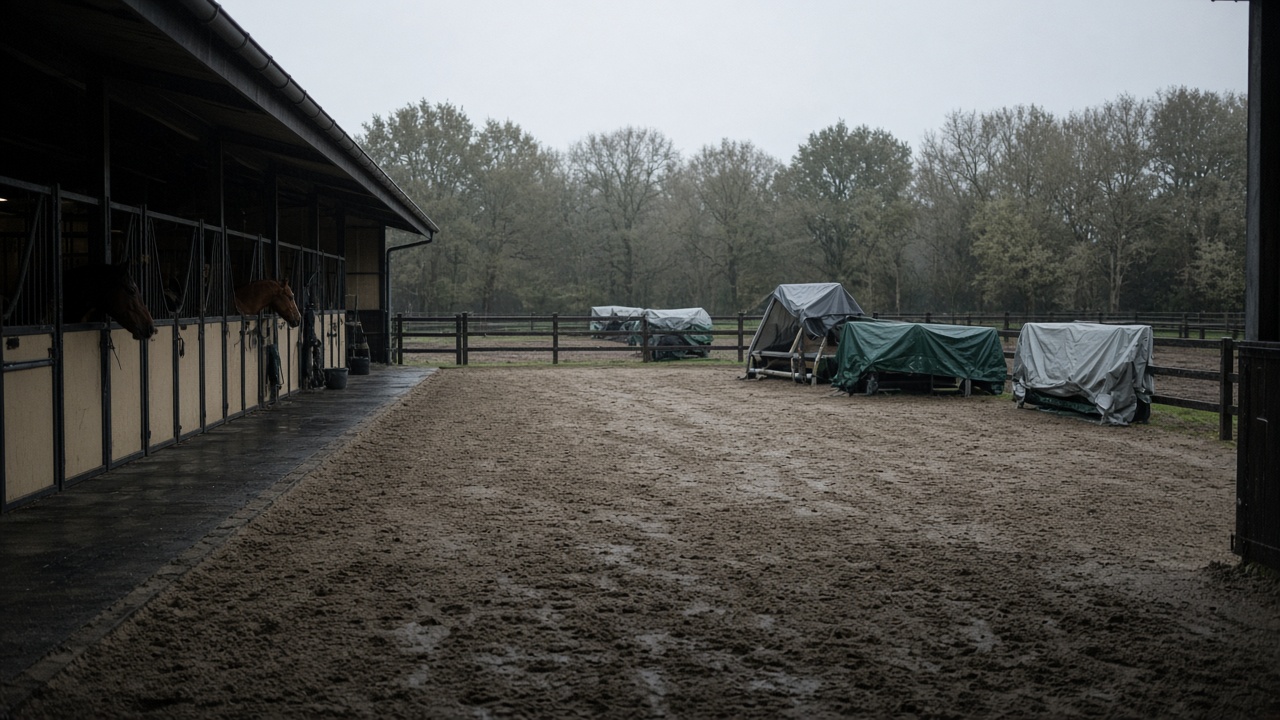
Asian Games 2026 branding centers on Aichi and Nagoya, but Monday’s equestrian eventing start was always slated for the JRA Equestrian Park in Setagaya, Tokyo—two Olympic cycles of history on clay footing that hates typhoon rain. Organizers headquartered in Nagoya postponed the cross-country phase to Tuesday after the Japan Meteorological Agency warned that Typhoon Dujuan could bring linear rainbands across Kanto even as central Japan watched cloud decks build.
Result and institutional call
No rider posted a finish on Monday; the FEI schedule for EQU01 showed an 9:30 a.m. start that never left the holding barns. Team managers from Japan, Korea, and Hong Kong received alerts before dawn that footing crews could not safely prepare a 5,700-meter course with more than 300 millimeters possible in surrounding prefectures. Sportstar and other outlets reported the shift as precautionary—Nagoya venues had not yet seen destructive winds, but Tokyo’s road and rail links to horse transport were degrading fast.
Eventing’s three phases make weather risk asymmetric: show jumping can move indoors, but cross-country on open turf becomes a concussion and equine-lameness hazard when subsurface drainage fails. Ground juries had inspected sand mixtures after Sunday’s drizzle; Monday’s forecast crossed FEI thresholds for sustained gusts at jump combinations near tree lines.
Rules, money, and bodies
National federations charter lorries with strict rest rules for horses; delaying a day cascades into stable bedding contracts and grooms’ overtime. Japan’s team—host nation with medal pressure—had planned spectator shuttles from central Tokyo; those tickets will be revalidated rather than refunded, according to the venue’s published schedule grid that now prioritizes Tuesday’s EQU02 block.
Athletes already in Tokyo faced monorail slowdowns and taxi shortages as Silver Week travelers scrambled. Farriers and veterinarians on standby still billed holding fees, a line item smaller nations flag when budgets were set in Nagoya planning sessions two years ago.
Why Nagoya’s name is on the alert
AINAGOC operations run from Aichi, meaning typhoon decisions for a Tokyo discipline pass through the same command center monitoring archery in Mie and sailing on Pacific coasts. Dujuan’s track—brushing Chiba and Tokyo before accelerating east—lets Nagoya feel spared while still responsible for a capital-region venue. Organizers emphasized that indoor sports in Aichi continued Monday morning, underscoring the split geography of this Games.
Tuesday’s window opens earlier, at 7 a.m. venue entry, to squeeze dressage warm-ups before humidity rises. If rain persists, jumping phases could compress into Thursday’s EQU04 card, threatening television blocks sold across East Asia.
For sports fans in Nagoya, the headline is transport, not turf: a typhoon near Tokyo still reaches their medal table because equestrian lives in Setagaya. The contest did not happen Monday; the institution moved it one day, betting the storm’s tail will spare both horses and the Shinkansen slots they ride.