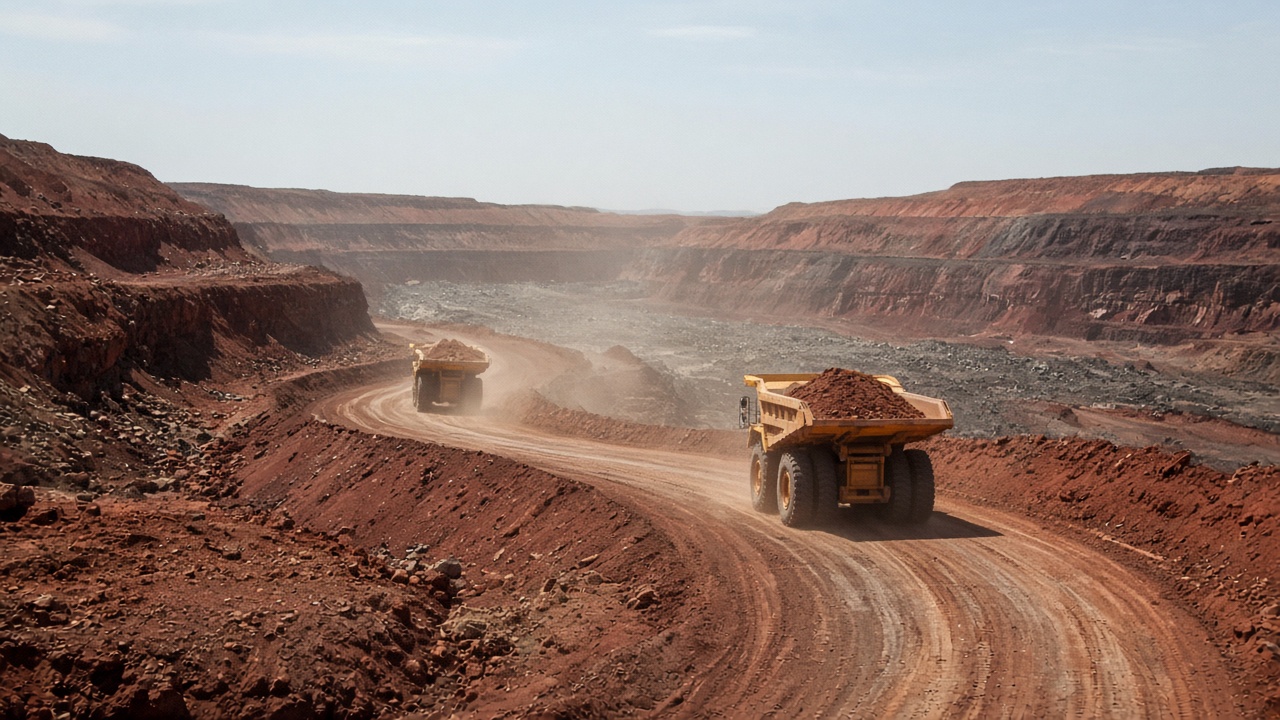
BHP Group and Rio Tinto shares found buyers again as commodity markets sent mixed signals that, on balance, favoured diversified miners. A sharp overnight drop in crude prices eased fears about diesel bills at Pilbara pits, while iron ore held near $97 a tonne and copper futures firmed—enough for the ASX materials bench to rebound even as energy stocks faced margin questions.
Why oil matters to iron ore giants
Open-pit mining runs on diesel. Haul trucks, drills, and generators consume enormous fuel volumes, and seaborne freight costs move with Brent. When oil spiked above $100 a barrel earlier in September, brokers warned that BHP and Rio could see unit cost guidance pressured even if iron ore prices stayed flat. Kalkine Media noted that rising bond yields compounded the problem by lifting discount rates on long-life assets.
Tuesday's pre-market setup looked different. The Australian Financial Review reported crude falling sharply as Wall Street rallied, with Treasury yields retreating. That combination helps miners on both the cost and valuation sides: cheaper fuel feeds straight into C1 cost curves, while lower yields support equity multiples for copper-heavy earnings streams.
How BHP and Rio diverge
BHP enters the 2026–27 financial year with copper contributing a larger share of earnings than iron ore, according to sell-side research that highlighted record production in both commodities. Rio Tinto brings Simandou iron ore and Arcadium lithium into the narrative, but still moves with the bulk index on any given Sydney session.
When materials outperform, BHP and Rio typically account for a double-digit slice of ASX 200 index moves because of their weight and liquidity. Fortescue often joins the cluster, though its single-commodity focus makes it more sensitive to iron ore alone. Tuesday's rebound was classic beta trade: buy the miners when oil slides and growth fears ease.
Inflation bets and the RBA
Traders were also repricing Australian rate expectations. Cheaper oil reduces near-term headline inflation pressure, potentially giving the Reserve Bank room to pause after a September hike—though no major bank has called cuts. For Rio and BHP, the sweet spot is moderate growth with contained costs: enough demand for steel inputs without energy shocks that force emergency diesel surcharges at mine sites.
FNArena's commodity table on Monday showed iron ore up slightly, gold firm, and West Texas Intermediate still near $100 despite a modest weekly dip—reminding investors the relief may be temporary. Middle East diplomacy headlines can reverse oil in hours, which is why miners rarely re-rate fully on a single night's futures.
What investors watch next
Quarterly production reports, Chinese steel mill restocking, and US tech demand for copper wiring will drive the next leg. BHP's Escondida maintenance schedules and Rio's Pilbara shipments remain the operational anchors analysts model first.
For Tuesday's session, the story is tactical: resources rebound led by BHP and Rio because oil slid and inflation scares cooled, not because fundamentals transformed overnight. Hold that frame until Brent proves it can stay lower—otherwise yesterday's diesel anxiety returns to the haul roads as quickly as it left.
Copper versus iron ore earnings
Sell-side notes this month emphasised that copper now drives more than half of BHP's EBITDA in some quarters, with Escondida grades and Chilean power costs as swing factors. Rio's aluminium and copper books provide similar diversification, even as iron ore volumes from the Pilbara still dominate headlines. When oil falls, investors often reward that mix because energy input costs drop while industrial metals demand narratives stay intact.
Gold's firmness adds a third leg for BHP through its joint ventures, though Rio is less exposed. Either way, a softer crude print helps the cost line before management teams update FY27 guidance on diesel surcharges and freight contracts.
Index weight and passive flows
BHP and Rio together represent a sizeable chunk of ASX 200 market capitalisation, meaning passive funds buy them whenever futures point higher. That mechanical flow can exaggerate opening gains on thin volume days. Active managers may fade the move if they believe oil relief is temporary, creating the classic opening pop followed by midday drift.
Retail investors watching super balances should remember miners amplify macro swings: a 1 percent move in BHP can nudge entire balanced portfolios. Tuesday's rebound is as much about positioning into month end as it is about fundamental mine economics.