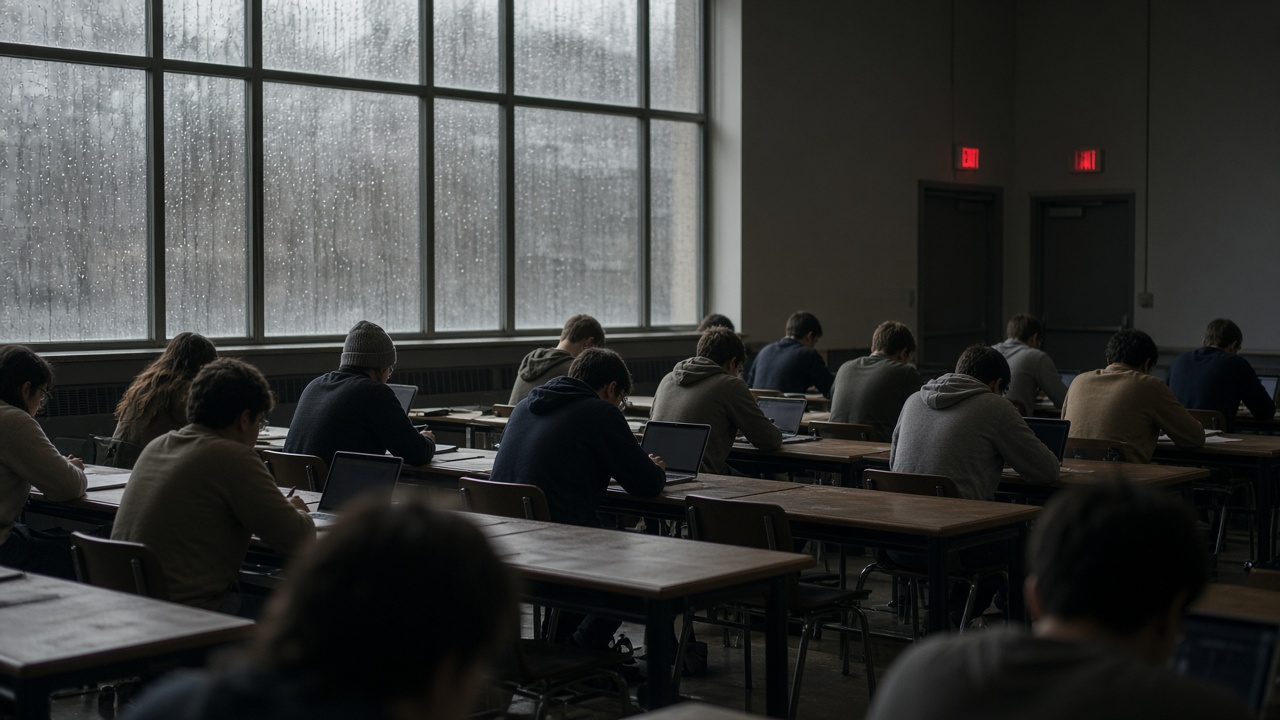
Midterm week was already compressed by Silver Week when Typhoon Dujuan knocked power across Chiba Prefecture on Monday, sending university administrators back to contingency playbooks they last exercised in July. Chiba University’s Nishi-Chiba campus—hit then by two brief blackouts that halted air conditioning and library servers—reported wider feeder failures on September 21 that interrupted in-progress exams and forced faculty to suspend lab sections using fume hoods.
What changed on the calendar
Deans issued a same-day notice: any assessment interrupted after 2 p.m. would be rescheduled with alternate rooms and extended office hours, mirroring July guidance that promised no student disadvantage from outages. Engineering faculties moved numerical-methods tests to Thursday; humanities departments shifted essay deadlines by 48 hours rather than holding students in darkened lecture halls. Graduate students running typhoon-related hydrology models ironically lost cluster access when campus UPS units exhausted before TEPCO restored lines in Ichikawa and Inage wards.
Nearby institutions—including Tokyo University of Science’s Chiba campus and Reitaku University in Mashiko—posted similar holds, though each governs its own academic calendar. The pattern is less about a single statute than about board-level rules tying exam integrity to environmental safety: proctoring in 28-degree classrooms without ventilation fails both tests.
Implementation mess, localized
Library systems that went offline in July—OPAC, e-journals, reservation desks—briefly flickered again Monday, according to campus IT status pages. Students who had not downloaded PDFs found themselves unable to cite sources hours before deadlines. The university redirected traffic to national discovery services as a workaround, but interlibrary loan requests stalled because courier trucks were pulled from flooded coastal routes.
International students on short-term visas face tighter constraints: some scholarship renewals require transcript snapshots by month-end. Registrars said they would annotate transcripts with an “extreme weather” footnote where exams shift, a bureaucratic fix that still requires professors to file forms per course.
Who pays for the delay
Public universities in Japan rarely refund tuition for lost instructional hours; the remedy is makeup sessions that compress already short autumn terms. Part-time lecturers lose paid hours when labs cancel, unless departments rebook on weekends. Student unions in Chiba City asked for recorded lectures for canceled modules, a demand administrations resist when faculty lack studio setups.
TEPCO’s evening figures—tens of thousands of Chiba homes dark—suggest Tuesday morning classes remain risky in buildings without generator transfer switches. Facilities staff must inspect elevators and chemical storage before reopening wet basements.
For students, the lesson is procedural: screenshot outage alerts, email instructors while cellular networks work, and expect midterms to migrate rather than vanish. Campus counseling centers extended walk-in hours for anxiety spikes tied to schedule churn—a secondary storm effect rarely counted in outage press releases.
For Chiba’s higher-ed cluster, Dujuan is another reminder that exam schedules are infrastructure schedules—and this prefecture’s grid is still arguing with the typhoon.