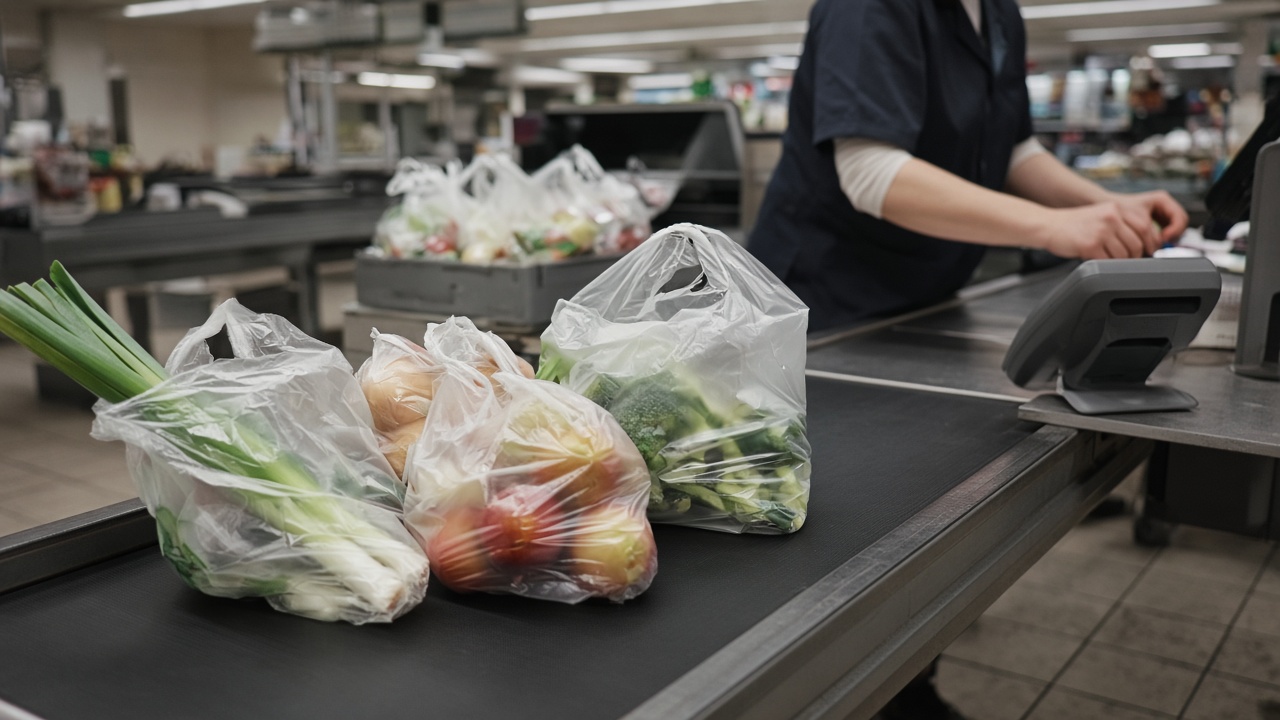
Citi started a September audit of merchant category codes on Citi Custom Cash cards after cardholders flagged grocery bonus transactions that posted at one percent because acquirers labeled superstores, warehouse clubs, or delivery aggregators outside the grocery MCC bucket Custom Cash treats as top spend category—an issuer move that temporarily holds five percent rewards until documentation clears.
What rate, fee, or category changed
Custom Cash still pays five percent on the highest eligible spend category each billing cycle up to $500, then one percent—September’s automatic grocery category did not change on marketing pages. What changed is enforcement: Citi systems flagged accounts with high grocery-coded volume at merchants Visa lists as grocery but Citi’s internal allowlist excludes, and accounts where Instacart or DoorDash wrappers remap MCCs to delivery services.
Affected cardholders received app messages saying rewards are “pending verification” for specific transaction IDs—not a fee hike, but spend that no longer counts toward the $500 cap until review finishes.
Who it is for
Everyday grocery shoppers using Custom Cash as their primary supermarket card—not gamers rotating categories across five wallets. Families buying at regional chains whose acquirer codes flip between grocery and general merchandise see the audit most; Citi forum threads in September clustered around Midwest co-ops and ethnic grocers reclassified after processor updates.
Cardholders who pay in full each month still care because five percent on $500 beats two percent flat cards by $180 annually—enough to notice pending rewards during holiday stock-up weeks.
What the issuer gains
Citi limits bonus exposure when merchants miscoded or when cardholders route wholesale-club spend through grocery MCC exploits issuers watch after CFPB scrutiny on rewards transparency. Clawing pending points reduces immediate liability while audits run; confirmed fraud patterns trigger account closure, but most cases are coding errors Citi fixes with manual credits.
Interchange on grocery remains regulated lower than travel, yet five percent rewards still cost Citi when categories stick—audits protect margin on a product marketed heavily in 2026 acquisition emails.
What if you carry a balance or miss a statement
Pending grocery rewards do not reduce purchase APRs near twenty percent plus on revolving balances—interest accrues on full statement balances regardless of bonus status. Missing a due date triggers penalty APR and loses grace period; chasing five percent grocery while paying interest remains negative math Tyler Brooks repeats for readers carrying debt.
Statement credits for verified grocery spend post on later cycles; cardholders mid-audit should pay minimums on time so penalty rates do not compound over disputed reward dollars worth far less than interest charges.
MCC fine print readers miss
Visa code 5411 marks grocery stores, but Costco and some superstores code wholesale; Walmart grocery pickup may code differently than in-aisle terminals. PayPal and Apple Pay layers can remap MCCs—Custom Cash terms always excluded wallet ambiguity; September audits simply enforce what fine print already said.
Citi’s allowlist updates without push notification; cardholders discover audits at checkout when rewards pend, not when marketing celebrates grocery month.
What to do this week
Save itemized receipts for flagged merchants; Citi secure message upload speeds manual recoding. Consider a flat two-percent card for questionable stores until audit completes. For Brooks’s beat, the product change is operational—pending five percent, not a new fee—yet revolving borrowers should still pay statements before optimizing categories, because no MCC audit lowers the price of carried balances.
How long audits run
Citi service agents told cardholders September reviews target ten business days but heavy volume may extend into October billing cycles—meaning grocery stock-up spend might miss September’s $500 cap even when merchants ultimately recode correctly. Automatic category selection still picks highest eligible spend; if grocery rewards pend, dining or gas might win the five percent tier temporarily, a nuance app dashboards explain poorly.
Competitive context
Chase Freedom Flex and Discover rotating grocery quarters face their own MCC fights; Citi’s audit is issuer-specific, not network-wide. Heavy grocery users comparing cards should track pending rewards as closely as advertised earn rates—especially before holiday baking when a miscode on a $200 run hurts more than a missed two-percent alternative card swipe.