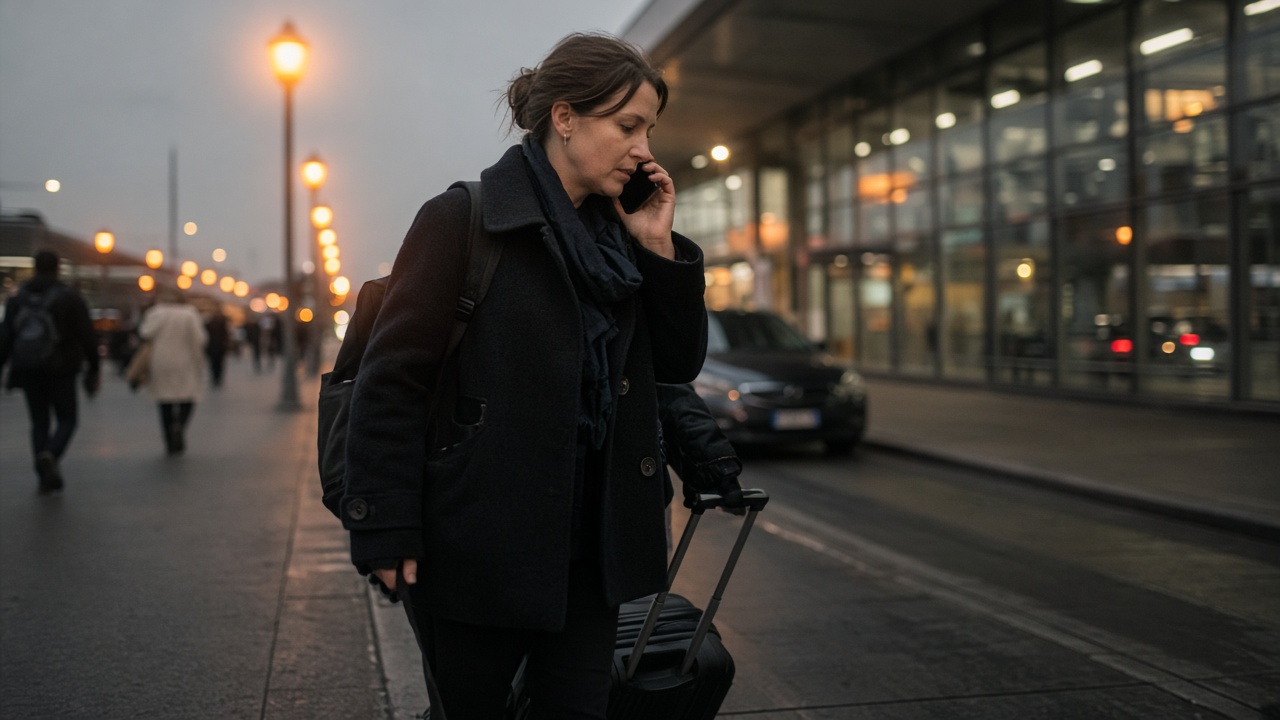
The Federal Trade Commission issued a UN General Assembly week travel alert Monday urging Americans to treat unexpected calls from “hotel billing desks,” “State Department liaisons,” and “airport car-service coordinators” as impersonation attempts after Consumer Sentinel data showed government-impersonation scam losses crossing $48 million in the first eight months of 2026—accelerating as Manhattan occupancy spikes and JFK curbside congestion returns.
What the FTC said
Commission staff highlighted two scripts seen in September reports: fraudsters spoofing +1-202 Washington numbers claiming a diplomat’s security deposit failed, and criminals texting fake Priority Pass QR codes that route to cloned payment pages outside official airport domains. Neither tactic is new; the timing matters because UN week concentrates high-spend travelers who book at the last minute and answer unknown numbers while juggling motorcade schedules.
The alert restates that federal agencies do not demand gift cards, wire transfers, or cryptocurrency for “visa reinstatements” or “delegate housing holds.” Legitimate State Department travel notices arrive through registered accounts on travel.state.gov, not WhatsApp voice notes.
How big the loss file is
Consumer Sentinel’s mid-September extract attributes $48.3 million in reported losses to government-impersonation categories year to date, up 19 percent from the same window in 2025. Analysts caution that reported dollars undercount actual harm because many victims never file; still, the trajectory prompted the seasonal warning. New York and New Jersey contributed a disproportionate share of September complaints tied to airport pickup fraud—consistent with UNGA passenger flows.
What victims described
One nonprofit delegate told InfoHandle she paid $2,400 through Zelle after a caller knew her hotel name and flight tail number—details likely scraped from social posts and public UN side-event lists. Another traveler lost $680 to a fake JFK “authorized sedan” link sent minutes after a legitimate airline delay text, a pairing FBI IC3 analysts call “message stacking.” Banks froze some transfers when customers called back using numbers printed on physical cards rather than caller-ID displays.
Who has the file
FTC Bureau of Consumer Protection staff share indicators with Secret Service financial crimes units during high-profile summits. TSA and Port Authority police issued parallel reminders that no official curbside payment requires prepaid debit loads. Marriott and Hilton corporate fraud desks said they are scrubbing look-alike domains registered after delegate-rate publicity, but impersonation calls do not require hacking hotel systems—only plausible names.
What travelers should verify
Hang up and call hotel main lines from published websites, not callback numbers supplied in the same conversation. State Department housing for missions runs through formal channels; there is no “urgent delegate surcharge” payable by phone. For airport pickups, use apps or counters inside terminals; curbside strangers with tablets are high risk during UN week surge pricing.
Report attempts at ReportFraud.ftc.gov and IC3.gov even if money was not lost—summit-week clusters help investigators obtain wire holds faster.
What is still unknown
The FTC has not broken out how much of the $48 million figure is UN-adjacent versus routine IRS or Social Security impersonation. Prosecutors have not announced indictments tied to this week’s scripts. Loss totals will move as banks complete chargeback cycles.
Platform and bank responses
Major carriers pushed SMS banners warning that flight-change texts may precede scam follow-ups—a pattern DOT flagged in earlier holiday advisories. Zelle and Venmo operators said they are holding transfers tagged with “UN delegate fee” memos for manual review when recipients are first-time contacts. None of those friction layers help if travelers approve payments while still on the phone with impersonators; the FTC reiterated that no legitimate agency will stay on the line while you run to an ATM.
Consumer read-through
UN week does not create a new species of scam; it concentrates targets with tight schedules and expensive itineraries. The FTC’s Monday notice is a calendar marker on a growing loss line—$48 million reported, likely more in the shadows—reminding travelers that familiarity in a caller’s voice and accuracy in an itinerary are not authentication. Verify through official sites, pay through known merchants, and treat urgency as the red flag, not the excuse.