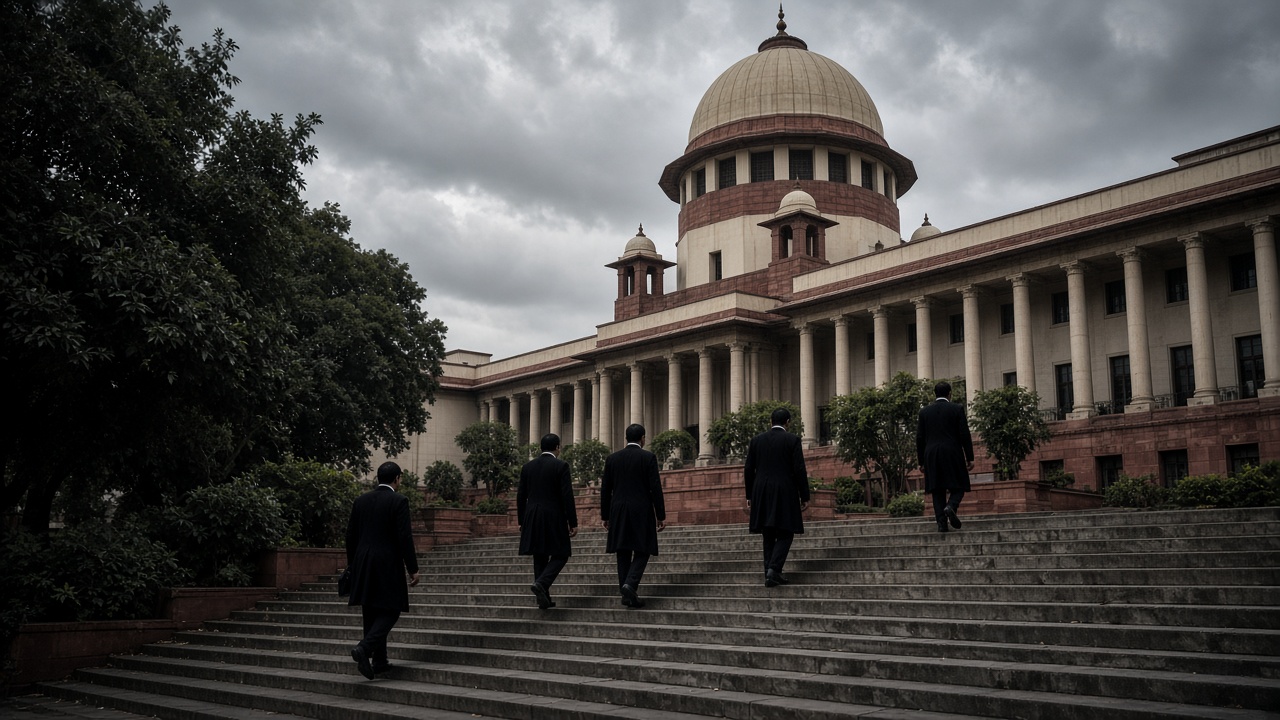
India’s Supreme Court said Tuesday that notices issued to more than 3.3 million Delhi voters during a special intensive revision of electoral rolls appear to be “machine-generated” and may have been dispatched without adequate application of mind. A three-judge bench led by Chief Justice Surya Kant asked the Election Commission of India to refine its filters and publish clearer reasons for each notice, intensifying judicial scrutiny of a voter-list exercise that already removed millions of names from a draft roll.
What triggered the hearing
Petitions before the court challenge the commission’s special intensive revision (SIR) in the capital, where officials are reconciling Delhi’s rolls after a draft publication that excluded more than 4.7 million electors. According to pleadings summarized in court, the commission prepared to notify 3,312,919 additional people—about 34 percent of electors on the post-enumeration draft—because records showed either “no mapping” with prior lists or unspecified “logical discrepancies.”
Justice Joymalya Bagchi, part of the bench with Chief Justice Kant and Justice V. Mohana, told Election Commission counsel that the notices “look like mechanically issued” documents. He asked whether recipients even know what discrepancies they must disprove to stay on the rolls.
Transparency demands
Advocates for voters argued the commission failed to publish the list of notice recipients alongside the specific grounds for each case, contrary to procedures the court expects during a politically sensitive revision ahead of Delhi elections. The term “logical discrepancies” is not defined in public guidance, leaving ward-level officials to interpret software flags that petitioners say resemble bulk database mismatches rather than individualized fraud findings.
Senior advocate Dama Seshadri Naidu, appearing for the commission, said officials would examine whether additional filters are necessary. The bench did not stay the revision but signaled it would continue weekly reviews, a schedule that keeps election administrators under direct judicial oversight through the festival season.
Political stakes
Delhi’s voter list fights have become a national flashpoint, with opposition parties alleging that aggressive deletions and opaque notices could disenfranchise poorer tenants and migrant workers who lack legacy documentation. The Bharatiya Janata Party, which governs nationally, argues the SIR is needed to remove duplicate and ineligible entries after rapid demographic change.
State election officials in other capitals are watching the Delhi docket closely; any Supreme Court template on notice formats could ripple to revisions planned before 2027 state polls.
What comes next
The commission faces a short window to produce granular notice data or risk further orders requiring manual review samples. Voter-help groups said they would expand clinic hours to help residents answer notices before deadlines that have not been fully publicized ward by ward.
For India’s politics desk, the new language is judicial: “machine-generated,” aimed at a commission that insists its databases are neutral. The number in play is 3.3 million notices—each one a potential ballot in a capital where roll integrity and partisan trust now share the same courtroom.