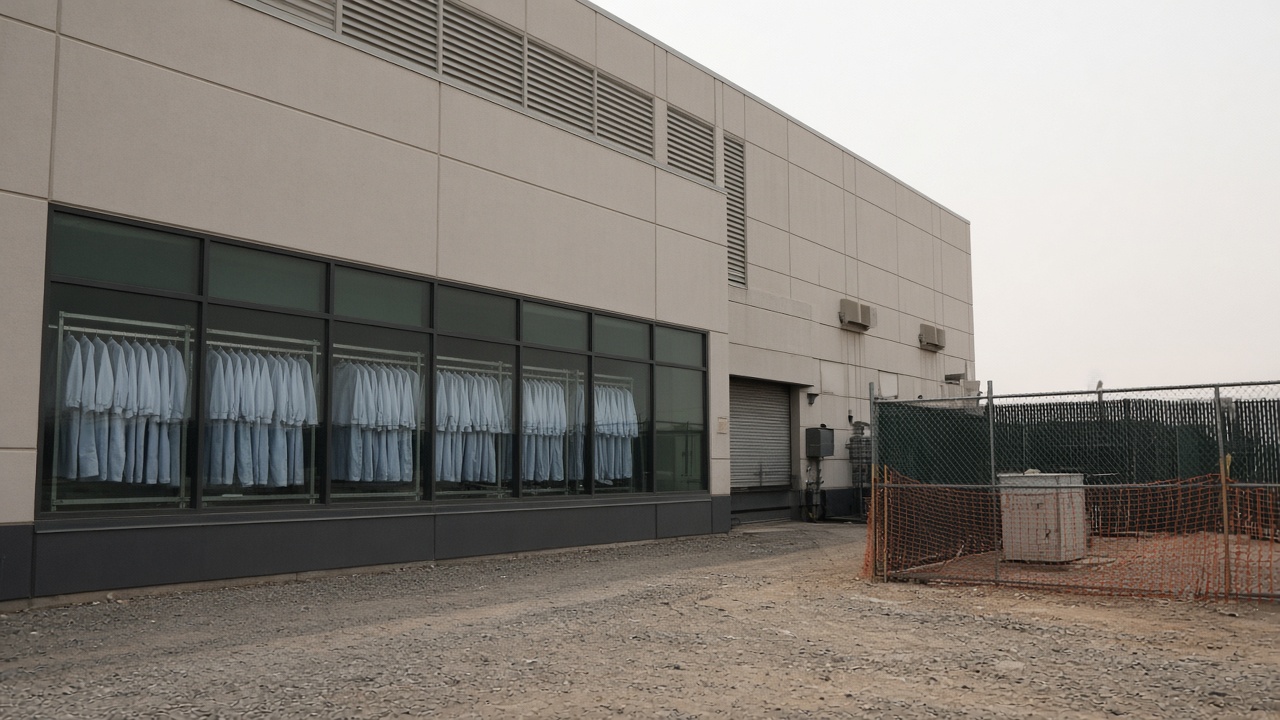
Intel Foundry Services opened a accelerated hiring track for clean-room technicians at its Ocotillo, Arizona, campus this month, aiming to staff two shifts before lithography and etch tools arrive on a fixed fourth-quarter delivery calendar the Commerce Department cites in CHIPS Act milestone reports. The push is less about headline headcount than about matching certified operators to install windows—each day a tool sits idle waiting for qualified escorts can slip external customer tape-outs Intel promised for 2027 production.
Who they need and when
Recruiters target technicians with prior ISO Class 5 experience or graduates of Maricopa Community College’s semiconductor boot camps Intel helped fund. Offers include relocation bonuses for out-of-state hires and compressed training on Intel’s gowning and chemical handling protocols before vendor teams land crates on the receiving dock. Foundry executives told Arizona economic development officials they need roughly four hundred additional qualified technicians by November to support simultaneous installs in Fab 52 expansion bays—not every hire is net new; some transfer from Oregon and Ireland sites on six-month rotations.
Tool vendors schedule deliveries in sequenced waves: extreme ultraviolet lithography cells need crane paths cleared weeks ahead; etch and deposition clusters follow once base utilities pass qualification. Intel’s program management office ties HR start dates to those waves so escorts and maintenance buddies exist before foreign vendor field engineers arrive on restricted visas.
Why timing tightened
CHIPS Act grant agreements tie disbursements to construction and equipment benchmarks; delays trigger reporting to Congress Intel has avoided publicly so far. Customer commitments from Microsoft, Amazon Web Services, and smaller fabless designers assume Arizona lines reach risk production on advertised calendars; missing install crews becomes a customer trust issue, not only a labor story.
Competing fabs in Texas and New York poach the same technician pool; Intel raised entry wages for night-shift maintenance techs after turnover spiked when housing costs in Chandler and Gilbert climbed. Local unions are not central—Intel remains nonunion in Arizona—but workforce housing advocates pressed the company to expand shuttle routes from more affordable exurbs, a logistics fix operations managers said cut tardiness on A-shift gowning.
What trainees actually do
Before touching tools, cohorts spend weeks in mock clean rooms practicing particle checks and wafer-handling drills on donated 200-millimeter lines Intel keeps for training—not revenue wafers. Vendor-specific modules follow once tool IDs are assigned; Lam and Applied Materials trainers certify techs on their safety interlocks separately, a bureaucracy Intel cannot shortcut without voiding warranties.
Engineers worry about knowledge drain when Oregon veterans rotate home after install peaks; Intel is documenting standard operating procedures in a centralized foundry wiki external customers can audit under nondisclosure agreements. That paperwork burden is real headcount too—technical writers hired from defense contractors who understand export-controlled manuals.
Supply chain coupling
Tool delivery dates slipped industry-wide in 2024; Intel’s Arizona schedule assumes freight lanes from Netherlands and Japan stay open through hurricane season. If a lithography shipment delays, HR must avoid over-hiring permanent staff Intel would bench—hence contract techs from staffing partners for six-month windows, a model Oregon used during D1X ramp.
Water and power utilities for Ocotillo expanded with state grants; technicians also train on abatement systems when etch tools use new chemistries Intel has not run at scale in Arizona before. Environmental permits require documented operator counts before certain tools switch from idle to production modes.
Customer and investor read
Foundry revenue remains a small slice of Intel’s total, but CHIPS optics focus on Arizona as proof the pivot can work. Hiring velocity is a leading indicator investors watch when comparing Intel to TSMC’s Arizona timeline—TSMC faces its own staffing campaigns in Phoenix suburbs, tightening the labor market both need.
What to watch next
Commerce Department site visits this fall will ask for rosters matched to tool serial numbers on the dock. If Intel misses pairing techs to installs, the story shifts from macro CHIPS politics to plain factory logistics—who shows up in bunny suits when the crane lifts the next EUV module through the roof panel.