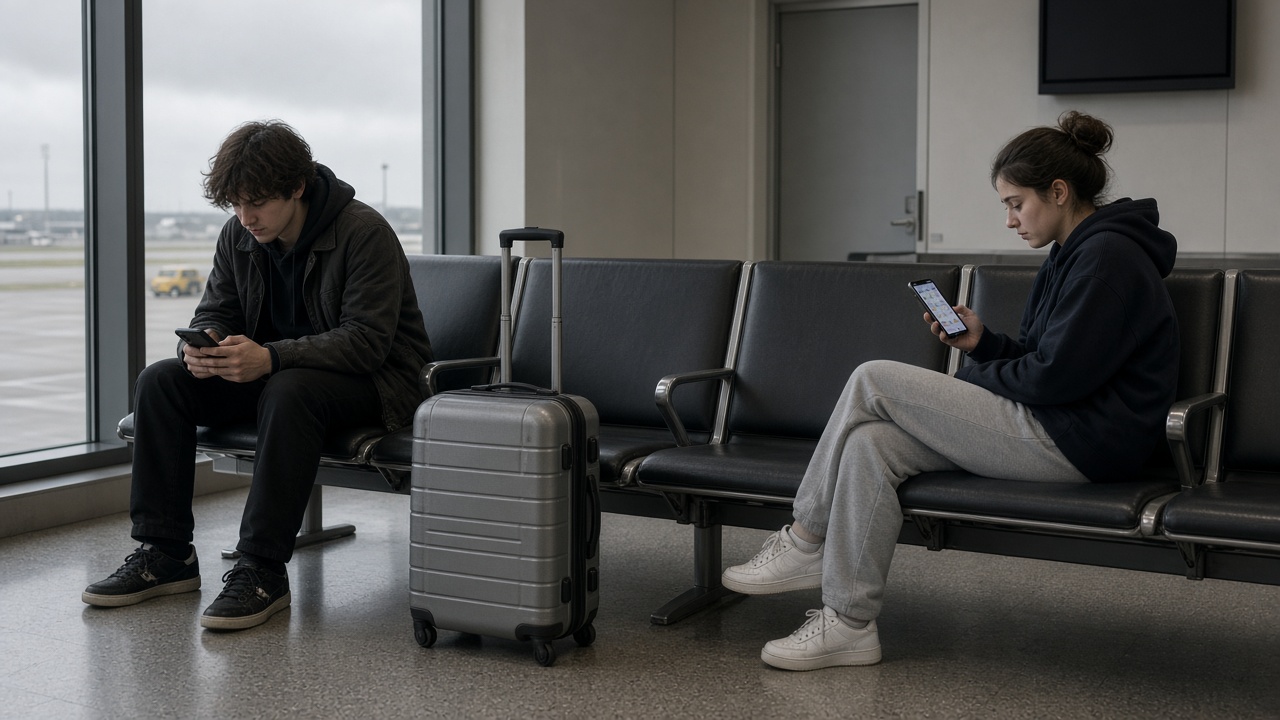
Yui Morishita in Naha and her partner Riku in Yokohama had Monday circled for months: the first Silver Week day both could take without using paid leave they needed later in the year. Japan Airlines canceled their Haneda–Naha round trip on September 21 as Typhoon Dujuan scraped the Kanto coast, and ANA’s rebooking line placed them behind holiday travelers who were already on hold when Rock in Japan called off its finale. They are one of thousands of long-distance couples whose reunion budget now includes time math, not just yen.
Who they are, what failed
Morishita, 29, teaches elementary school in Okinawa; Riku, 31, works logistics in Kanagawa. They met at university in Fukuoka and have done distance for three years, alternating who flies. This week Riku was supposed to land Sunday night; his outbound was delayed, then Monday’s return for Morishita was scrubbed entirely. The hotel they booked in Chatan offered a credit but not a refund, and the rental car sat unused in a parking lot now exposed to gusts.
They are not married, so corporate family leave policies do not apply. Their employers allow remote work only on mainland typhoon days, not when Okinawa skies are merely gray—another asymmetry that shows up in HR manuals long before romance apps.
Institutions sitting on them
Airlines invoked weather waivers that waive change fees but not fare differences; the cheapest rebook Morishita found was Thursday, after her midweek classes. Credit card travel insurance they thought they bought through a Rakuten co-brand covers lodging only after a six-hour delay, a threshold Monday’s cancel cleared too quickly to trigger. Customer service chatbots kept citing force majeure, which is legally accurate and emotionally useless at midnight.
Video calls filled the gap—dinner over FaceTime with convenience-store bento—but both said the fatigue is specific: you spend PTO on anticipation, not presence. Therapists who work with long-distance pairs note typhoon seasons cluster cancellations, making autumn feel like a tax on relationships that already pay airfare premiums.
What they tried
Morishita looked at ferry options from Tomari to Kagoshima, then a shinkansen north; the math exceeded a new flight and ate four working days. Riku considered flying to Osaka instead, but Okinawa–Kansai seats were gone. They split the hotel credit toward a December trip and wrote their schools’ attendance offices to explain missed professional development—not a universal fix, but the one their calendars allowed.
There is no lesson that fits every couple. Some will swallow the fare and fly Tuesday; others will postpone until New Year when seats open. Morishita and Riku said they will keep the Thursday hold but refuse to book nonrefundable onsen until JMA clears the storm track.
Silver Week promised a rare overlap of holidays; Dujuan took the overlap and left the paperwork. For long-distance couples in Japan, the storm’s cost is measured in unredeemed hugs at arrival gates—not dramatic, just expensive enough to hurt.