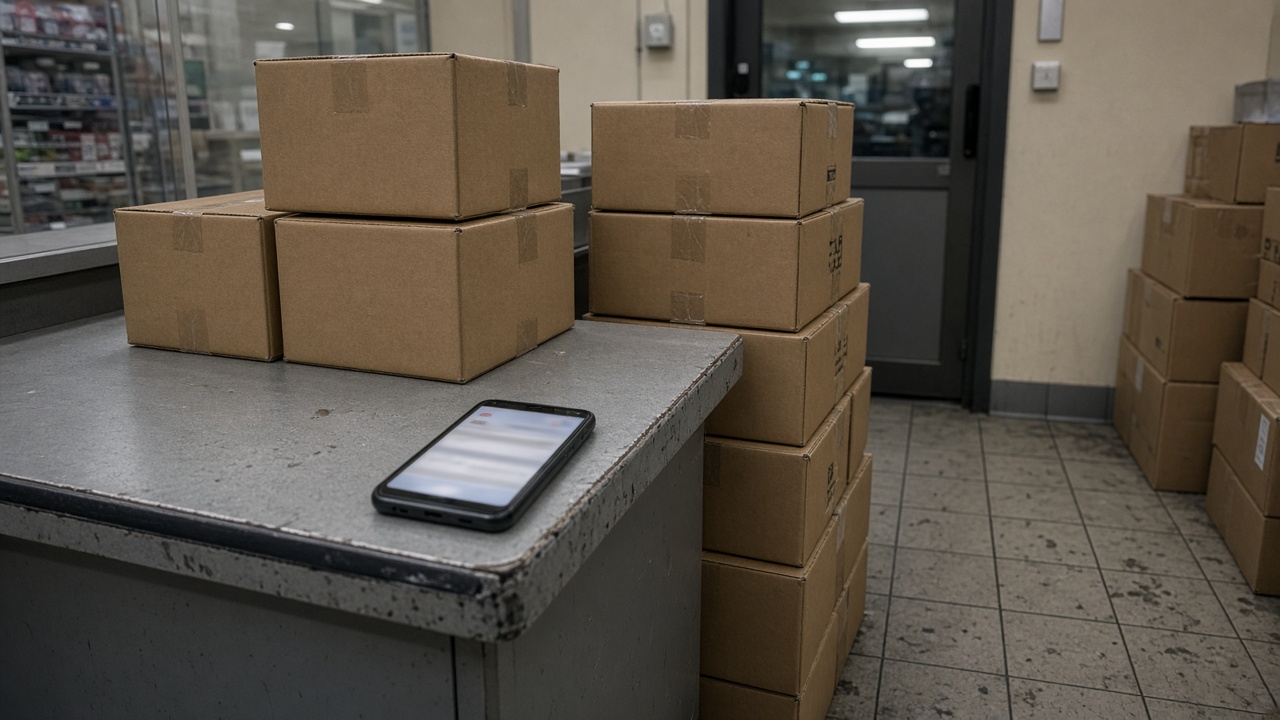
Fake “parcel fee due” text messages are climbing again as Taiwan enters the Mid-Autumn gift-shipping rush, and Taipei prosecutors joined national police in warning that the texts are built to steal money or card data—not to deliver mooncakes. The pattern is familiar: a short SMS names a courier, cites a few hundred New Taiwan dollars in unpaid handling, and embeds a link that opens a look-alike payment page. What is new this season is volume. Criminal Investigation Bureau officials told reporters in mid-September that phishing-link fraud reports nearly doubled year on year in August, with logistics impersonation among the fastest-growing themes.
What the message asks victims to do
In cases highlighted by investigators, recipients see a note that a package is waiting at a convenience-store locker or that a home-delivery fee was not settled. The link routes to a cloned checkout screen. Some victims pay a small “fee” and receive nothing. Others enter credit-card numbers and later see offshore charges. A separate strand still pushes “cash on delivery” pickups for items the recipient never ordered—ghost packages that exist only to extract payment at the counter.
Police stress that legitimate couriers do not demand card entry through unsolicited links. Chunghwa Post has repeatedly said it does not use LINE messages with QR codes or mobile numbers for “postal specialists,” a tactic fraudsters copied from earlier waves. If a message arrives out of the blue, the safe sequence is stop, verify through the courier’s official app or tracking site typed manually, and only then decide whether any fee is real.
Why prosecutors spoke now
The Taipei District Prosecutors’ Office has handled a steady docket of telecom fraud tied to domestic SIM banks and overseas call rooms, including cases prosecuted under its direction with the Criminal Investigation Bureau’s Fourth Criminal Investigation Corps. While those indictments center on voice scams, prosecutors said the same groups rotate scripts as public attention shifts. Parcel-fee lures spike when holidays increase legitimate shipping traffic, making a fake notice easier to mistake for a real one.
Prosecutors did not release a fresh case count tied solely to Mid-Autumn texts. Their advisory instead aligns with national statistics: August saw more than 10,000 telecom fraud reports and more than NT$410 million in losses, with phishing links accounting for a sharply rising share. The office urged victims to preserve screenshots, payment records, and URLs—not to “test” suspicious pages—and to dial the 165 anti-fraud hotline before transferring money.
What is confirmed versus what is still open
Confirmed: phishing-link reports and logistics-themed messages are up, and major carriers and the post office have published counter-notices. Still open: how many Mid-Autumn cases will clear through convenience-store CCTV and payment trails, and whether current takedowns of domestic SIM equipment will slow SMS blasts. Investigators say many links resolve to servers outside Taiwan, which lengthens evidence collection even when local mules are caught.
Practical steps for households shipping gifts
If you ordered mooncakes or fruit boxes for relatives, keep the merchant’s confirmation and tracking number in the same thread as family chat so a random SMS stands out. At pickup, match the sender name and item description before paying any COD charge—convenience chains allow returns within the statutory window if a package is clearly not yours. Businesses should tell customers which courier and tracking format to expect, because a vague “your package arrived” message is exactly what scammers mimic.
Retailers reported heavy pre-holiday volume through Taoyuan and regional hubs; that real traffic is the backdrop criminals exploit. The prosecutors’ message is blunt: a fee text is not proof a package exists, and paying through a link is not the same as paying at a store counter with a printed slip. When in doubt, call 165 before money moves—late is better than wiring cash to a page that will disappear by morning.
Convenience-store clerks told trade groups they are seeing more customers ask whether a pickup code is genuine before tapping pay—a habit prosecutors want to spread before the holiday peak, not after losses show up in bank apps.