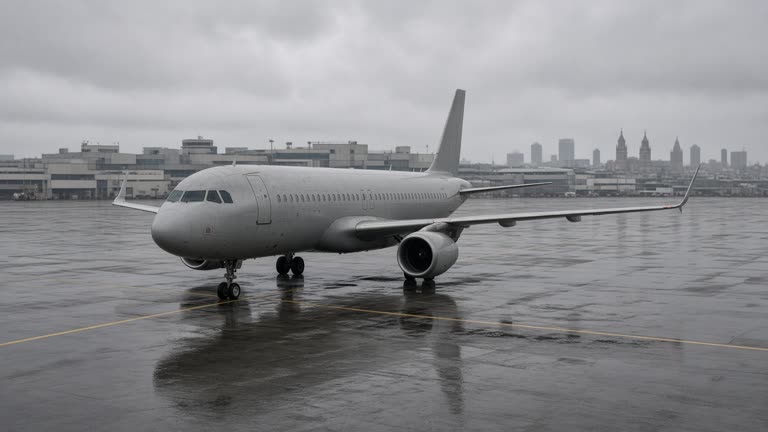
A communications failure at the Federal Aviation Administration’s Philadelphia-area air traffic center snarled hundreds of flights across the Northeast on Monday, and the backup link failed when workers discovered a railroad construction crew had severed the fiber line, Transportation Secretary Sean Duffy told reporters Tuesday. The outage left controllers without radar or radio contact for hours, grounded traffic at Newark for much of the day, and pushed carriers into a second day of cancellations as displaced aircraft and crews struggled to reset schedules.
What broke in Philadelphia
Duffy said the primary switch on the center’s main communications line failed Monday morning. When technicians shifted to the redundant fiber path, they found it had been cut inadvertently by railroad construction, leaving the facility effectively blind and mute during the morning rush. The equipment is slated for replacement under the FAA’s long-running modernization program, which Duffy is using to argue for an additional $20 billion congressional installment.
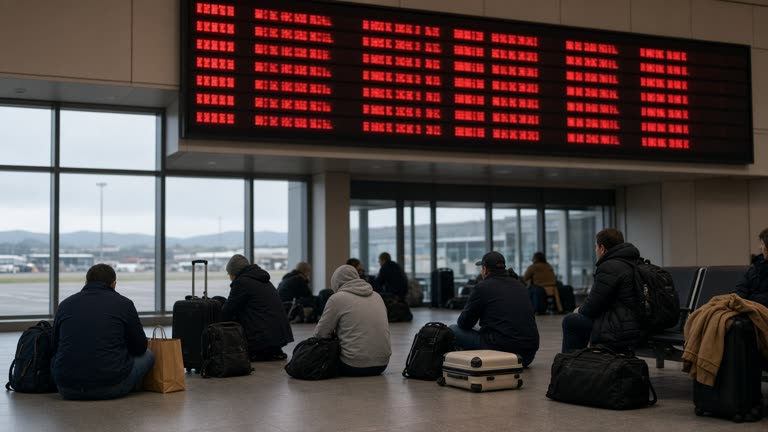
PBS News reported that Newark Liberty International Airport saw no commercial arrivals from about 9:40 a.m. until just after 5:20 p.m. local time, according to Flightradar24 data. Philadelphia International Airport canceled more than 200 flights, while LaGuardia and Kennedy in New York also reported ground stops and delays before operations resumed Monday evening.
Tuesday’s ripple effects
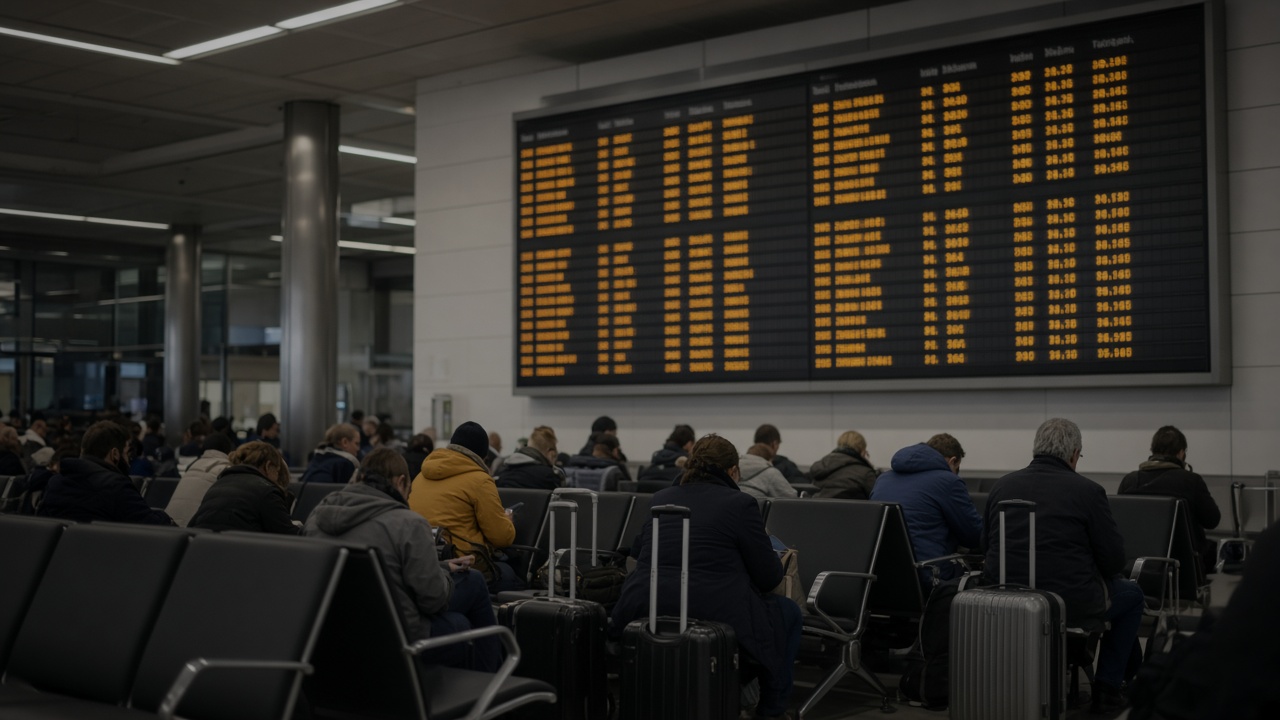
FlightAware showed nearly 100 U.S. cancellations by midday Tuesday as airlines repositioned jets stranded away from crew bases. American Airlines, heavily concentrated at Dallas-Fort Worth but with large Northeast banks, faced knock-on delays when Monday’s aircraft never reached intended overnight hubs. Passengers described missed connections that spilled into Tuesday business travel, a familiar pattern after single-point ATC failures.
Duffy’s messaging linked the incident to aging infrastructure rather than staffing alone, a shift from recent congressional fights over controller hiring. The Philadelphia center handles high-altitude traffic across a dense corridor that feeds New York, Washington, and Boston approaches; when it drops offline, the FAA’s contingency routes cannot fully absorb demand.
Travelers and airports
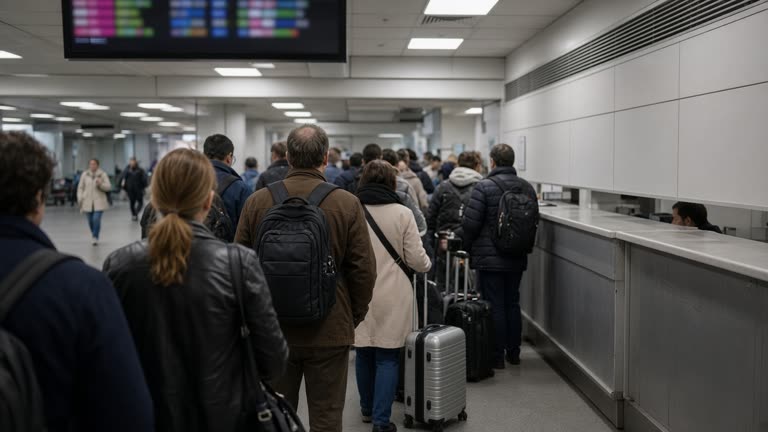
Port Authority officials at Newark urged travelers to check apps before heading to terminals Tuesday, warning that security lines would be uneven as banks of flights departed in compressed windows. Philadelphia airport managers said baggage systems were catching up by afternoon, but crew legality limits meant some Tuesday departures were canceled preemptively rather than risking mid-route duty-time violations.
The outage is distinct from last week’s brief Dallas-area radar software glitch that hit American’s hub, but carriers treat both as symptoms of the same vulnerability: U.S. ATC still relies on localized hardware chains where one severed fiber can outweigh thousands of redundant flight plans in airline computers.
What Congress will hear
House transportation appropriators had already scheduled fall hearings on FAA capital plans; Duffy’s $20 billion request will now cite Philadelphia’s dual-line failure as a real-world exhibit. Union officials representing controllers want hiring and training funds paired with hardware upgrades, arguing that backup systems must be geographically diverse, not just logically redundant on paper.
For travelers moving through the Northeast, the practical advice unchanged since Monday: build buffer time, expect afternoon banks to absorb the backlog, and watch for Wednesday weather that could compound crew shortages. The policy fight, meanwhile, has a simple image—a cut fiber under a rail project—to anchor a billion-dollar overhaul debate.