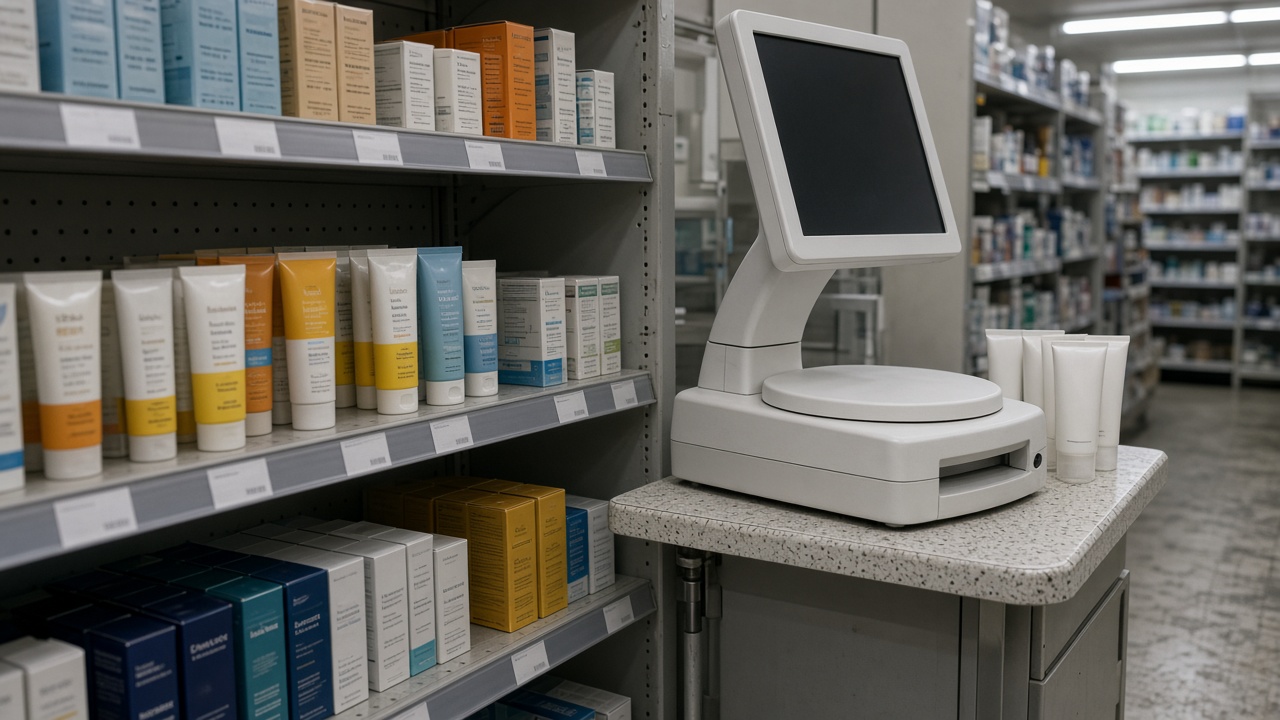
Priceline will install handheld ultraviolet skin scanners in 42 stores across Queensland, New South Wales and Western Australia this month, ahead of a summer campaign that pitches personalised sun damage imaging next to Therapeutic Goods Administration-listed SPF products on the same aisle.
What the kiosk does
The story starts with the bottle, not the banner: the pilots use a commercial UV camera module already common in Korean dermatology clinics, adapted for open-counter use. A customer places their face or forearm into a shaded hood; the screen shows melanin and sunspot contrast under UV-A illumination while a beauty adviser narrates what is cosmetic versus what needs a GP skin check. The device does not diagnose cancer—it is a merchandising and education tool, with on-screen disclaimers that abnormal lesions require a clinician.
Priceline’s internal training slides, shared with franchisees last week, instruct staff to recommend broad-spectrum SPF 50+ products registered on the Australian Register of Therapeutic Goods, and to mention the national UV index apps when customers plan outdoor sport. Scans are optional; stores cannot tie Sister Club points to imaging without explicit consent forms stored separately from loyalty data.
Why summer 2026 is sensitive
Pharmacy beauty aisles are under more scrutiny after Gem Care and other suppliers recalled mineral zinc sunscreens sold at Priceline and independents when lotions separated in the tube—visible watery discharge that can leave skin under-protected. The TGA told consumers to stop using affected batches; Priceline pulled stock and posted shelf notices. Separately, CHOICE’s independent SPF testing has repeatedly found products that miss labelled factors, a story that resonates in a country where Priceline’s own suncare guide reminds readers Australia receives about 15 percent more UV than much of Europe.
The scanner pilots aim to rebuild trust through education rather than claims a cream will reverse damage. Advisers are told not to promise outcomes from any single brand; instead they map scan severity bands to routines—antioxidant serums, reapplied sunscreen every two hours outdoors, hats when the UV index hits “very high.”
Regulatory lines
Sunscreens are therapeutic goods in Australia; advertising must not imply TGA endorsement beyond lawful ARTG listing. Priceline’s legal team cleared language that describes the camera as “cosmetic imaging” rather than “skin analysis treatment.” If advisers cross into medical advice, state pharmacy regulators could treat the pitch as a health service, triggering documentation requirements the chain wants to avoid.
Competitor Chemist Warehouse has trialled similar devices in limited suburbs; Priceline’s differentiation is tying scans to its Sister Club skin profiles so repeat visitors can compare summer-to-summer images—provided they opt in. Images delete after 90 days unless the customer saves them to a personal email, a policy copied from GDPR-style privacy playbooks even though Australian privacy law differs.
What shoppers should ask
Before stepping into the hood, ask whether the adviser is paid on sunscreen volume, whether the scan data leaves the store, and which ARTG numbers appear on recommended tubes. Look for broad-spectrum labels, water resistance for sport, and the AUST L number on the pack. If a product feels separated or smells off, return it—recalls this year showed manufacturing defects can slip past shelf checks.
Priceline will publish a store list on its website when hardware installs finish in October. Until then, the pilots are a test of whether seeing UV damage on a screen nudges Australians toward habits dermatologists have preached for decades—slip, slop, slap, and read the label as carefully as the National Health Literacy Framework now asks pharmacists to print it.
Franchisees in northern Queensland requested the first installs before school holidays, when family foot traffic peaks. Western Australian stores follow in October once cyclone season briefings finish. If scan uptake exceeds Sister Club signup targets, Priceline may extend the pilot nationally next financial year; if not, the devices will roll back to warehouse stock without a public failure announcement—standard retail experimentation in a category where trust is the scarcest ingredient.