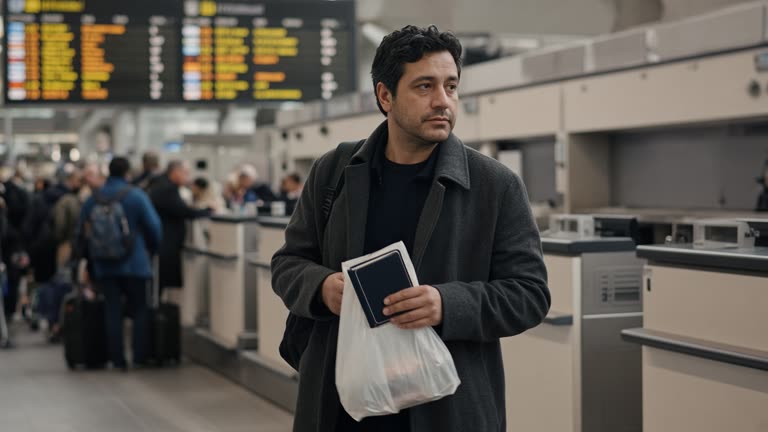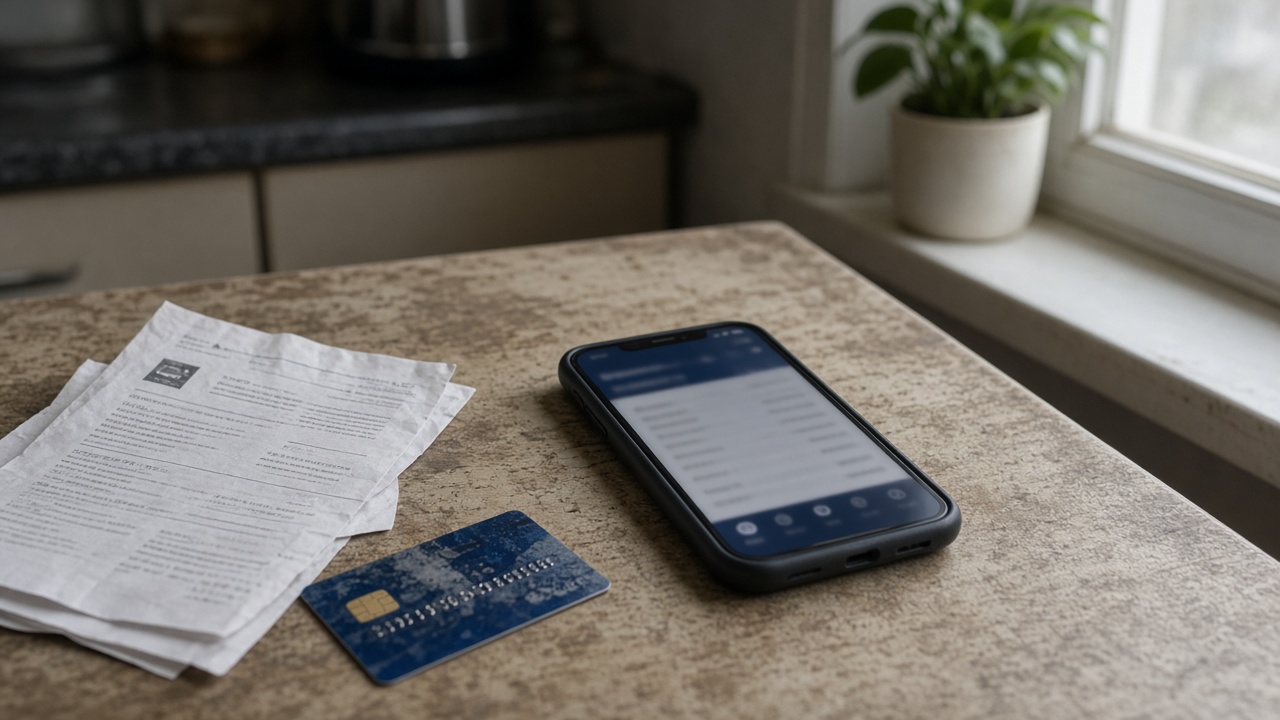
Rakuten Card Co notified members that it will extend storm-related travel chargeback filing windows for Silver Week purchases charged on Rakuten cards, a procedural change aimed at cardholders stuck with non-refundable ryokan deposits and package tours after Typhoon Dujuan grounded flights and darkened Chiba destinations.
What changed on the product sheet
Mailers and app banners describe a temporary extension—typically from the usual 60-day dispute horizon to 90 days—for charges coded as domestic lodging, rail packages, and Rakuten Travel bookings when merchants refuse refunds citing force-majeure clauses. Cardholders must upload cancellation notices from airlines or municipal evacuation orders; Rakuten said automated OCR would pre-fill forms when JAL or ANA cancellation numbers match transaction metadata.
The extension does not waive network chargeback rules: issuers still must prove services were not rendered. Rakuten is effectively giving customers more time to assemble Japanese-language hotel correspondence many struggled to obtain during the holiday phone outage surge.
Who it is for
Primary beneficiaries are households that prepaid Silver Week trips to Boso Peninsula beaches or Makuhari event packages cancelled after the typhoon. Rakuten Travel-heavy users accumulate points on the same statement; chargebacks claw back points earned on disputed amounts, a detail buried in FAQ updates Tyler Brooks flags for readers who optimistically booked bonus-multiplier nights.
Corporate cards issued under Rakuten's co-brand programmes follow the same extension only if the company enrolled in consumer-style dispute rights; many employer cards route to separate servicing portals with shorter windows—check which plastic backed the trip.
What the issuer gains
Chargebacks shift liability to acquirers and merchants when successful; Rakuten's move reduces call-centre churn and supports Rakuten Travel's brand during a week when social posts blame platforms equally with airlines. Keeping cardholders in-house for disputes avoids migration to mega-bank cards marketed on concierge recovery stories.
Successful disputes still cost interchange-friendly travel volume in the short term, but retention economics favour flexibility when competitors issue similar typhoon memos every season.
What if you carry a balance
Disputed amounts may still accrue interest if the charge posts before Rakuten credits provisional relief; the extension gives time to file but not automatic statement credits. Cardholders paying revolving interest on a ¥200,000 ryokan charge should file immediately even with the longer window—interest clocks do not pause while OCR scans PDFs.
Partial refunds from hotels leave residual balances cardholders must dispute separately; Rakuten's form now allows split-line entries tied to the same reservation code.
Risks cardholders should read
Merchants can represent chargebacks with proof of open-for-business status even if the customer could not travel; coastal hotels that restored power quickly may win cases while guests argue impassable roads. Evacuation orders that lift before check-in weaken disputes.
Chargeback wins do not repair Rakuten Travel loyalty tier nights; status requalification may still count cancelled stays unless customer service grants a manual waiver—a separate chat queue from card disputes.
Competitive context
Other issuers issued parallel Silver Week storm memos; Rakuten's differentiation is integration with its own OTA receipts. Cardholders who booked via third-party sites must dispute through whichever card they used at checkout, not necessarily Rakuten even if they hold the card.
For household ledgers, the takeaway is documentary: save airline SMS, screenshot TEPCO outage maps if hotels claim force majeure falsely, and file within the extended window even if a merchant promises a manual refund that never posts.
Statement quirks
Rakuten Card app lists provisional credits as pending disputes; year-end spend trackers exclude reversed charges, which can accidentally drop you below campaign thresholds—worth tagging manually if you chase bonus tiers in October.
Regulatory read
Japan's instalment and card-dispute rules already require issuers to acknowledge filings within set windows; Rakuten's extension aligns operations with consumer-agency guidance on disaster-affected travel without changing network chargeback law. Cardholders should still respond to merchant contact attempts—ignoring hotel emails can weaken issuer cases even when typhoon maps support the claim.
Tyler Brooks' household test: file early, attach JAL or ANA cancellation codes, and pay statement balances on undisputed lines so interest does not accrue while Rakuten investigates.