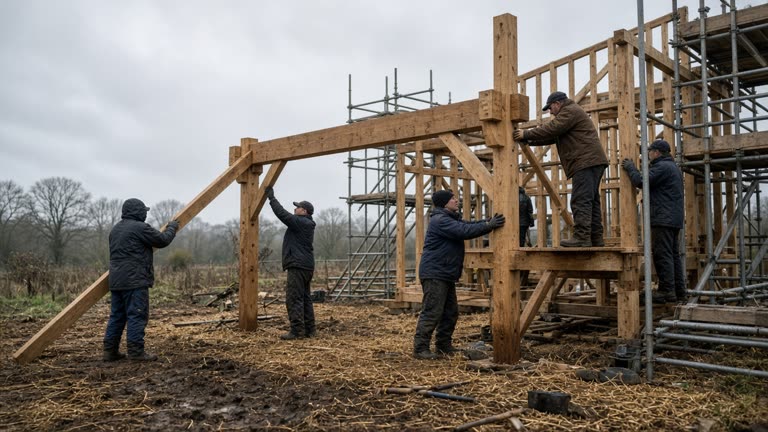
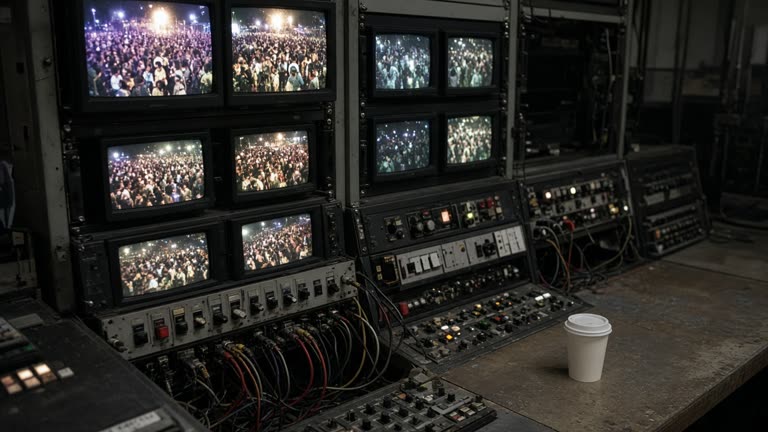
The last day of Rock in Japan Festival 2026 was supposed to close five Silver Week nights at Chiba City’s Soga Sports Park with arena-scale J-rock and idol crossover sets. Instead, the J-Fes office posted a cancellation before dawn on September 21, citing Typhoon Dujuan’s all-day rainfall and winds expected to exceed the thresholds that already forced LED screens on park and hillside stages to ride lower than usual over the weekend.
What the organizers shipped—and halted
Rock in Japan is not a single promoter’s rental stage; it is a Rockin’on production with municipal permits, vendor villages, and broadcast tie-ins. The 2026 edition ran September 12–13 and 19–21, moving into the holiday week after years on August dates. Saturday’s shows proceeded with contingency rigging, but Sunday night’s forecast showed rainfall “significantly exceeding” the prior day across the entire venue footprint, the official statement said, making it impossible to secure audiences, artists, and truck crews simultaneously.
That decision lands after a partial refund window opened for ticketholders who skipped Sunday’s show voluntarily—an unusual two-track policy that left fans parsing app notifications. Electronic tickets for Monday must remain unused to qualify for automatic refunds, with details promised on the J-Fes site and app rather than at convenience-store counters.
Industry mechanics behind the call
Outdoor festivals in Japan negotiate wind-load limits with structural engineers; when a typhoon’s closest approach coincides with a holiday Monday, insurers watch rigging bolts and crane schedules as closely as set lists. Rock in Japan’s Chiba location puts truck ingress along coastal roads that flood early, which is why Monday’s cancel came before gates would have opened, not after the first downpour.
Artists scheduled for the finale—including major domestic rock acts promoted across streaming playlists—lose merchandise revenue and travel slots, but contracts for this festival typically include force-majeure clauses tied to meteorological warnings. Streaming partners had planned highlight reels; those may shift to prior nights’ footage rather than live capture.
Audience economics
Fans who booked hotels in Chiba and Tokyo face sunk costs separate from ticket refunds. Secondary-market resale is officially banned; Rock in Japan reiterated that transfers violate terms, pushing disappointed attendees toward official channels only. Train suspensions on JR East’s limited expresses into Chiba compounded the sense that Monday was unworkable even if stages had stayed up.
For the wider live-music market, the cancellation is a data point in a storm-heavy season: promoters already shortened summer tours after heat policies tightened. A five-day festival that loses its finale still paid for infrastructure across two weekends; whether 2027 returns to August or keeps Silver Week will be debated internally against typhoon climatology.
Monday’s mud at Soga Sports Park will dry, but the paperwork will not. Refund timelines, artist make-goods, and broadcaster adjustments are the work now—the show on the field never started.