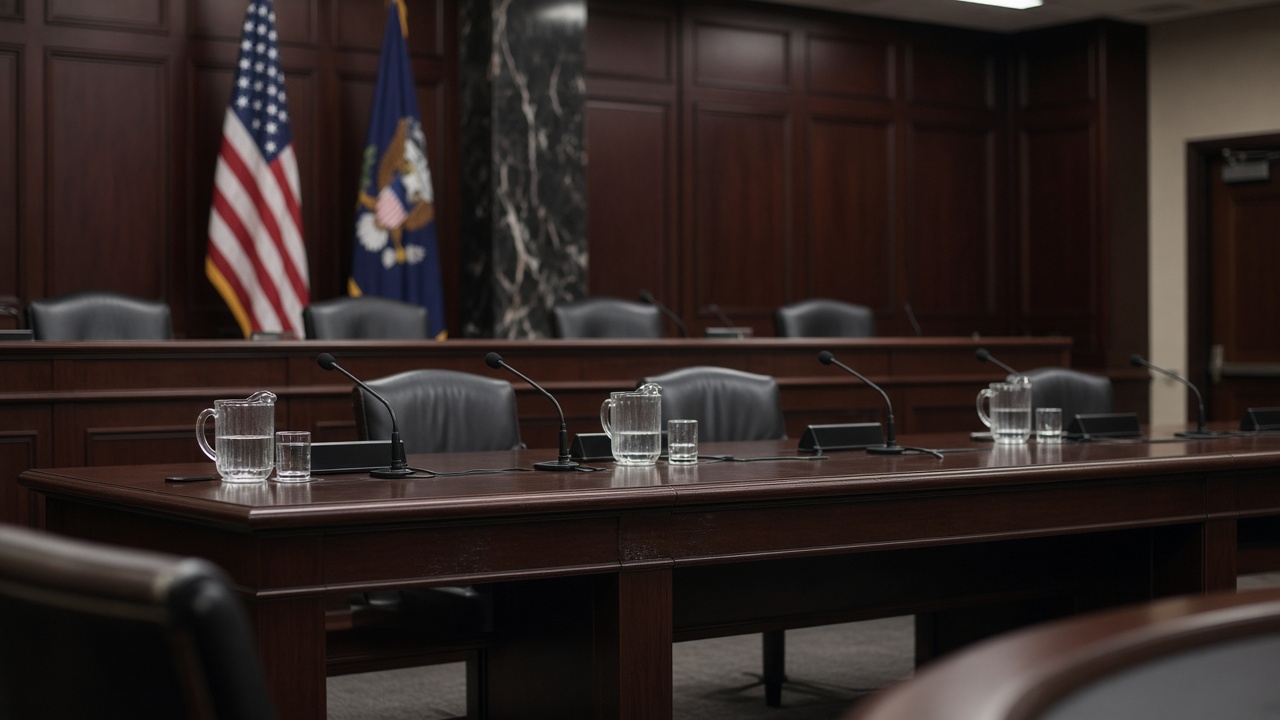
The Senate Banking Committee set a late-September nomination hearing for President Biden’s pick to serve as Federal Reserve vice chair for supervision after the Federal Open Market Committee’s September rate decision, guaranteeing senators will press the nominee on bank capital timelines, fintech oversight, and political independence in the same news cycle as markets parse the latest dot plot.
What landed on the calendar
Committee staff posted a hearing notice for the final week of September, with a single witness panel expected to feature the nominee alongside routine procedural motions. The slot follows the FOMC’s two-day meeting, a sequencing choice that lets Republicans frame questions around whichever policy path Chair Jerome Powell announces while Democrats emphasize consumer protection and climate-risk disclosure rules still winding through comment periods.
The vice chair role carries direct authority over large-bank supervision and merger reviews; it does not set the federal funds rate but shapes whether Basel III endgame proposals soften or harden before 2027 implementation deadlines.
Why the hearing matters now
Regional bank stress tests and living-will submissions dominated the summer agenda; autumn hearings are the last realistic window to confirm a supervisor before election-year confirmations slow. Banking lobbyists told InfoHandle they will watch for signals on Category II capital surcharges and crypto custody pathways—topics the nominee addressed in private meetings last month but has not detailed publicly.
Whip count and procedure
Leadership has not published a firm vote date; prior Fed confirmations slipped when unrelated appropriations fights consumed floor time. The nominee needs a simple majority if brought to a vote, but Banking Chair Sherrod Brown’s office said supplemental questionnaires on swap dealer oversight must be returned before the gavel drops—standard delay tactics when the minority wants more paper trail.
What senators will not get
Witnesses rarely bind future rulemakings in hearings; expect positioning, not promises. The Fed’s independence statutes limit White House direction on supervisory matters, but senators still hunt for commitments on enforcement staffing and merger moratoriums that the nominee can dodge with process answers.
Industry positioning
American Bankers Association comment letters this summer urged longer phase-ins for operational-risk capital charges; progressive groups countered with demands for faster merger scrutiny after regional failures. The nominee’s private meetings included both camps, according to disclosure forms, but public testimony will be the first searchable record for investors parsing tone on enforcement versus forbearance.
Market read-through
Equity desks treat supervision chairs as second-order relative to rate paths, yet bank multiples moved on prior nominees’ testimony hints about capital distributions. For now the confirmed fact is procedural: a hearing date exists, it sits after September’s FOMC, and confirmation remains contingent on questionnaires and floor bandwidth—not on a new policy paper.