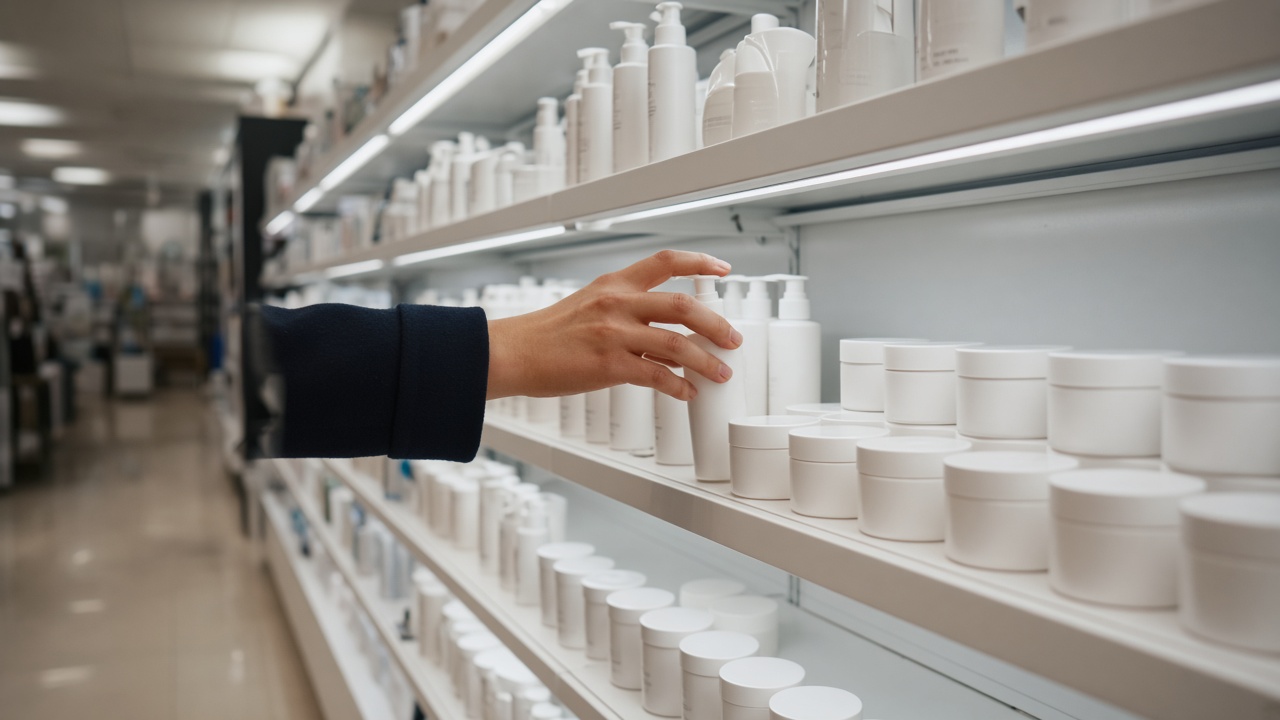
Sephora told store leads Monday to prioritize ceramide barrier creams on endcaps after American Academy of Dermatology member alerts noted a seasonal spike in contact dermatitis and eczema clinic visits when indoor heating replaces air-conditioned dryness—a merchandising reset Isabella Ramirez reads as ingredient logistics, not influencer fantasy.
Product and claim
Ceramides are lipids that help skin retain water; they appear in OTC moisturizers the FDA treats as cosmetics, not drugs, unless brands claim disease treatment. Sephora’s restock list centers CeraVe Moisturizing Cream, Dr. Jart+ Ceramidin, and Skinfix Barrier+ after August sell-through emptied Midwest distribution centers when heat waves kept shoppers indoors under dry HVAC.
In-store “skin reset” consultations—Sephora’s scripted 15-minute assessments—now recommend layering ceramide cream under SPF without promising cure language compliance teams vet.
What regulators and derm groups said
The AAD’s public guidance urges shorter showers and fragrance-free moisturizers when humidity drops; it does not endorse single brands. National Eczema Association lists ceramides as helpful for many barrier-defect patients but warns severe flares need prescription anti-inflammatories, not richer lotion alone.
Evidence in plain English
Peer-reviewed trials on ceramide creams show improved transepidermal water loss in small cohorts with atopic dermatitis; effect sizes vary by formula and vehicle. Sephora training slides cite meta-analyses without naming journals—a retail shorthand Ramirez flags so readers know marketing slides are not new science.
Who this is for
People with seasonal dryness and intact barriers benefit from occlusive layers; acne-prone shoppers may clog pores with heavy petrolatum bases in some bestsellers. Sephora’s shade-inclusive marketing still skews toward women 25–44, the demographic buying most prestige skincare even though men’s grooming aisles saw parallel restocks.
Who is being sold a fantasy
“Barrier reset” language implies damaged skin fully rebuilds in one week—dermatologists say repair takes longer when stripping acids were overused all summer. Brands bundling ceramide serum with exfoliating pads in the same endcap send mixed signals employees are trained to untangle at checkout.
Price and placement
Restocks hit 680 U.S. stores before October humidity swings; online inventory shows two-day shipping on core SKUs. Prestige prices run $38–$48 per ounce versus $15 mass-market tubs with similar ceramide NP listings on INCI labels—shoppers pay for texture and scent as much as lipid percentage.
Practical read
Read ingredient lists for ceramide NP, AP, and EOP plus cholesterol and fatty alcohols; ignore “clinical strength” tags without drug approvals. If redness persists two weeks, that is a clinician visit, not another cream cycle—Sephora’s policy allows returns on opened items within 60 days, but medical escalation beats loyalty points.
Sampling and allergens
Fragrance-free SKUs restocked faster than scented variants after store complaints about sample bar cross-contamination; Sephora paused open-jar testers in 120 doors with high allergy clinic density per a memo beauty leads circulated alongside the ceramide push.