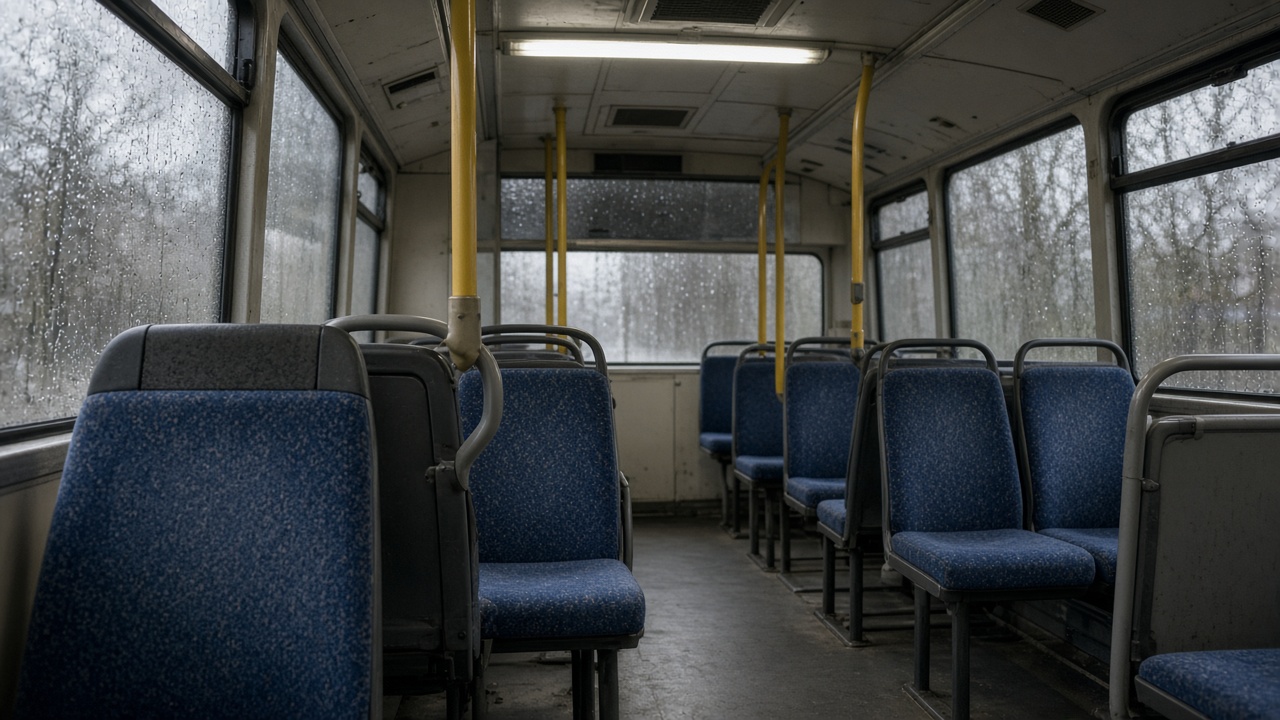
Commuters who treat bus seats like footrests or phone speakers like nightclub subwoofers face a sharper penalty from Wednesday, Sept 23, when updated public bus conduct rules take effect across Singapore. The Land Transport Authority (LTA) said fines of up to S$500 will apply to putting feet on seats, playing loud audio, littering and eating or drinking on board, aligning bus nuisance law with the stricter regime already familiar to MRT riders.
What the new rules cover
The regulations extend to bus interchanges and terminals, not just moving vehicles. LTA grouped the S$500 tier as everyday inconsiderate acts that erode the shared cabin. More serious misconduct—causing obstruction or danger at interchange concourses, or soiling any part of a bus or terminal—can draw fines up to S$5,000. The split mirrors Parliament’s October 2025 amendments to the Bus Services Industry Act, which Senior Minister of State for Transport Murali Pillai said were meant to give operators and regulators teeth without turning every shove into a criminal case.
Bus captains retain their existing powers under conditions of carriage: they can instruct passengers to comply, ask repeat offenders to alight without a fare refund, and stop the bus until police arrive if someone refuses. The new fines add a backend for cases that currently end at a verbal warning and a viral video. LTA’s Monday advisory ahead of Sept 23 emphasised safety and comfort, language MRT commuters already hear on platform screens.
Why now
Disruptive behaviour spiked back into policy debate after post-pandemic ridership returned and phone speakers became default entertainment on crowded services. Murali told the House last year that eating, drinking, litter and loud media were explicit targets, with higher penalties for repeat offenders. Security checks at interchanges—frisk searches and bag scans—were passed in the same bill, a separate track from nuisance fines but part of the same push to harden public transport hubs.
For households, the practical shift is monetary. A S$500 composition fine is roughly two months of adult transport passes on many lines, enough to sting a student or delivery rider who thought seat etiquette was optional. Parents ferrying children home from tuition may need to rethink snack wrappers and juice boxes that were tolerated when enforcement relied on social pressure alone.
Riding out the first weeks
LTA has not said it will flood services with enforcement officers on day one; bus operators typically rely on captains and interchange staff to de-escalate before issuing notices. Commuters who need audio can use headphones at a volume that does not bleed into the next row—a habit rail users adopted years ago. Feet-off-seats rules also protect priority seats for elderly and pregnant riders, a sore point in online clips that partly drove the legislative push.
The Sept 23 start date gives schools and employers a calendar hook for reminders before the year-end holiday crush. If the fine schedule dampens open-speaker trips without clogging courts, LTA may extend messaging to late-night services where noise complaints cluster. Until then, the policy is blunt: the bus is shared space, and the price list is no longer imaginary.
Interchanges and enforcement
Bedok, Boon Lay and Woodlands interchanges see some of the highest foot traffic in the network, and LTA’s interchange provisions mirror bus cabin rules so commuters cannot dodge fines by stepping off the vehicle. Security staff already manage queue spillover during peak hours; adding nuisance enforcement may mean more visible patrols but not necessarily immediate summonses. Operators SBS Transit, SMRT Buses, Tower Transit and Go-Ahead said they will brief bus captains on documentation steps when passengers refuse to comply after warnings.
For parents, the eating ban reinforces what many schools already tell pupils about keeping MRT and bus cabins clean. Tourists on airport services may need clearer signage in multiple languages at Changi-linked routes, where long luggage rides overlap with residential commuters. LTA’s advisory on Monday noted alignment with rail penalties, reducing the odd situation where identical behaviour drew different consequences depending on whether the trip started with an escalator or a bus stop pole.