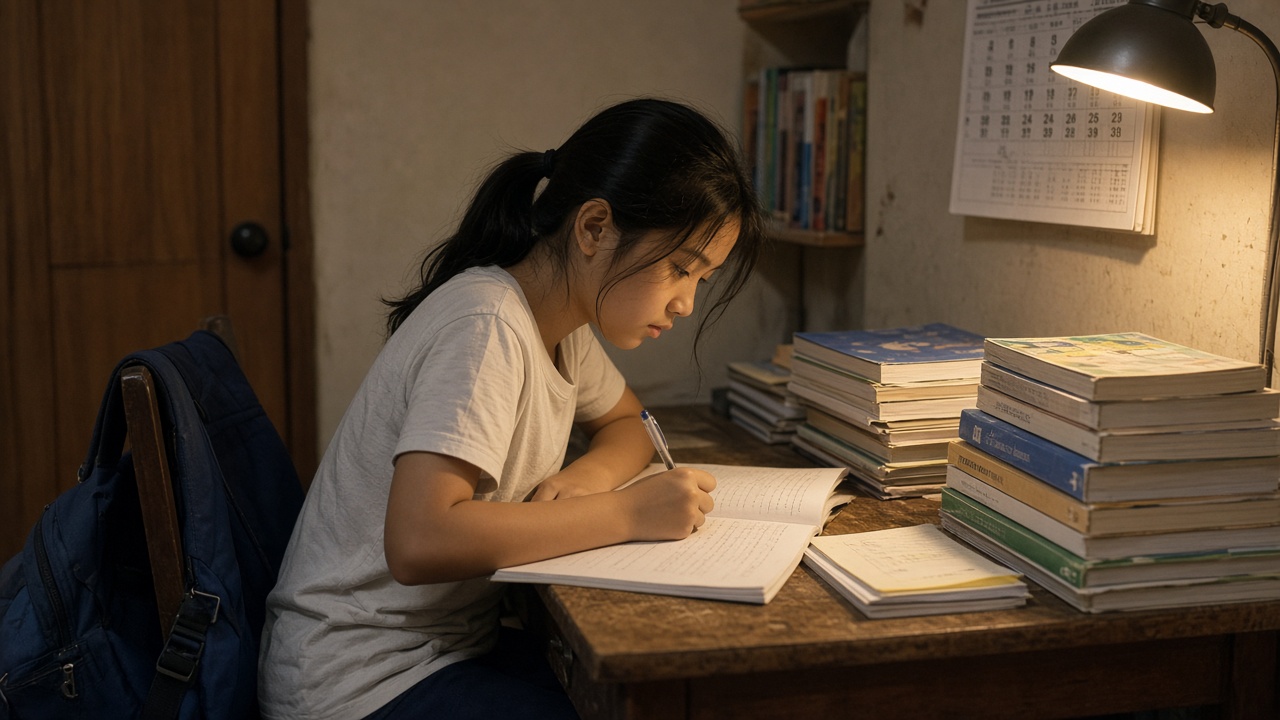
Across Singapore, Primary 6 classrooms emptied on Monday for a ritual that is part examination strategy, part welfare policy: the three-day PSLE study break mandated by the Ministry of Education from 21 to 23 September 2026. Schools told families to keep pupils home for revision while teachers remain on call for consultations; on Thursday, the written papers begin with English Language and Foundation English, kicking off a seven-day sprint that ends with Higher Mother Tongue on 30 September.
What the study break is—and is not
MOE’s study break is not an extra holiday. It compresses the last revision window before high-stakes papers while signalling that burnout helps no one. School letters, such as Ngee Ann Primary’s term-four notice, urge students to stay home, rest, and use online consults rather than cramming in hallways. Parents who cannot arrange childcare could request limited in-school support through MOE’s national mailbox by 17 September; selected pupils might be called back for targeted sessions, but the default is home-based revision.
Teachers often host Google Meet or Student Learning Space consults during the break. That hybrid support replaced the old image of open classrooms all day, but it keeps access for pupils who need last-minute clarifications on composition structures or science open-ended phrasing. The break also gives schools time to finalise seating plans, examination stationery packs, and briefing slides without competing with regular timetables.
Written paper sequence from 24 September
The Singapore Examinations and Assessment Board’s 2026 timetable locks seat times. English Paper 1 starts at 8.15 a.m. on Thursday 24 September, followed by Paper 2 later that morning. Mathematics papers land on Friday 25 September. Mother Tongue languages occupy Monday 28 September, Science on Tuesday 29 September, and Higher Mother Tongue on Wednesday 30 September. Foundation variants run parallel slots with shorter durations listed in Annex A of SEAB’s rules booklet.
Younger cohorts feel the ripple effects. Many primary schools schedule home-based learning for Primary 3 to 5 on English and mathematics examination days so halls stay quiet and buses are not shared with nervous twelve-year-olds. Parents should confirm dismissal plans school by school; the national timetable does not change, but traffic around gates will.
Household routines that actually help
Sleep hygiene matters more than one extra ten-year-series paper. Paediatricians and school counsellors repeat the same advice each year: keep wake times stable, serve regular meals, and cap late-night drilling. The study break exists so pupils can fix weak topics in the morning and stop by evening—cramming past midnight before English rarely improves composition scores.
Logistics deserve a checklist: NRIC or birth certificate for identification, approved calculators for mathematics, transparent water bottles, and analog watches without data functions. SEAB’s banned-item list is strict about smart devices; a forgotten rule can mean disqualification. Parents should rehearse travel routes to avoid construction delays near popular examination centres.
After the written papers
Marking exercises run 12 to 14 October, with results tentatively due 24 to 25 November according to SEAB’s candidate calendar. Oral and listening comprehension components already sat earlier in the year; the written week is the visible climax for families. For Primary 6 pupils starting the break on Tuesday, the task is simple on paper—rest, revise, and arrive Thursday with stationery in order—even if nerves make simplicity hard. The system has cleared the decks; the next moves belong to the children holding pencils on 24 September.