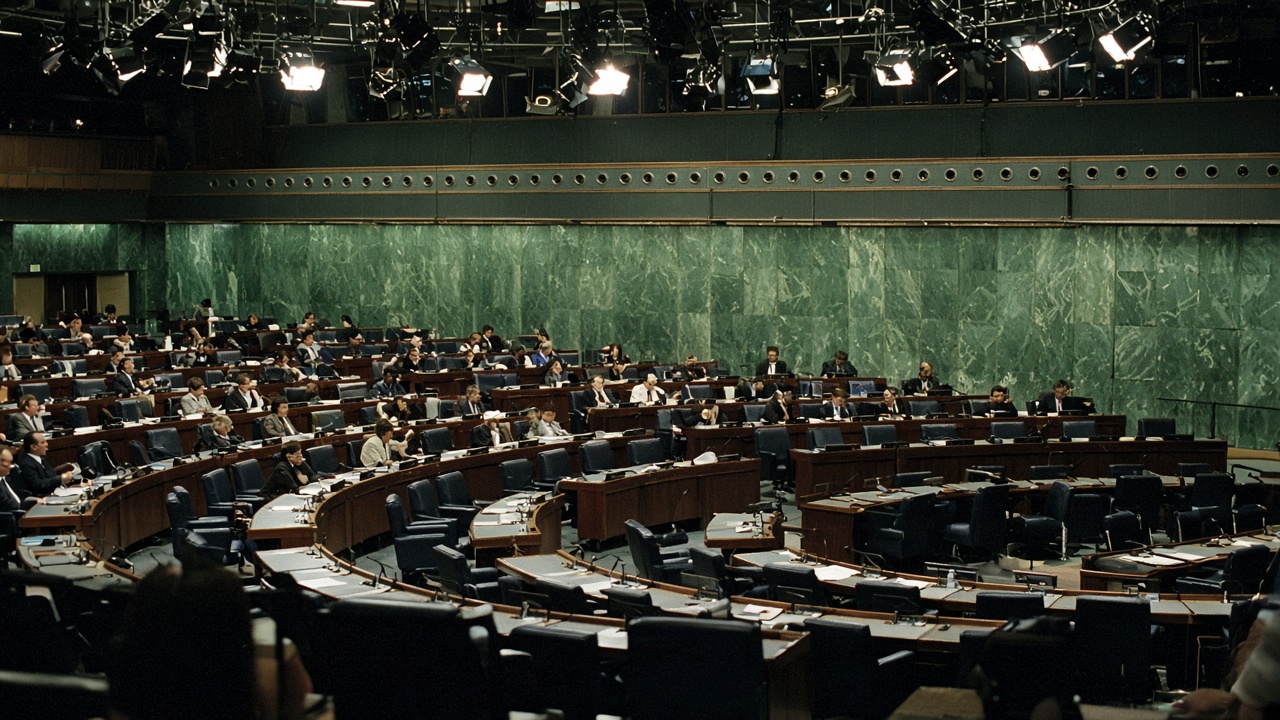
President Donald Trump used his United Nations General Assembly address on Tuesday to frame a stark choice over Iran’s seven-month war with the United States, asking whether he should “annihilate the Islamic Republic” or offer Tehran a path to rebuild. Most members of Iran’s delegation walked out during the passage, according to pool reports, yet hours later Trump told reporters that U.S. and Iranian officials had met directly in New York for the first time since February’s strikes opened the conflict.
What Trump said from the rostrum
Trump cast the war as proof that “peace through strength” had blocked an Iranian nuclear weapon, repeating claims his administration has made since the February campaign. He then pivoted to a rhetorical fork: negotiate a deal that lets Iran “create a far greater country than it ever was before,” or “annihilate the Islamic Republic and do it quickly, never giving them a chance to kill and destroy people and countries again.”
BBC News reported that Iranian diplomats left the hall as Trump escalated the language. Euronews noted the walkout included most of the seated delegation, while cameras stayed on Trump finishing the speech without interruption from the chair.
Direct contact despite the theatrics
The same afternoon, Trump confirmed that U.S. and Iranian officials had spoken on the sidelines of the assembly. Secretary of State Marco Rubio told reporters Trump remained open to meeting President Masoud Pezeshkian if schedules aligned, a shift from weeks when both capitals traded only threats across the Strait of Hormuz.
Reuters had already reported Iranian conditions for reopening Hormuz shipping, including eased port blockades and a public U.S. commitment to diplomacy. Tuesday’s rostrum rhetoric did not cancel those back-channel signals; it instead layered domestic politics onto a negotiation track moving in parallel.
Energy markets and allies watch
Trump tied the Iran war to record diesel and gasoline prices hurting his approval before November’s midterms, arguing that ending the conflict would stabilize fuel costs faster than export bans alone. European and Gulf leaders meeting Trump later in the day pressed for de-escalation along shipping lanes that feed Asian refineries.
Japan’s Prime Minister Sanae Takaichi and Saudi Crown Prince Mohammed bin Salman were among leaders on Trump’s Tuesday calendar, reflecting how Hormuz closures and Houthi strikes on Riyadh have chained Middle East risk to Pacific and Atlantic economies alike.
What changes next
Trump predicted a deal might wait until after U.S. elections, leaving Hormuz tanker traffic and refinery margins volatile through autumn. For the UN audience, the headline was theatrical; for diplomats, the confirmed sideline meeting mattered more than the walkout. Both capitals now face the same question Trump posed aloud: annihilation rhetoric, or a negotiated off-ramp with verification neither side has yet described in public.