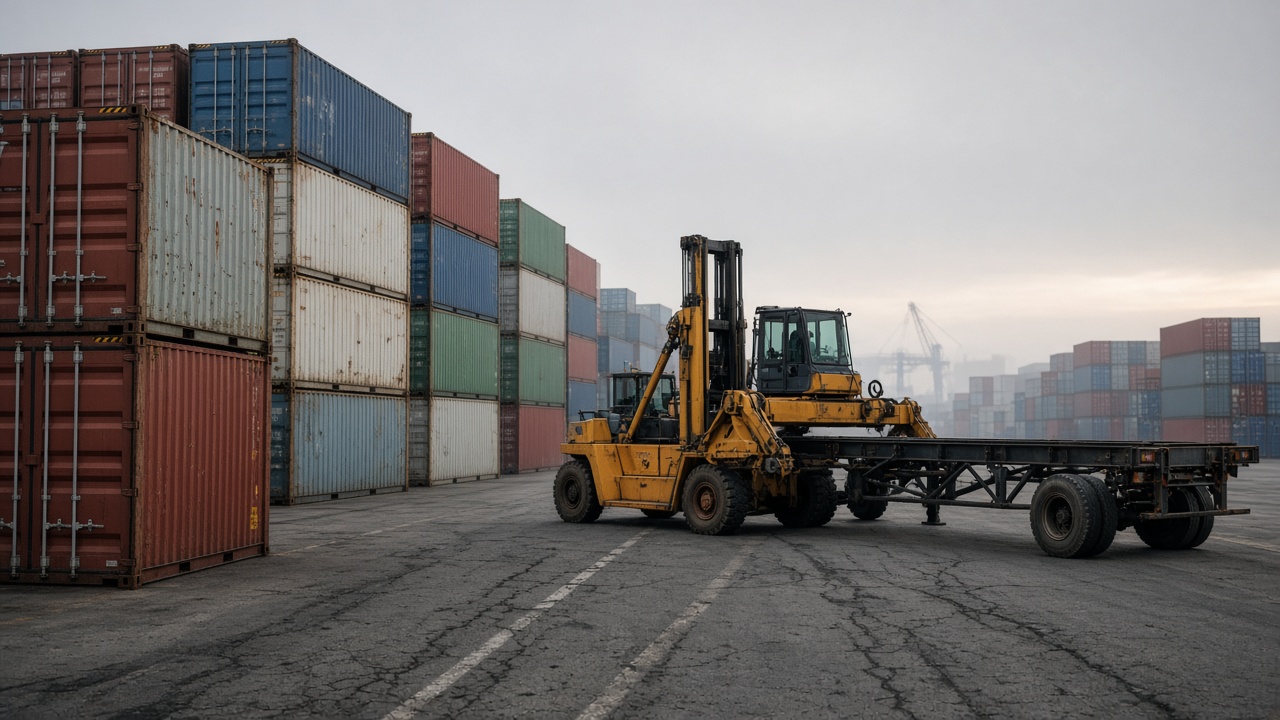
Walmart U.S. merchandising ordered a September pull-forward of holiday inventory through Gulf Coast ports after tariff-buffer receipts cleared Houston and Mobile faster than spring models predicted, staging toys, artificial trees, and wrapping SKUs in regional distribution centers before October floor sets while store associates in Texas and Florida heard the timing shift in huddle notes days before the investor relations deck mentioned port throughput.
Who made the call
Chief merchandising officer circles in Bentonville signed off on expanded September receipts after supply-chain analytics showed Gulf dwell time falling below five days on buffer containers booked when tariff headlines pushed vendors to ship early. James Hart reporting from DC and store-floor channels said regional managers got a September 12 playbook: receive holiday pallets ahead of planogram dates, flex backroom square footage, and delay non-seasonal endcaps—not layoffs, but overtime on unload crews through month-end.
Vendors on Walmart’s open-bid holiday list accepted revised ASN windows or risked losing endcap slots to competitors who already landed goods. Two toy suppliers confirmed to InfoHandle they redirected containers from Long Beach to Houston to match Walmart’s Gulf-first September window.
What employees heard that investors did not
Store team leads in Houston suburbs said morning huddles referenced “September buffer receipts” without tariff jargon—plain language about heavy backrooms and keeping aisles safe until modular sets drop October 1. Distribution center workers in Palestine, Texas, saw holiday SKU pick faces open early in the WMS; break-room talk was overtime signup, not strategy slides.
Investors heard port language only on a supply-chain blog post citing “disciplined inventory positioning” ahead of peak. The gap between associate huddles and IR adjectives is the story Hart tracks: strategy here is headcount on the dock, not a press release verb.
Is strategy headcount?
Walmart added seasonal DC labor through staffing agencies rather than new full-time lines—a choice that keeps flexibility if tariff policy shifts again before Black Friday. Store payroll budgets unchanged, but backroom congestion pushes some stores to schedule extra unloads on overnight shifts managers bill to “peak prep” codes finance reviewers rarely challenge in September.
Competitors Target and Amazon inbound teams watch Walmart Gulf pulls; neither confirmed identical September holiday surges, but NRF holiday surveys already assume earlier promotions. Walmart’s move forces vendors to finance inventory earlier, a supplier cash-flow fight merchants win when they control endcap real estate.
Tariff buffer mechanics
Buffer buys—inventory landed before potential duty step-ups—show in Census import data as elevated general merchandise through Gulf customs districts this month. Walmart’s cost of goods sensitivity makes early receipt a hedge: pay storage in DCs now versus pay higher landed cost later if tariffs move. Gulf routing also avoids West Coast labor action risk vendors still price into quotes.
If policy stabilizes, Walmart can slow October receipts and smooth margins; if duties rise, early inventory avoids pass-through fights during toy commercials. Store teams experience that as pallets now, price tags later.
What the shop does next
October planogram resets stay on calendar; the change is backroom timing and port routing, not customer-facing sets yet. Merchants must decide whether to advertise early availability or hold stock for November doorbusters—a fight between inventory carrying cost and competitor steal traffic.
For associates, next steps are physical: clear backrooms, stack safely, and absorb overtime without burnout before Halloween candy overlaps Christmas wrap. For Bentonville, the question is whether September Gulf receipts become permanent rhythm or a one-year tariff artifact—and whether workers keep hearing plain huddle language while investors get “positioning” slides that never mention the dock door by name.
Vendor cash and shelf risk
Suppliers financing early production lines borrow against Walmart POs; delayed shelf placement shifts their cash conversion cycle even when Walmart DCs accept pallets. Merchant teams that pushed pull-forward must defend in-stock metrics if tariff fears fade and competitors undercut on late-season promotions—store workers will hear markdown conversations in November, not September, but the inventory they stacked this month determines how painful those talks become.