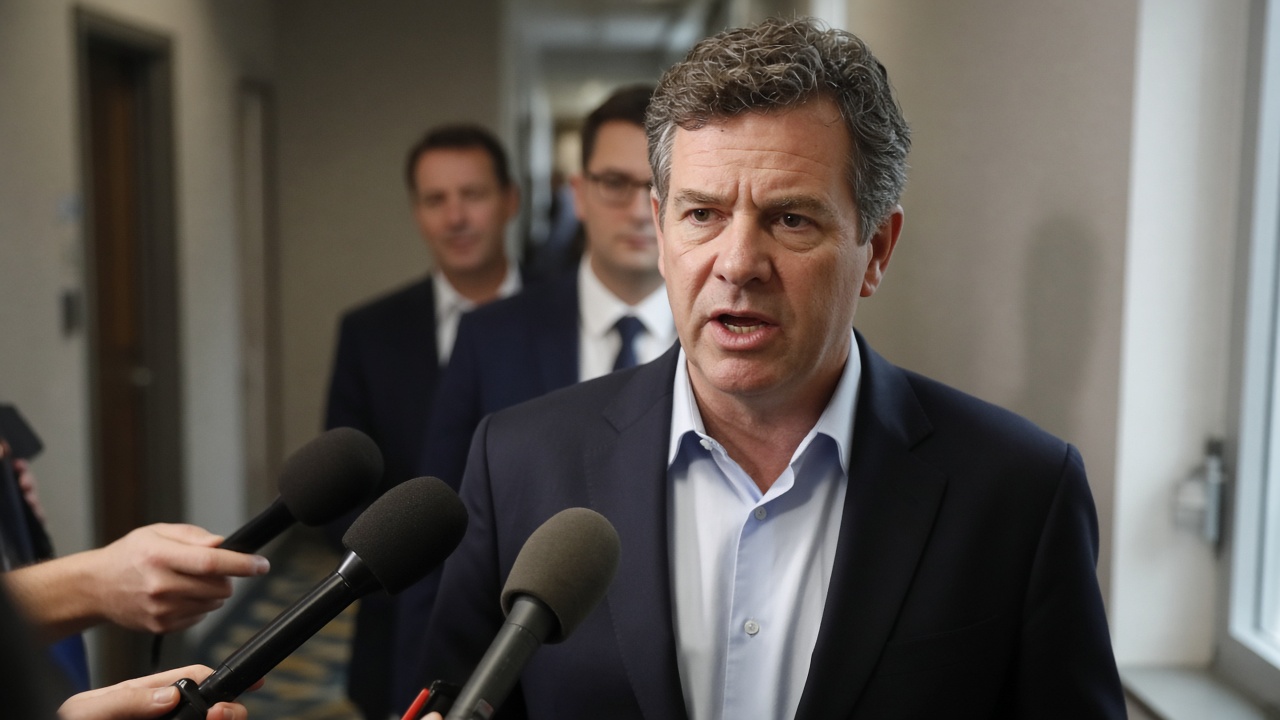
Australian Prime Minister Anthony Albanese pushed back Tuesday against Washington’s criticism of new draft social media laws, telling reporters in New York that the package is designed to hand control back to parents—not to let Canberra dictate political speech on global platforms.
What the draft laws would do
The proposed legislation would impose a statutory duty of care on social media companies to protect users under 18 from bullying, self-harm material and pornography, with fines of up to A$109 million if platforms fail to build safer defaults. The rules build on world-first legislation that barred children from major networks in December 2025, part of a broader effort to curb what Albanese calls “predatory algorithms.”
Government fact sheets say companies must offer age-appropriate feeds, limit unsolicited contact from strangers and provide clearer reporting tools. Draft text is open for consultation with industry, civil society and parents’ groups before introduction to parliament later this year.
Washington’s warning
The U.S. embassy in Canberra issued a statement on Monday raising “serious concerns” that the duty-of-care model could let regulators impose rigid, one-size-fits-all product designs on services headquartered in the United States. Embassy officials argued the measures would largely hit American firms and stressed U.S. opposition to foreign rules that result in “extraterritorial censorship of protected speech by Americans online.”
Albanese, speaking after bilateral meetings at the United Nations General Assembly, said Australia respects the U.S. alliance but would not outsource child safety to Silicon Valley boardrooms. “This is about taking back control for families,” he said, according to a pool transcript. “It is not about government telling adults what they can read.”
Industry and legal pushback
Meta and Google lobbyists told a Senate committee in Canberra last month that prescriptive design mandates could fragment global products and slow security patches. Digital-rights groups welcomed stronger youth protections but asked for independent judicial review before regulators order feature changes.
The attorney-general’s department said penalties would target systemic failures, not individual posts, and that free-expression safeguards mirror those in Australia’s online safety act. Still, the U.S. statement signals potential friction when Albanese visits Washington later this year for AUKUS consultations.
Political stakes at home
Opposition leader Peter Dutton said the government must publish legal advice showing the draft survives constitutional free-speech challenges, while the Greens demanded faster timelines after reports of teen self-harm clusters linked to recommendation algorithms. Albanese’s Labor government faces a Senate crossbench that has already amended the under-16 ban once this year.
For Australian families, the immediate question is whether platforms will preview child-safe modes before parliament votes. For diplomats, the spat is another data point in a trans-Pacific debate over who sets rules for the internet when two allies share intelligence but diverge on content liability.