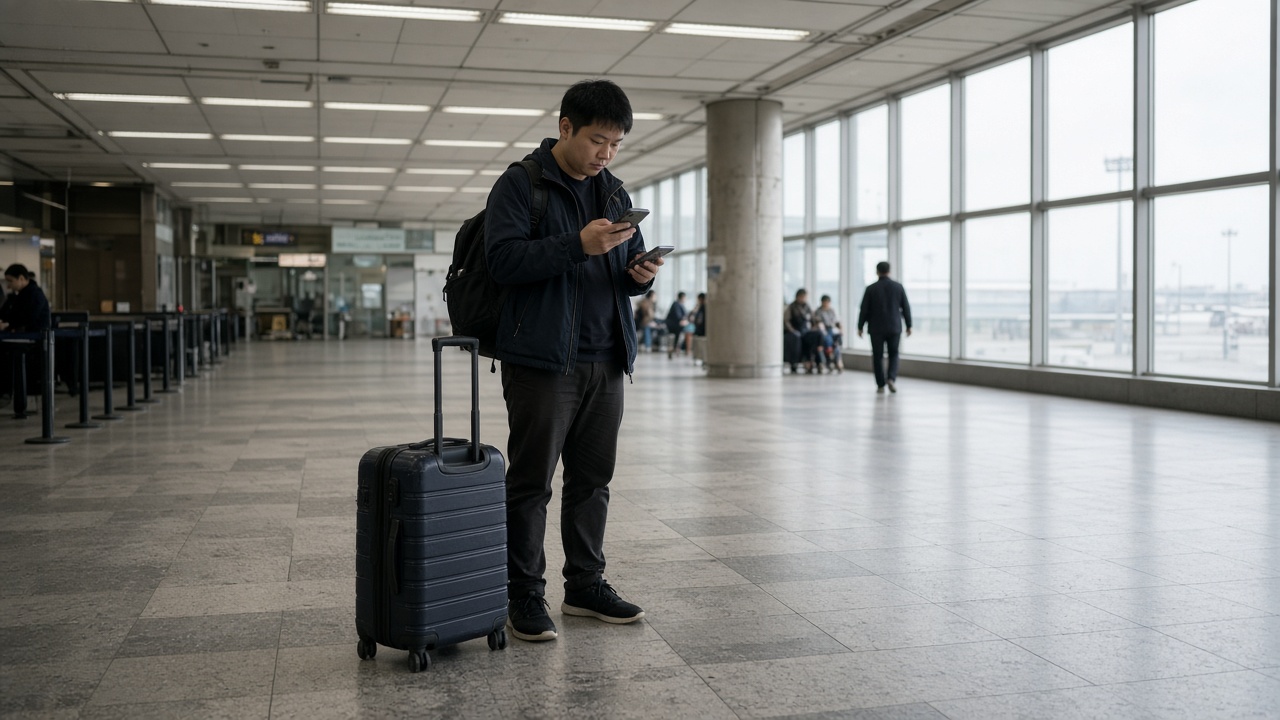
Asus Computer Inc. and Taiwan's three nationwide carriers paired the latest ROG Phone preorder wave with optional mid-band 5G roaming day-pass bundles for Japan and select Southeast Asia routes, according to channel sheets distributors received Monday and consumer portal updates InfoHandle reviewed. The bundle is not a new handset revision—it is a timed retail package meant for Mid-Autumn and October holiday travelers who want carrier-certified radio profiles and roaming counters on the same eSIM profile they pick up at the store, without buying airport kiosk SIMs that lack gaming-optimized QoS flags.
What the bundle actually includes
Preorder customers who choose the roaming SKU get thirty or sixty mid-band day passes credited to the carrier account tied to the phone's primary line. Passes activate on first overseas registration on partner networks Chunghwa, Taiwan Mobile, and Far EasTone each list in PDF footnotes—typically NTT Docomo and SoftBank bands in Japan and AIS mid-band in Thailand for the launch window. The ROG unit ships with dual-SIM slots; carriers preload a profile that keeps Taiwan voice on slot one while data roams on slot two, reducing bill shock from background game patches.
Accessory bundles that paired cooling fans and controllers remain separate SKUs; roaming credits do not apply to Asus direct-store queues, only carrier reservations with deposit cleared within the seventy-two-hour hold window Asus tightened this month.
Why mid-band matters for travelers
Low-band roaming often satisfies messaging but throttles competitive mobile titles; carriers said mid-band partners were chosen where Taiwan outbound traffic peaks during holiday weeks. NCC type-approval for the phone already covered local mid-band; roaming is a commercial bundle, not a firmware unlock. Store staff in Taipei Songshan and Taoyuan airport corridors said demo units show latency benchmarks against generic travel SIMs—a marketing tactic Asus used when vapor-chamber allocations slipped and pickup dates moved forward by a week.
Inventory and pickup rules
Roaming SKUs share the same constrained first-wave allocation as standard preorders; carriers cap roaming bundles at roughly thirty percent of weekly shipment slots so walk-in buyers without travel plans are not locked out. Pickup still requires responding to SMS within five business days; unused roaming credits expire ninety days after activation, not at purchase— a change from last year's use-it-or-lose-it December cutoff that angered business travelers.
Asus's Hsinchu kitting line loads carrier-specific antenna tuning before boxes reach stores; roaming profiles are provisioned at account creation, not at factory, so last-minute destination changes remain a call-center task.
What breaks in support
Roaming disputes land on carrier billing first; Asus service depots handle hardware only. Gamers who root devices or flash regional ROMs void roaming bundle eligibility in fine print. Liquid-damage swaps preserve remaining pass counts if the IMEI maps to the original reservation—policy copied from iPhone travel promos.
Competition and gray market
Parallel import sellers advertise cheaper Japan data SIMs; carriers counter that mid-band partners include VoLTE fallbacks for Taiwan numbers that gray-market cards lack. MediaTek-powered rivals undercut phone price but omit bundled roaming; Asus defends premium with thermals and carrier financing tied to matched serials.
Regulatory posture
MODA consumer roaming transparency rules require carriers to show per-megabyte caps in Traditional Chinese before checkout; all three complied on web flows InfoHandle tested. No NCC enforcement action is pending—the friction is allocation, not compliance.
Buyer checklist before holiday departures
Confirm destination networks in the bundle footnote, disable auto-updates on cellular unless passes cover patch size, and screenshot reservation IDs before pickup. For Taiwan buyers treating ROG preorders like concert tickets, the roaming bundle is optional insurance against airport SIM queues—not a reason to skip the deposit alarm if first-wave stock remains smaller than keynote slides implied.
Channel checks showed Kaohsiung stores had shorter roaming SKU waitlists than Taipei flagships because fewer outbound travelers preordered gaming handsets in the south—a split Asus may rebalance before Double Ten week.
Analysts covering Asus still treat handset revenue as immaterial to consolidated earnings; carrier co-marketing rebates on launch week matter more for laptop attach. Asus shares were quiet Monday; investors read ROG as brand heat with a bill of materials, not a volume driver.
Far EasTone staff in Taichung said roaming SKUs sold faster among esports teams flying to Seoul invitational scrims than among general tourists—a niche Asus marketing may lean into if second-wave allocations arrive before Double Ten. Warranty terms unchanged: two-year manufacturer coverage plus optional carrier damage riders billed separately from roaming passes.
MODA's September consumer bulletin reminded travelers that roaming passes do not override destination fair-use policies; carriers may throttle after daily fair-use ceilings even on mid-band partners. Asus community forums pinned a Traditional Chinese FAQ on disabling game launchers from cellular updates—a practical step bundled promos omit.