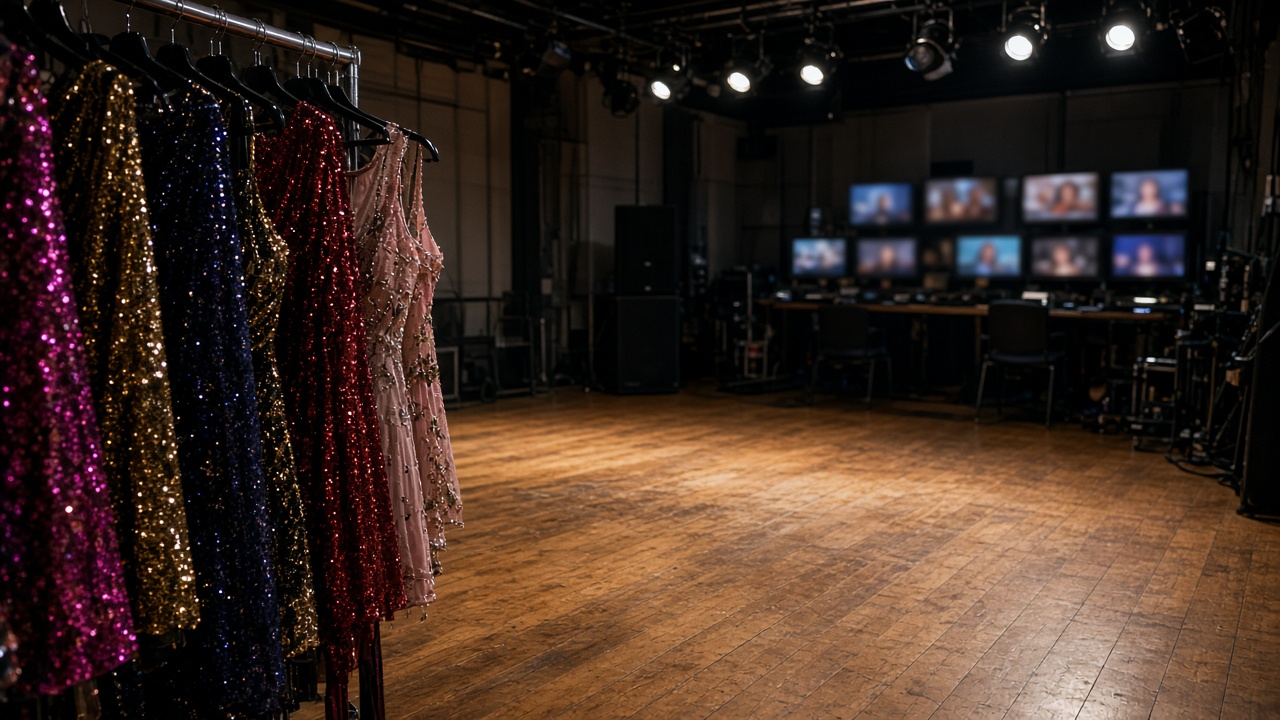
BBC One will open the twentieth-anniversary Strictly Come Dancing series on Saturday with a pre-recorded launch show naming the celebrity-pro pairings and a live follow-on programme, after schedulers locked transmission times despite fresh Westminster debate over whether peak Saturday hours should fund ballroom entertainment while the licence fee settlement remains unresolved, according to briefing notes shared with affiliates and reviewed by InfoHandle. The lineup itself—mixing broadcast personalities, athletes, and one comedian with returning professional dancers—was not the controversy; the argument is who pays and what else must shrink if Strictly keeps its 7 p.m. berth.
Who pays and what viewers get
Strictly is licence-fee programming, not a subscription product; commercial income arrives through BBC Studios format sales overseas, but the Saturday block on One is domestic public money. Culture Secretary press lines this month questioned whether inflation-linked fee deals can simultaneously protect news, local radio, and high-cost entertainment without deeper iPlayer or staffing trade-offs—rhetoric ahead of charter review, not a same-week budget cut. Audiences still receive a two-hour launch window plus iPlayer catch-up; affiliate regions keep their usual late-evening slots unless sport overruns.
Licence-fee politics versus the gallery clock
Opposition MPs used launch week to argue Strictly symbolises BBC popularity that justifies the fee; government backbenchers countered that frozen fees already forced content savings and that Saturday talent costs crowd out daytime education. BBC press office pointed to Ofcom’s performance framework, which measures reach and portrayal across genres—not per-show profit. None of that changes this Saturday’s router settings; it shapes whether next year’s series orders shrink guest fees or move one episode solely to iPlayer.
Production economics
Strictly’s studio footprint at Elstree competes for the same lighting rigs as The Traitors and election night; launch week budgets include orchestra buyouts and costume quick changes that do not appear in news bulletins’ line items. BBC Studios can license format rights abroad, but the domestic hour is still scored against public-service obligations—balance, accessibility audio, and compliance edits on voting phone lines.
What audiences should expect
If you watch for the pairings, they drop during the launch show with iPlayer holding extended rehearsals. If you watch for policy drama, Westminster will keep talking past Saturday; the BBC’s immediate deliverable is a confirmed bill, not a fee settlement. Regional viewers on Freeview should see national start times hold unless major breaking news preempts—Strictly historically yields to live events, not committee statements.
Window for the industry
Indies bidding for Strictly adjacent slots still face BBC in-house preference rules; launch week ratings set autumn advertising around continuity trails, not the show’s own ad load. For performers, the actionable fact is the confirmed air date—rehearsals already ran under union agreements before the licence-fee headlines landed, and withdrawal was never on the table this close to transmission.