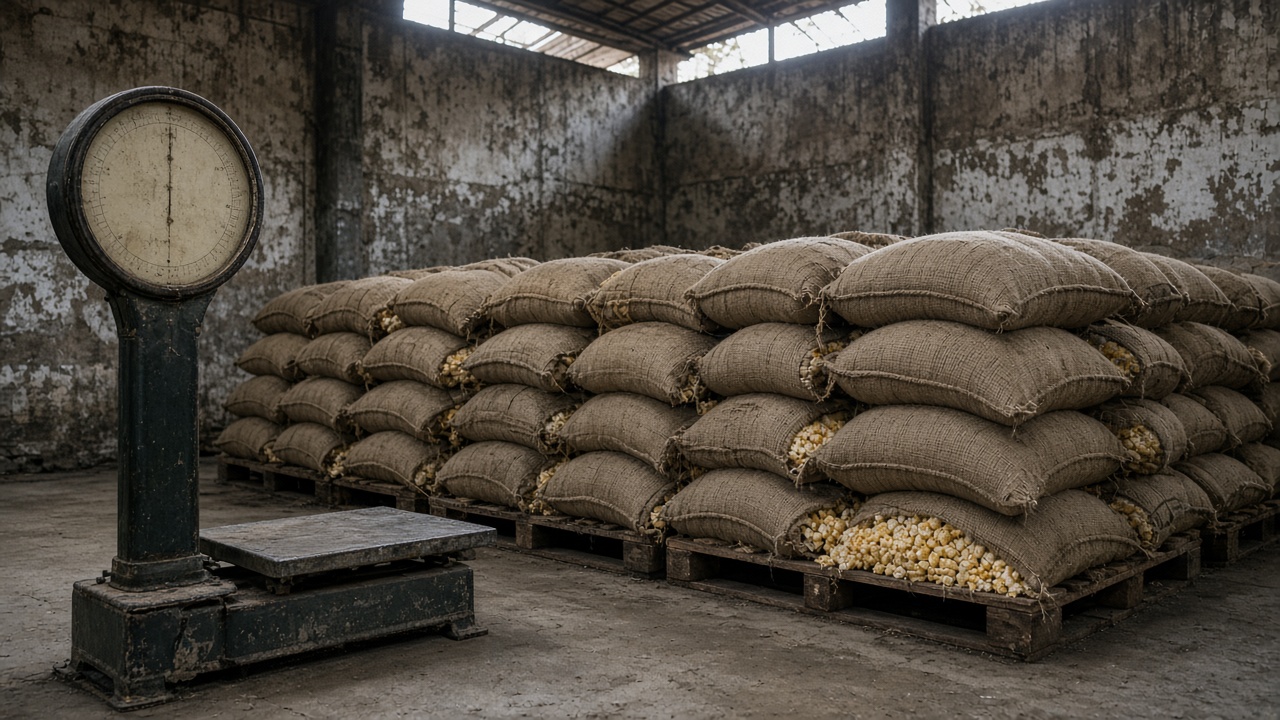
DeHaat Networks expanded warehouse receipt financing for maize traders in Bihar’s harvest belt, connecting Warehousing Development and Regulatory Authority–accredited godowns to lender APIs that let farmers pledge graded grain lots for short-term credit instead of selling immediately into distressed mandi prices or borrowing from informal moneylenders at festival-season rates. The programme adds maize to DeHaat’s existing wheat and paddy receipt lines in Uttar Pradesh and Bihar, targeting October arrivals when moisture-sensitive logistics strain smallholders’ cash flow.
How receipt financing works
Farmers deposit maize at partner warehouses where assayers grade moisture and foreign matter, issuing electronic negotiable warehouse receipts DeHaat digitizes on its platform. Participating banks—regional rural banks and cooperative lenders in the pilot—advance up to a loan-to-value ratio against receipt face value, with DeHaat’s software tracking lien status and alerting if storage fees lapse. Upon sale, traders repay loans and receipts cancel atomically in the registry WDRA monitors.
DeHaat earns facilitation fees and input cross-sell opportunities rather than carrying credit on its balance sheet; non-banking finance partners previously piloted similar flows but lacked last-mile agronomist networks DeHaat uses to onboard godown managers.
Why Bihar maize this season
Bihar ranks among top maize-producing states; rabi and kharif arrivals overlap Navratri and Diwali demand spikes from poultry feed mills and ethanol blenders. Mandi prices whipsaw when Uttar Pradesh export corridors clog; warehouse receipts let farmers time sales without storing sacks in homesteads where rodents and humidity spoil grain.
State agriculture department circulars encouraged WDRA registration among private godowns along Patna–Muzaffarpur highways; DeHaat mapped accredited sites into its app with geotagged photos so lenders trust collateral location—a friction point in earlier NABARD schemes that stalled on paper receipts.
Lender and regulator stakes
NABARD’s warehouse receipt financing guidelines cap interest spreads and require insurance on stored grain; DeHaat bundles parametric weather alerts so godown managers ventilate stacks when humidity sensors spike. WDRA inspectors audit receipt issuance; duplicate pledging scandals in other commodities make biometric farmer KYC mandatory before first drawdown.
Regional rural banks gain qualified collateral they struggled to underwrite when visiting scattered farms; chief credit officers said receipt digitization cuts appraisal costs if DeHaat’s lien API integrates with core banking systems—a technical project still rolling district by district.
Risks farmers still face
Storage fees accrue monthly; if maize prices fall below loan value, farmers face margin calls or forced sales DeHaat mediators negotiate with lenders. Insurance claims after fire or flood require documentation smallholders find burdensome; DeHaat staffs helplines in Bhojpuri and Magahi for the pilot.
Informal lenders compete with same-day cash without grading waits; DeHaat’s field teams pitch receipt loans as cheaper over 60-day holds when poultry feed demand rebounds post-festivals—a bet on price seasonality not all farmers trust after 2024 volatility.
Competitive landscape
Agritech rivals AgroStar and nurture.farm pursue input financing; few combine receipts with advisory apps DeHaat uses to recommend hybrid seeds for next season. Global development agencies funded WDRA digitization grants DeHaat’s stack plugs into, lowering integration cost versus greenfield warehouse software.
State government procurement at minimum support price competes for maize lots; receipt financing targets the open-market share farmers sell to private traders when MSP centres fill early.
Scale expectations
DeHaat targets thousands of tonnes pledged through November if weather stays dry enough for safe storage; investors in its venture rounds watch credit facilitation gross merchandise value as a leading indicator ahead of potential public listing chatter. For Bihar maize growers, success is measured in fewer midnight sales to traders offering spot cash at a discount—and more mornings checking receipt-backed loan balances on a phone instead of counting mouldy sacks in the courtyard.
Field operations
Agronomists on DeHaat’s payroll train warehouse staff to sample maize ears consistently before sealing lots, reducing disputes when buyers claim grade slippage at release. Lenders receive SMS alerts when receipts approach expiry so loans close before WDRA mandates re-inspection fees that eat farmer margins.
Bihar cooperative banks not yet on the API waitlist paper-based pledges DeHaat promised to backfill by December—a timeline district managers said depends on WDRA server uptime during peak upload windows after harvest trucks queue at godown gates.