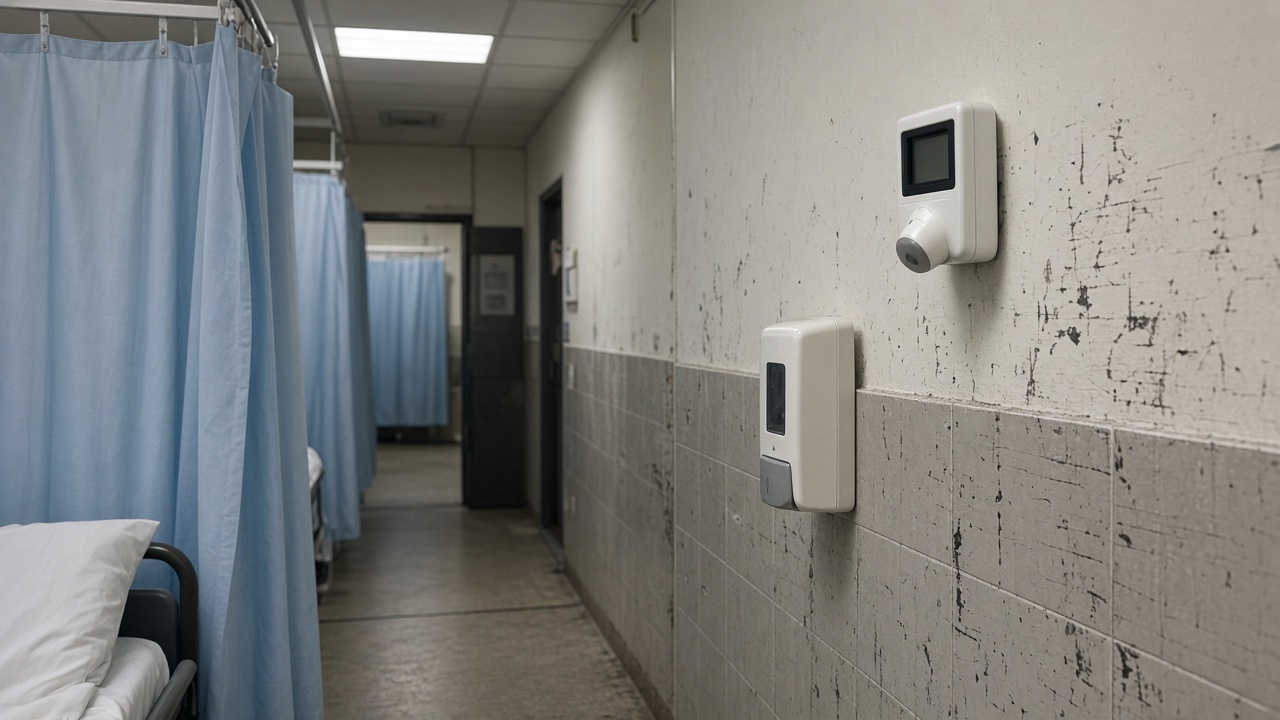
Fortis Healthcare added 22 monitored isolation beds on its Noida Sector 62 respiratory ward this week after Gurgaon district education officials flagged cluster-style influenza absences at six private schools along the Delhi–Gurgaon expressway corridor, according to bed-roster updates infection-control nurses circulated Monday and a patient-advisory sheet the hospital posted for paediatric OPD visitors. The move is capacity planning, not a government mandate—but it signals how NCR hospitals are staging beds before Navratri gatherings mix children from multiple classrooms.
What clinicians are seeing
Most children present with high fever, sore throat, and dry cough lasting three to five days; a smaller fraction develop wheeze requiring nebulisation. Fortis registrars said rapid influenza diagnostic tests are positive in roughly two-thirds of admitted paediatric cases this fortnight, with the remainder split between adenovirus and seasonal coronavirus strains the National Centre for Disease Control tracks in its weekly bulletin format. Adults are admitted mainly when comorbidities—uncontrolled diabetes or postpartum patients—tip oxygen needs.
What schools reported
Gurgaon block education officers asked principals to log daily fever absenteeism after three campuses crossed internal thresholds—more than 8 percent of a single grade out on the same day with influenza-like illness. Letters to parents repeat ICMR-aligned guidance: keep children home until 24 hours after fever resolves without paracetamol, not merely when rash or cough improves. Fortis did not name schools; hospital public affairs said referrals arrived from paediatricians in Sector 45 and Golf Course Road clinics who prefer inpatient observation when SpO2 dips at night in young asthmatics.
Evidence and what it means in a waiting room
ICMR seasonal summaries note influenza A subtypes circulate after monsoon humidity drops in north India; vaccination coverage in children remains patchy outside private school campaigns. Antivirals such as oseltamivir help when started within 48 hours of symptom onset in high-risk groups, but Fortis educators told families most healthy children need hydration, antipyretics, and isolation—not automatic admission. Unnecessary ER visits clog triage when district hospitals still run post-dengue observation protocols alongside influenza.
Pressure on neighbouring facilities
Jaypee Hospital and Kailash Hospital in Noida said they mirrored extended paediatric observation hours but did not add beds. Delhi government paediatric wards remain the backstop for uninsured patients; Fortis’s expansion targets insured families who can pay for single-room isolation when siblings must stay home from school. Blood banks report no influenza-linked platelet crunch—unlike dengue seasons—so the bottleneck is nursing ratios on night shifts.
What parents should not do
Do not dose adult cold combinations to children; call-centre scripts flagged social-media recipes with banned sedating antihistamines. Do not send children to garba practice while febrile because “the fever is low”; shedding peaks in the first 48 hours. If breathing is laboured or lips turn blue, use emergency doors; for stable fevers, tele-consults may suffice if SpO2 stays normal on home pulse oximeters.
Fortis will review bed counts after Gurgaon district publishes its next absentee aggregate. For now the operational change is more timed isolation chairs and explicit school-cluster counselling—not a new disease, but a predictable post-monsoon surge hospitals in Noida planned for before festival travel stacks households together.