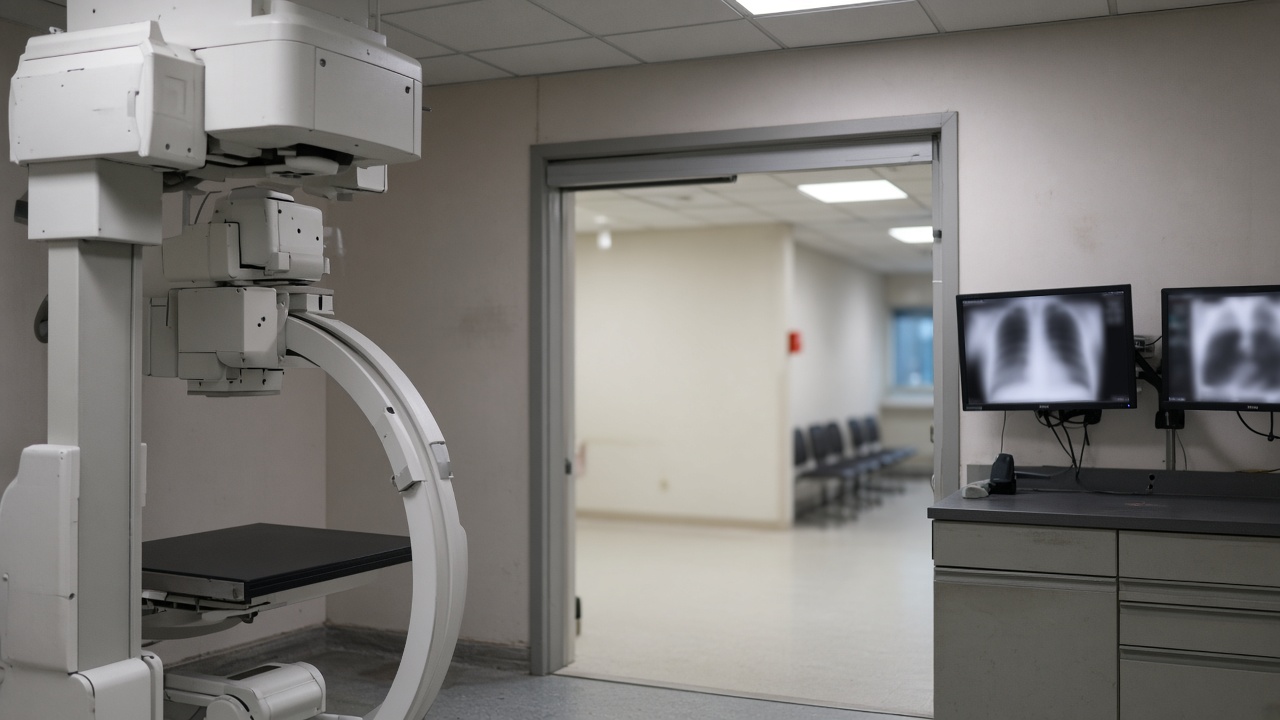
Harrison.ai Ltd has signed a Queensland Health imaging validation pilot across regional hospitals, deploying its Annalise.ai chest X-ray triage assistance under clinical governance before any statewide procurement, according to people familiar with the agreement and public materials from the Sydney-founded vendor. The pilot targets emergency and inpatient workflows where radiologist coverage thins on nights and weekends outside Brisbane and the Gold Coast.
What Queensland is testing
Queensland Health’s digital hospital program has modernised picture archiving and communication systems in waves; the Harrison pilot layers AI flags on routine chest radiographs, prioritising studies that algorithms score as higher acuity for human review. Harrison.ai markets Annalise Enterprise with Therapeutic Goods Administration registration as software as a medical device; Queensland clinicians will validate sensitivity and specificity against local patient mixes rather than accepting offshore benchmark sheets alone.
Regional sites in North Queensland and the Wide Bay—where locum radiology can be scarce—are priority locations. The pilot records turnaround times, override rates when radiologists disagree with suggestions, and integration friction with existing worklists.
Why Harrison.ai now
Harrison.ai raised growth capital from investors including Horizons Ventures and has expanded from IVF embryo scoring into radiology through Annalise.ai. Competitors including Aidoc and local university spinouts pitch similar triage tools; Queensland’s pilot gives Harrison a reference inside Australia’s second-largest state health system.
Chief executive Aengus Tran has emphasised registration and clinical evidence in public talks; the Queensland agreement stops short of exclusive statewide rights, leaving room for competitive tenders if validation succeeds.
Clinical and workforce stakes
Radiology colleges caution that AI triage assists rather than replaces reporting radiologists; Queensland’s governance board includes senior imaging specialists and patient-safety representatives. Nurses and junior doctors ordering portable chest X-rays in regional emergency departments stand to benefit if critical findings surface faster, but liability remains with licensed clinicians who sign reports.
The TGA’s software-as-a-medical-device framework requires post-market surveillance; Harrison must report adverse events and algorithm updates. Queensland Health said any production rollout would follow human-factors testing and Aboriginal and Torres Strait Islander community consultation where outreach hospitals participate.
Technical integration
Pilot hospitals already on enterprise imaging vendors will route DICOM studies through Harrison’s gateway; IT teams must ensure on-premise or cloud hosting meets Queensland’s cyber standards. Bandwidth from remote sites can delay uploads; the pilot includes metrics on failed transfers.
Funding sits inside digital transformation budgets rather than a separate startup grant, signalling operational intent if metrics clear the bar. Harrison.ai did not disclose pilot fees; industry observers expect per-study pricing if contracts expand.
Investor and policy context
Federal government AI in healthcare inquiries have asked how states validate foreign-trained models on Australian populations. Queensland’s structured pilot answers part of that question with local data under hospital ethics oversight. Other states watch results before duplicating trials.
For Harrison.ai’s cap table, a Queensland reference de-risks conversations with Asian health systems seeking Anglo-Pacific precedents. Failure would not end the company—IVF and other lines continue—but would slow radiology sales domestically.
What success looks like
Patient communication
Queensland Health has not mandated patient disclosure when AI assists sorting worklists; consumer advocates argue transparency should match surgical robot consent norms. The pilot ethics application reportedly requires posters in participating emergency departments explaining that algorithms may prioritise imaging—details hospitals can adjust before any permanent policy.
Rural health advocates welcome faster reads but warn against false reassurance if AI misses subtle findings; override metrics will be watched closely in quarterly governance reviews shared with clinical senates.
Validation endpoints include reduced time-to-report for flagged critical cases without increasing false negatives clinicians must unwind. Queensland Health will publish a summary for clinicians if the pilot completes on schedule; until then, regional patients may already see faster reads without knowing AI ranked their scan in the queue. Harrison.ai is betting that regional hospitals are the proving ground where triage AI either earns clinician trust or joins the long list of promising tools that never survive budget rounds.