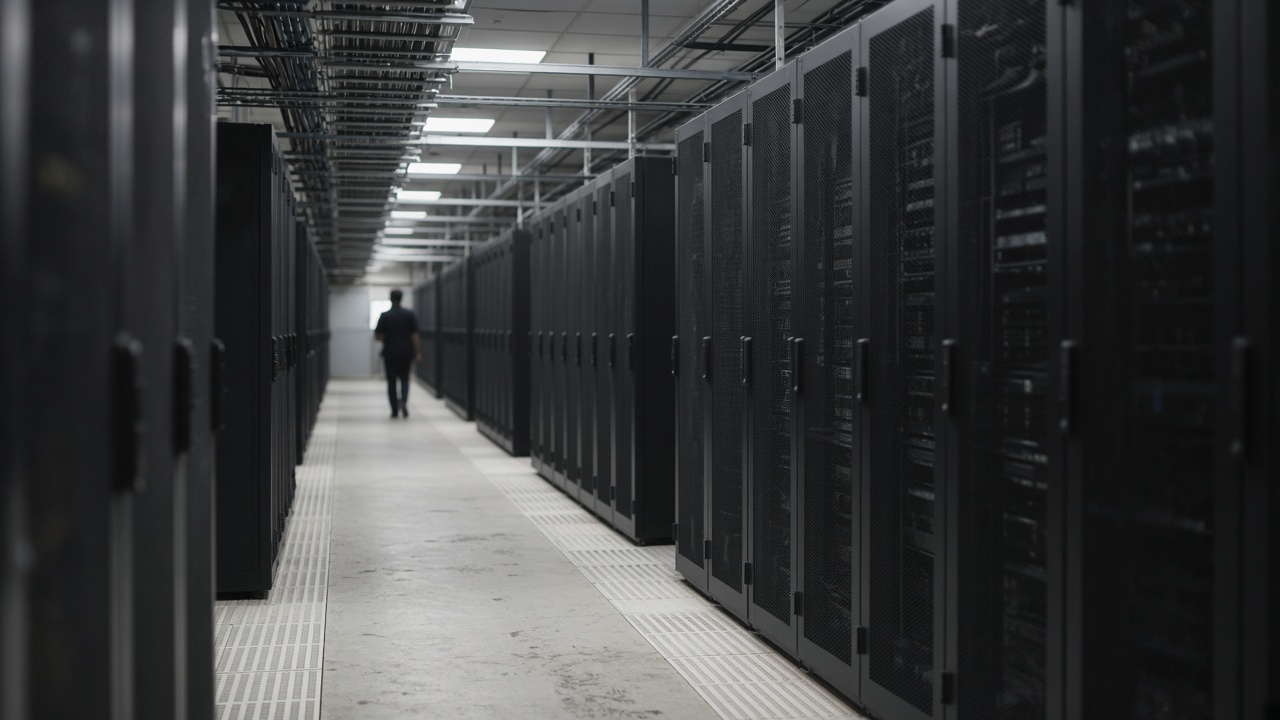
HCL Technologies Ltd. said it finished installing an on-premises generative artificial intelligence stack at National Informatics Centre–linked data centres in Noida, enabling selected ministries to run retrieval-augmented assistants on citizen-service knowledge bases without routing prompts to U.S. hyperscale application programming interfaces. The deployment pairs HCL’s AI Force orchestration layer with GPU clusters air-gapped from the public internet except through audited API gateways ministry security operations centres control.
What ministries get
Technical summaries shared with integrators describe vector indexes built from sanitized policy circulars, help-desk scripts, and frequently asked questions—never raw Aadhaar or income-tax payloads. Civil servants query the assistant from departmental intranets; responses must cite document identifiers compliance officers can audit. HCL configured role-based access so junior desk staff see different corpora than joint-secretary policy cells.
Model weights run on premises licensed from partners HCL declined to name in public statements, citing customer confidentiality; MeitY officials previously encouraged sovereign AI pilots that keep inference inside Indian geography. Fine-tuning uses ministry-approved datasets only; HCL said no customer content feeds global foundation-model training.
Why on-prem in Noida
Noida hosts a dense cluster of government and banking data centres with existing HCL managed-services contracts. Expanding those halls with GPU racks avoids new land acquisition while leveraging familiar physical security and diesel generator patterns NIC site teams already audit. Cloud-first vendors pitched virtual private cloud partitions; ministries worried about jurisdictional subpoenas and cross-border maintenance logins pushed for metal they own.
MeitY’s IndiaAI mission and Digital India programme office listed sovereign generative tools as 2026 priorities after large-language-model trials at NIC showed latency and data-residency friction on overseas endpoints. HCL’s win positions it against TCS ignio offerings and smaller domestic LLM shops pitching similar racks.
Security and audit design
Every prompt and retrieved chunk logs to immutable storage with hash chaining integrators compared to securities-industry chatbot audits in other countries. Air-gap exceptions allow read-only patch delivery through one-way diodes HCL tested with NIC red teams. Penetration tests in August found misconfigured backup paths; HCL issued fixes before production go-live.
Personal data protection rules require purpose limitation; ministries must publish internal notices explaining when staff use AI suggestions versus human judgment. HCL ships template notices but legal clearance stays with each department—a bottleneck that delayed one pilot by three weeks.
Operational friction
GPU power draw challenged existing uninterruptible power supply sizing; Noida sites upgraded battery strings and negotiated discom demand charges. Cooling hot aisles hit design limits during September heat; HCL proposed liquid-assisted rear-door heat exchangers on a second phase if utilization crosses 70 percent.
Talent is another constraint: ministries lack MLOps staff; HCL bundles managed operations but change requests queue through government ticketing systems with multi-day service-level agreements. Developers complained sandbox environments lag production patches, slowing safe experimentation.
Competitive and vendor landscape
Global hyperscalers still sell to Indian public-sector clients under sovereign cloud brands; HCL’s pitch is single-throat accountability for hardware, models, and services on contracts already under Central Vigilance Commission scrutiny. Domestic AI startups argue open-weight models reduce vendor lock-in; HCL counters that integrated support matters when parliamentary committees ask what happens if a model hallucinates in a citizen-facing draft.
Opposition MPs asked whether on-prem spend duplicates IndiaAI GPU clusters announced for academia; MeitY said ministry workloads need different network zones and classification levels academia cannot host.
What success looks like
Pilots will be judged on ticket-resolution time, citation accuracy on policy questions, and zero data-exfiltration incidents over six months. If metrics hold, HCL expects expansion to additional NIC regions and state secretariats replicating Noida’s rack design. For Indian public servants, the bar is mundane in the right way: helpful drafts and search without shipping citizen context to a foreign API log file HCL cannot subpoena-proof on its own.
Procurement path
Contracts ran through geM frameworks with technical evaluation committees scoring residency, audit features, and existing HCL systems-integration credentials. Losing bidders may protest award timelines; HCL executives said they documented every compliance checkbox MeitY evaluators scored in May to reduce litigation risk.
Training calendars for 2026 list NIC-wide workshops on prompt hygiene and red-flagging hallucinated circular citations—skills desk officers will need regardless of whose logo sits on the GPU bezel in Noida.